
Managing a household budget requires more than just discipline; it demands a tactical approach to everyday spending. As inflation impacts the cost of essentials—from milk to laundry detergent—the traditional image of sitting at a kitchen table with a pair of scissors and a stack of Sunday newspaper inserts has largely faded into history. We have entered the era of Digital Couponing 2.0, where savings live inside your smartphone, integrated directly into the apps of the retailers you visit every week. Mastering these platforms allows you to reclaim a portion of your income without the clutter of paper clippings.
For those just starting out, following a budgeting guide for beginners can help you find the extra funds needed to start your savings journey.
If you are new to organized saving, starting with couponing 101 can help you build the foundation needed for more advanced digital strategies.
This educational guide provides general information for U.S. residents learning about digital couponing and retail savings strategies. The strategies and concepts discussed here are for educational purposes and may not apply to your specific situation. Everyone’s financial circumstances are unique—factors like income, debt levels, family situation, tax bracket, and financial goals all affect which approaches might work best. For personalized advice tailored to your situation, we recommend consulting with a qualified financial professional such as a Certified Financial Planner (CFP) or CPA.

Key Takeaways
- Stacking is Essential: Real savings occur when you combine store-specific digital coupons with manufacturer discounts and third-party rebate apps.
- Data is the Currency: Retailers offer discounts in exchange for your shopping data; understanding this trade-off helps you manage your privacy.
- Algorithm Awareness: App-based rewards use your purchase history to create personalized offers—knowing how to “train” these algorithms can lead to better deals.
- Avoid the “Savings Trap”: A coupon is only a saving if you were already planning to buy the item; otherwise, it is simply an incentive to spend.
- Systematic Approach: Consistency beats intensity—spending fifteen minutes a week organizing your digital clips provides better long-term results than occasional “extreme” sessions.

The Landscape of Modern Couponing
The shift from paper to digital is not merely a change in medium; it represents a fundamental shift in how retailers interact with your wallet. According to the Bureau of Labor Statistics Consumer Expenditure Survey (2024), food at home remains one of the largest categories of spending for the average American household. As prices fluctuate, the ability to shave 10% to 20% off a grocery bill through digital tools becomes a significant lever for financial stability.
Understanding the trade-off between privacy and discounts is a key part of the ethics of modern savings in the digital age.
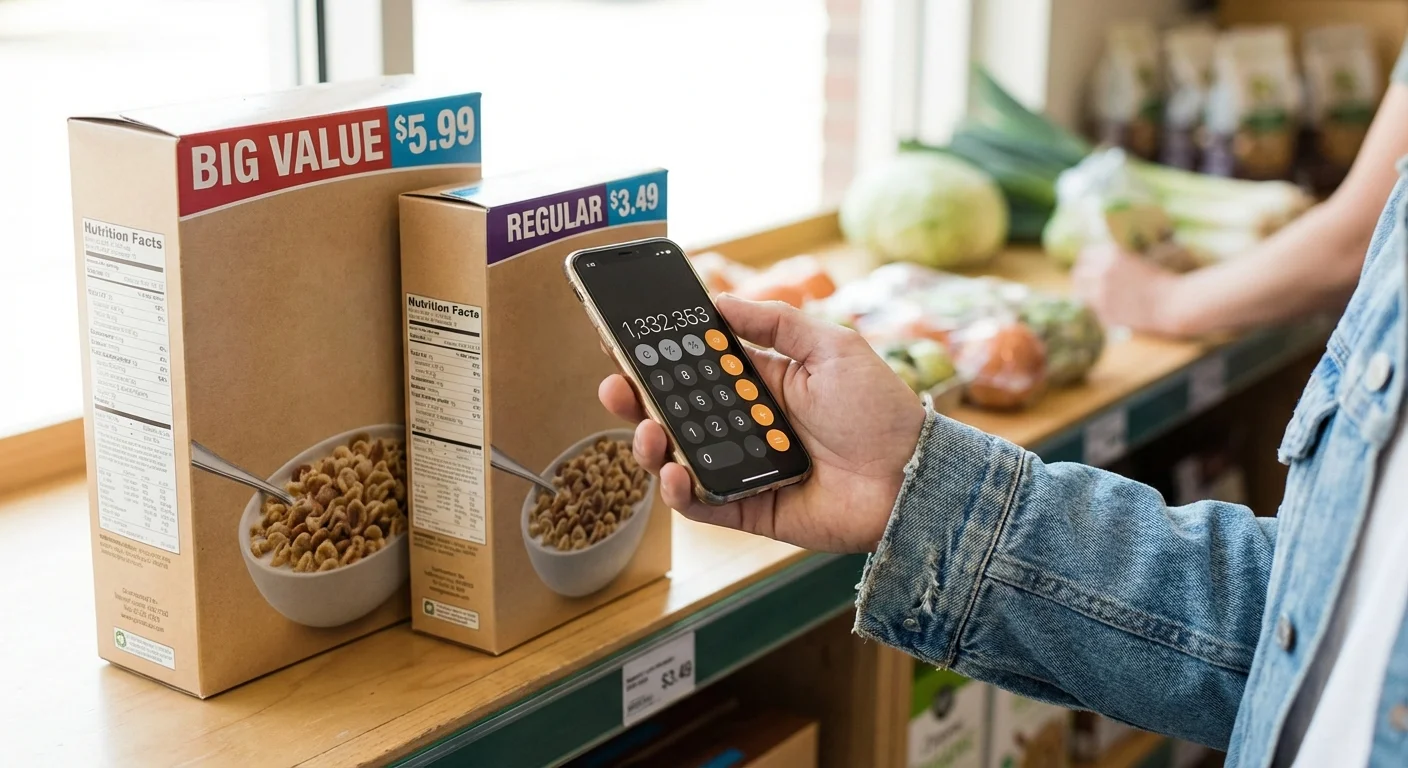
In the past, “extreme couponers” spent dozens of hours weekly organizing binders. Today, the “2.0” version of this practice is streamlined but requires technical literacy. Retailers like Target, Walmart, and Kroger have replaced generic circulars with sophisticated apps that track what you buy, when you buy it, and how much you are willing to pay. This personalization means that two people standing in the same aisle might see different prices for the same box of cereal based on their app activity.
“An investment in knowledge pays the best interest.” — Benjamin Franklin, Historical Polymath and Founding Father
Understanding the “why” behind these apps is the first step toward mastery. Retailers use these platforms to build loyalty and collect “first-party data.” They want to ensure that when you realize you are out of paper towels, you open their app first. In exchange for this loyalty and data, they provide “clipped” coupons, “bonus” points, and exclusive “just for you” pricing. Recognizing this relationship allows you to use the tools effectively without falling victim to the nudge marketing designed to make you overspend.
How Retailer Apps Function: The Mechanics of Savings
Most major retail apps follow a similar structural logic. Once you download the app and create an account—usually linked to your phone number or email—you gain access to several layers of potential savings. The interface typically includes a “coupons” or “offers” section where you must manually “clip” or “plus” an item to add it to your account. This manual action is crucial; if you don’t clip the digital coupon before you reach the register, you will pay full price, even if the offer is active in the app.
In addition to digital coupons, knowing when to choose store brands vs. name brands can significantly lower your total checkout cost.
There are three primary types of digital offers you will encounter:
- Manufacturer Coupons: These are digital versions of the classic coupons found in newspapers. They are funded by the brand (e.g., Procter & Gamble or Kellogg’s) and can usually be used at any store, though in the digital world, they are often “loaded” onto a specific store’s loyalty card.
- Store Coupons: These are discounts offered by the retailer itself (e.g., a Target-specific discount on their “Up & Up” brand). These can often be combined with manufacturer coupons—a process known as “stacking.”
- Category Thresholds: These are high-value offers such as “Spend $50 on household cleaning, get a $15 gift card.” These require careful planning to ensure your cart hits the exact dollar amount needed.
According to the Federal Reserve’s 2023 Report on Economic Well-Being, many households utilize various strategies to manage rising costs, and digital literacy in shopping is becoming a cornerstone of modern domestic finance. By understanding these tiers of discounts, you can move beyond random savings and start planning your purchases around the highest-value opportunities.

Target Circle Hacks: Mastering the Bullseye
Target has one of the most robust digital ecosystems in the retail world. Their “Target Circle” program is the gateway to significant savings, but many shoppers only scratch the surface of its capabilities. To truly master Target Circle, you must look beyond the generic 5% or 10% off offers.
Applying anti-budget principles allows you to spend on what you value while using these hacks to slash costs on household basics.
One of the most powerful Target Circle hacks involves the “For You” personalized offers. The app’s algorithm tracks your frequent purchases. If you consistently buy a specific brand of diapers, the app may stop offering you coupons for them, assuming you will buy them anyway. However, if you “star” items in your favorites or occasionally browse competing brands within the app, you may trigger more aggressive discounts designed to keep you from switching stores. Additionally, Target frequently offers “Bonus” challenges, such as “Make three qualifying purchases of $60 or more to earn $30 in Target Circle Rewards.”
Target Stacking Table:
| Discount Type | How to Apply | Can it be Stacked? |
|---|---|---|
| Target Circle Offer | Clip in App | Yes, with Manufacturer Coupon |
| Target Circle Card (RedCard) | Automatic at Checkout | Yes, applies 5% after all other discounts | Clip in Target App | Yes, with one Circle Offer |
| Target Gift Card Promotion | Automatic when criteria met | Yes, stacks with all of the above |
A specific tactic for Target shoppers is the “Gift Card Loop.” When Target offers a “Spend $100 on baby items, get a $20 gift card” deal, you can use that $20 gift card on your next transaction for groceries or clothing. By separating your shopping into two transactions—one to earn the gift card and one to spend it—you can effectively lower your out-of-pocket costs for the day. This is particularly helpful for those following the advice of experts like NerdWallet, who emphasize the importance of maximizing rewards on unavoidable expenses.

Walmart Savings: Beyond the Low Price Leader
Walmart’s approach to digital savings differs from Target. While Target focuses on coupons and “deals,” Walmart’s app is designed around price transparency and convenience. For a long time, the “Savings Catcher” was the star of the Walmart app, but since its retirement, the focus has shifted to “Walmart Rewards” for Walmart+ members and general app-based price tracking.
If the app price is lower than the shelf, don’t hesitate to negotiate the price with a manager for a price match.
Knowing the best time to buy seasonal items can further enhance the effectiveness of these retail apps.
To maximize Walmart savings, use the app’s scanner while in the store. Often, the price on the shelf may not reflect the latest “Rollback” or a clearance price that has been updated in the system. If the app shows a lower price for “Walmart.com” than what is on the shelf, you can often request a price match at the customer service desk, provided the item is in stock. This ensures you never pay a “brick-and-mortar premium” for the convenience of shopping in person.
Another often overlooked feature is the “Clearance” section within the app. By setting your home store in the app, you can browse local clearance items before you even leave your house. This is particularly effective for seasonal items, electronics, and small appliances. Experts like Ramit Sethi often suggest cutting costs mercilessly on things you don’t care about so you can spend on what you love; using the Walmart app to find “loss leaders” (items sold at a loss to get you into the store) on household basics is a textbook application of this principle.
“Spend extravagantly on the things you love, and cut costs mercilessly on the things you don’t.” — Ramit Sethi, Author of “I Will Teach You To Be Rich”

Grocery Store Loyalty Programs and Digital Clipping
While big-box retailers are popular, the most frequent digital couponing happens at traditional grocery chains like Kroger, Publix, Safeway, and H-E-B. These retailers have largely moved away from “loyalty card” discounts that apply automatically. Now, the “Best Price” or “Member Price” often requires you to “Clip the Digital Coupon” in the app beforehand.
The “Friday Freebie” or “Weekly Digital Deals” are the hallmarks of grocery app mastery. Many chains offer specific items at 50% off or more, but only if you clip the coupon in the app. A common mistake is assuming that scanning your loyalty card at the register is enough. You must proactively browse the “Digital Coupons” section of the app—usually sorted by “Expiring Soon” or “Value”—to ensure the discounts apply. This is where the Federal Trade Commission (FTC) suggests consumers be wary; always ensure the app you are downloading is the official retailer app to protect your personal information.
To stay organized, try this three-step grocery app workflow:
- The Night Before: Open the app and look at the “Weekly Ad.” Most apps allow you to add items directly from the ad to a digital shopping list.
- The Clipping Session: Search for your “must-buy” items (bread, eggs, milk) in the coupon section. Clip everything that applies, even if you aren’t 100% sure you will buy that specific brand. There is no penalty for clipping a coupon you don’t use.
- The Scan: While in the aisles, use the app’s “In-Store” mode to scan items. The app will tell you if a digital coupon is available for that specific size or flavor, preventing the frustration of getting to the register and realizing the coupon was for the 16oz box, not the 12oz box you grabbed.

Stacking Strategies for Maximum Impact
The “pro level” of digital couponing involves “Triple Stacking.” This is when you combine three different layers of savings on a single item. While it sounds complex, it becomes second nature once you understand the components. For example, consider buying a bottle of laundry detergent:
- Layer 1: The Sale. You wait until the store has the detergent on sale (e.g., $10 down from $12).
- Layer 2: The Digital Coupon. You clip a $2 manufacturer coupon inside the store’s app. (Price is now $8).
- Layer 3: The Rebate App. After you buy the item, you upload your receipt to a third-party app like Ibotta or Fetch. They offer a $2 “cash back” reward for that detergent. (Final effective price: $6).
By using this method, you have effectively cut the price in half. Third-party rebate apps are essential tools in the Digital Couponing 2.0 toolkit. They don’t provide discounts at the register; instead, they deposit cash or points into an account that you can later withdraw as a PayPal transfer or gift card. According to the Consumer Financial Protection Bureau (CFPB), managing small streams of income and savings can help build a “buffer” for unexpected expenses, and these rebate balances can serve as a small, separate “fun money” or emergency fund.

The Psychology of Spending and Common Pitfalls
Digital couponing is a double-edged sword. While the tools are designed to save you money, they are also designed to keep you engaged with the store. Retailers use “gamification”—points, streaks, and “limited-time” countdowns—to create a sense of urgency. This can lead to the “Savings Trap,” where you spend money on things you don’t need simply because the discount was too good to pass up.
One common pitfall is the “Threshold Spend.” If an app tells you that spending $10 more will get you a $5 reward, you might go looking for something to buy. If you spend $10 on something unnecessary to “earn” $5, you have actually lost $5 in cash flow. Another risk is the “Stockpile Trap.” Buying five bottles of mustard because they were 75% off only works if you actually use five bottles of mustard before they expire. Otherwise, you’ve tied up capital in a depreciating asset that will eventually end up in the trash.
To avoid these traps, follow the wisdom of Warren Buffett: “Do not save what is left after spending; instead spend what is left after saving.” Apply this to couponing by shopping with a strict list. If an item isn’t on the list, the coupon for it doesn’t exist to you. Use the technology to save on your *needs*, and treat any savings on *wants* as a rare bonus rather than a goal.

Data Privacy and Security in the App Era
When you use a retail app, you are engaging in a value exchange. You get lower prices; the retailer gets your data. They track your location (if enabled), your frequency of visits, and your brand preferences. This information is incredibly valuable for their marketing departments and for third-party advertisers. According to the Federal Trade Commission (FTC), consumers should be mindful of the permissions they grant to mobile apps.
To protect your privacy while still getting the deals, consider these steps:
- Limit Location Access: Set your app permissions to “Only while using the app” rather than “Always.” There is no reason a grocery store needs to know where you are when you’re at the park.
- Use a Secondary Email: Create a dedicated “shopping” email address for all your loyalty programs. This keeps your primary inbox clean and prevents retailers from linking your shopping habits to your professional or personal life.
- Opt-Out of Data Selling: Many apps, especially in states like California with strict privacy laws, allow you to opt-out of the “sale” of your personal information in the settings menu. It takes two minutes to check and can significantly reduce the amount of targeted advertising you receive.

When to Consult a Financial Professional
While mastering digital coupons can save you hundreds or even thousands of dollars a year, it is only one piece of the personal finance puzzle. DIY strategies have limits, especially when your financial life becomes more complex. You should consider consulting a professional in the following scenarios:
- Debt Overload: If you are using coupons but still can’t meet your minimum debt payments, a non-profit credit counselor can help you create a debt management plan. Visit the National Foundation for Credit Counseling (NFCC) to find a reputable counselor.
- Major Life Transitions: If you are planning for a baby, buying a home, or nearing retirement, a Certified Financial Planner (CFP) can help you look at the “big picture” beyond weekly grocery savings. You can find a professional via the CFP Board.
- Tax Complexity: If your “side hustles” or investment income make your tax situation confusing, a CPA can ensure you aren’t missing out on larger savings than any coupon could provide.
- Persistent Budgeting Issues: If you “know” what to do but can’t seem to stay on track, a financial coach can provide the accountability and psychological tools to change your relationship with money.
Frequently Asked Questions
Is it worth the time to use these apps?
For the average shopper, spending 10-15 minutes a week can yield $20-$50 in savings. If you view this as an hourly rate, you are “earning” $80-$200 an hour. It is one of the highest-return activities you can do with your smartphone.
Can I use digital coupons and paper coupons together?
Generally, no. Most retailers have a “one manufacturer coupon per item” rule. If you have a paper coupon and a digital coupon for the same box of cereal, the system will usually only apply one. However, you *can* often stack a store coupon (like Target Circle) with a manufacturer coupon (paper or digital).
Do digital coupons expire?
Yes, and they often expire faster than paper coupons. Always check the “Expiring Soon” tab in your app. Some high-value digital coupons may also have a “total clip limit,” meaning once a certain number of people nationwide clip them, they disappear from the app.
Why didn’t my coupon work at the register?
The most common reasons are: the item was the wrong size/flavor, the coupon hadn’t finished “syncing” to your account (give it 5-10 minutes after clipping), or you didn’t meet the “buy two” or “spend $10” requirement. Always double-check the fine print in the app.
What are the risks or limitations?
The primary risks include data privacy concerns and the psychological “nudge” to overspend. Additionally, some digital-only deals exclude people without smartphones or reliable internet access, which is a significant limitation for some populations.
When should I consult a professional about this?
Consult a professional if you find that your focus on small-scale savings (like coupons) is a distraction from addressing larger financial issues, such as a lack of an emergency fund, high-interest credit card debt, or inadequate retirement savings.
Are rebate apps safe to link to my bank account?
Most major apps like Ibotta use secure, encrypted third-party services. However, if you are uncomfortable linking a bank account, most offer the option to receive payment via gift cards (Amazon, Starbucks, etc.), which adds a layer of separation between the app and your banking credentials.
Does using these apps affect my credit score?
No, using retail apps or digital coupons has no impact on your credit score. The only exception would be if you sign up for a store credit card (like the Target Circle Card) to get extra discounts, as that involves a hard credit inquiry.
Last updated: January 2026. Information accurate as of publication date. Financial regulations, rates, and programs change frequently—verify current details with official sources.
This article was reviewed for accuracy by our editorial team.
For trusted financial guidance, visit
National Foundation for Credit Counseling (NFCC),
FINRA Investor Education,
Certified Financial Planner Board,
National Endowment for Financial Education (NEFE) and
NerdWallet.
Educational Content Notice: This article provides general financial education and information only. It is not personalized financial, tax, investment, or legal advice. Your financial situation is unique—what works for others may not work for you. Before making significant financial decisions, consider consulting with a qualified professional such as a Certified Financial Planner (CFP), CPA, or licensed financial advisor.
Important: EasyMoneyPlace.com provides educational content only. We are not licensed financial advisors, tax professionals, or registered investment advisers. This content does not constitute personalized financial, tax, or legal advice. Laws, tax codes, interest rates, and financial regulations change frequently—always verify current information with official government sources like the IRS, CFPB, or SEC.
No Guaranteed Results: Financial outcomes depend on individual circumstances, market conditions, and factors beyond anyone’s control. Past performance, general strategies, and examples discussed in this article do not guarantee future results. Any financial projections or examples are for illustrative purposes only.
Get Professional Help: For personalized financial advice, consult a Certified Financial Planner (CFP). For tax questions, consult a CPA or enrolled agent. For those experiencing financial hardship, free counseling is available through the National Foundation for Credit Counseling.









Leave a Reply