
The landscape of the American economy is shifting rapidly as artificial intelligence moves from a futuristic concept to a practical tool for everyday workers. For many, the rising cost of living has made a secondary income stream less of a luxury and more of a necessity. According to the Federal Reserve’s 2023 Report on the Economic Well-Being of U.S. Households, roughly one-third of adults performed gig work to supplement their primary income. In 2025, AI technologies have significantly lowered the barrier to entry for many of these side hustles, allowing you to launch a micro-business without any upfront capital. This guide explores how you can leverage free AI tools to build sustainable, part-time income streams while managing your financial future responsibly.
Even if you are not tech-savvy, you can find various ways to make money online without any special skills while you learn to master these AI tools.
This educational guide provides general information for U.S. residents learning about AI-powered side hustles and financial management. The strategies and concepts discussed here are for educational purposes and may not apply to your specific situation. Everyone’s financial circumstances are unique—factors like income, debt levels, family situation, tax bracket, and financial goals all affect which approaches might work best. For personalized advice tailored to your situation, we recommend consulting with a qualified financial professional such as a Certified Financial Planner (CFP) or CPA.

Key Takeaways
- Zero-Cost Entry: You can start several AI-based businesses in 2025 using the free tiers of platforms like ChatGPT, Claude, and Canva.
- Skill Augmentation: AI does not replace your expertise; it speeds up the “heavy lifting” of drafting, researching, and organizing.
- Tax Preparedness: Every dollar earned through a side hustle is taxable income, requiring you to set aside roughly 25-30% for federal and state obligations.
- Market Demand: High-demand areas include AI-assisted content editing, presentation design, and micro-niche SEO management.
- Quality Control: Human oversight remains the most valuable part of the process—AI provides the draft, but you provide the accuracy and “voice.”

Understanding the AI Side Hustle Economy
In the past, starting a side business often required a specialized degree or expensive software. Today, generative AI tools act as a “force multiplier,” allowing one person to perform tasks that used to require a small team. However, you must view these tools as assistants rather than automated money-makers. The Bureau of Labor Statistics indicates that the gig economy continues to grow, but successful participants are those who offer high-quality, reliable services rather than “get rich quick” schemes.
To succeed in 2025, you should focus on the “human-in-the-loop” model. This means you use AI to create a baseline—a draft, a design, or a list of ideas—and then use your unique human perspective to refine, fact-check, and personalize the output for a client. This approach protects you from the common pitfall of producing generic, low-value work that fails to attract paying customers.
“The single most important factor in getting rich is getting started, not being the smartest person in the room.” — Ramit Sethi, Author of “I Will Teach You To Be Rich”

1. AI-Assisted Content Editing and Proofreading
While many companies use AI to generate text, they often struggle with the “robotic” tone and factual inaccuracies that these tools produce. This has created a massive demand for AI editors. As an editor, you use tools like ChatGPT or Grammarly to identify grammatical errors, but your primary value lies in adding human nuance, checking facts, and ensuring the brand’s voice remains authentic.
How to Start for Free:
- Create a profile on freelance marketplaces like Upwork or Fiverr.
- Use the free version of Claude or ChatGPT to help you analyze long documents for structural weaknesses.
- Market yourself specifically as an “AI Content Refiner” or “Human-in-the-Loop Editor.”
Clients are willing to pay for the peace of mind that their content won’t be flagged as purely AI-generated or contain embarrassing errors. By specializing in a specific industry, such as legal or medical editing (where accuracy is paramount), you can often command higher rates.

2. AI-Powered Presentation and Slide Deck Design
Small business owners and corporate professionals often have the data they need but lack the time to create visually appealing presentations. AI tools like Gamma, Tome, or the “Magic Design” feature in Canva (which offers a robust free tier) can turn a text outline into a professional slide deck in minutes.
Before you begin quoting rates, it is essential to learn how to price your side hustle services to ensure you are being paid fairly for your speed and expertise.
Actionable Steps:
- Collect raw data or notes from your client.
- Use an AI tool to generate a logical slide structure and initial layout.
- Manually adjust the branding, colors, and imagery to ensure a polished finish.
Typical earnings for this hustle range from $50 to $200 per presentation, depending on the complexity. Because the AI handles the layout, you can complete a project in an hour that used to take five, significantly increasing your hourly “effective” wage.

3. Micro-Niche SEO and Blogging Services
Search Engine Optimization (SEO) is the practice of making websites appear higher in search results. AI is exceptionally good at keyword research and generating metadata. You can offer services to local businesses—like plumbers, florists, or dry cleaners—who need a web presence but don’t know how to write blog posts that attract local customers.
The Strategy:
- Use free SEO tools and AI to identify “low-competition” keywords in a specific city (e.g., “best organic florist in Austin”).
- Use AI to draft 500-word educational articles about those topics.
- Charge a monthly retainer to manage a business’s blog, providing 2-4 posts per month.
According to research from the Consumer Financial Protection Bureau (CFPB), local economic health is often tied to the digital visibility of small businesses. By helping these businesses grow, you create a stable, recurring income stream for yourself.

4. AI Social Media Management and Visual Design
Consistency is the biggest challenge for social media growth. AI tools can now generate content calendars, write captions, and even suggest hashtags based on current trends. For visuals, tools like Adobe Firefly or Canva’s AI image generators allow you to create custom graphics without being a professional graphic designer.
Managing multiple clients can be time-consuming, so make sure you have a plan for how to balance a side hustle with a full-time job without compromising your performance at your 9-to-5.
Daily Workflow Example:
| Task | AI Tool Usage | Human Value Added |
|---|---|---|
| Caption Writing | Generate 5 variations of a post | Selecting the one that fits the brand voice |
| Image Creation | Generate background/elements | Adding client logo and specific text |
| Scheduling | Optimizing post times | Engaging with comments and followers |
Managing three small business accounts at $300 each per month can generate $900 in side income with a relatively low time commitment if you use AI to streamline the creative process.

5. AI-Enhanced Translation and Localization
Machine translation has improved, but it still fails at “localization”—the process of making a translation feel natural to a specific culture or region. If you are bilingual, you can use AI to do the bulk translation and then charge for “human localization” services.
Why this works: Businesses expanding into new markets need their websites, manuals, and ads to sound native. A direct AI translation might use the wrong slang or a tone that feels offensive. You provide the cultural expertise that the AI lacks. This is particularly valuable for reaching the diverse demographic segments within the United States.

6. AI Prompt Engineering for Small Businesses
Many business owners want to use AI but find the results frustrating. “Prompt engineering” is the art of writing specific instructions for an AI to get the best possible result. You can sell “Prompt Packs” or offer consulting to help a business owner set up their own AI workflows.
If prompt engineering feels too technical, there are plenty of other legitimate side hustles you can start this weekend that focus on physical services or creative hobbies.
Example Project:
A real estate agent wants to use AI to write property descriptions. You develop a “Master Prompt” that asks the AI for the square footage, neighborhood highlights, and recent upgrades, then outputs three different versions: one professional, one poetic, and one bulleted list for Zillow. You charge a one-time fee for setting up this system.

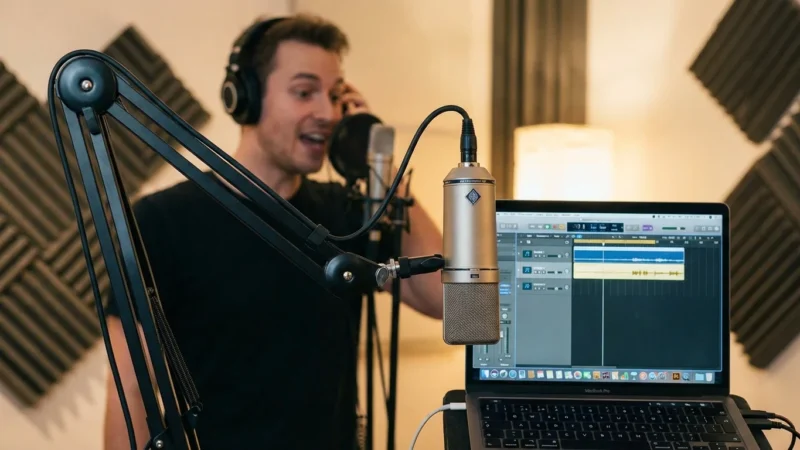
7. AI Audio Transcription and Voiceover Services
Podcasters and YouTubers need their content transcribed for SEO and accessibility. While automated tools exist, they often struggle with technical jargon or heavy accents. Furthermore, AI voiceover technology (using free tiers of tools like ElevenLabs) allows you to offer “voice doubling” or narrations for small businesses that need a professional-sounding ad but can’t afford a recording studio.

Managing the Financial Side: Taxes and Expenses
Starting a side hustle for “free” refers to the initial capital, but running a business always involves financial responsibilities. Many new entrepreneurs are surprised by the tax bill at the end of the year. According to the Internal Revenue Service (IRS), you are generally required to pay self-employment tax if your net earnings from self-employment were $400 or more.
To stay organized, you should follow these steps:
- Separate Your Finances: Open a dedicated checking account for your side hustle. This makes it much easier to track income and deductible expenses.
- The 30% Rule: Whenever a client pays you, immediately move 30% of that money into a high-yield savings account. This covers your federal and state income taxes plus the employer/employee portions of Social Security and Medicare.
- Track Deductions: Even if you use free AI tools, you may have other deductible expenses, such as a portion of your internet bill or a dedicated home office space. Refer to IRS Publication 535 for business expense guidelines.
- Quarterly Payments: If you expect to owe more than $1,000 in taxes, the IRS typically requires you to make estimated tax payments four times a year.
“An investment in knowledge pays the best interest.” — Benjamin Franklin

Common Pitfalls and How to Avoid Them
The “AI gold rush” comes with significant risks. Understanding these can prevent financial and legal headaches down the road.
- Plagiarism and Copyright: Current U.S. law regarding AI-generated content is evolving. Generally, you cannot copyright work created entirely by AI. Always add significant human creativity to ensure the work can be protected for your clients.
- Hallucinations: AI frequently “hallucinates” or invents facts that sound plausible. If you provide a blog post to a client that contains false information, you could be liable for damages or lose your reputation. Never deliver work without fact-checking every claim.
- Scope Creep: Because AI makes tasks faster, clients may expect more work for less money. Clearly define your “deliverables” in a simple contract or agreement before starting.
- Tool Dependence: If a free tool suddenly starts charging a high monthly fee, your profit margins could disappear. Always have a “Plan B” or multiple tools in your repertoire.

When to Consult a Financial Professional
While DIY side hustles are a great way to learn, certain milestones require expert guidance to protect your assets and ensure compliance with the law.
- When you earn over $10,000: If your side hustle grows, a CPA can help you determine if you should form an LLC or S-Corp for better tax treatment.
- When you have complex tax situations: If you have a full-time job, a side hustle, and investments, your tax bracket may shift significantly.
- When you want to hire help: Moving from a “solopreneur” to an employer involves payroll taxes and legal requirements.
- When you need to protect intellectual property: If you’ve developed a unique AI workflow or tool, consult an attorney to discuss trademarks or patents.
You can find qualified professionals through the Certified Financial Planner Board or the National Foundation for Credit Counseling if you are balancing side hustle growth with debt management.
Frequently Asked Questions
Is it really possible to start an AI side hustle for $0?
Yes. Many leading AI platforms offer “freemium” models. You can use ChatGPT (OpenAI), Claude (Anthropic), and Canva for free. Your primary “cost” is the time you spend learning how to use these tools effectively. However, as your business grows, you may choose to upgrade to paid tiers for faster processing or more advanced features.
Do I need to be a “tech person” to do this?
No. Modern AI tools use “natural language processing,” which means you interact with them just like you would a human colleague. If you can write an email or a detailed set of instructions, you have the basic skills needed to use AI. The most important skill is “critical thinking”—knowing when the AI is wrong and how to fix it.
When should I consult a professional about my side hustle?
You should consult a tax professional as soon as you start earning consistent income, ideally before your first tax filing season. You should also seek a professional if you plan to scale your business, hire employees, or if your side hustle income starts to rival your primary salary.
What are the risks or limitations of using AI for work?
The biggest risks include inaccuracies (hallucinations), potential copyright issues, and the risk of the tool’s terms of service changing. Additionally, if you rely too heavily on AI without adding your own value, you may find yourself replaced by lower-cost competitors or by clients who decide to use the AI themselves.
How do I know how much to charge for AI-assisted services?
Research the market rate for the “human” version of the service. For example, if a standard blog post costs $100, you might charge $70. Even though you are using AI to work faster, do not “race to the bottom” on price. You are charging for the final result and your expertise in ensuring that result is high-quality.
Is AI-generated content legal for commercial use?
Generally, yes, but you must read the Terms of Service for each specific tool. Most major tools allow commercial use for their output, but remember that you likely cannot claim a copyright on the AI-generated portions. This is why adding your own creative “human” elements is essential for building a valuable business.
How much time do these side hustles actually take?
Most beginners spend 5-10 hours per week on their side hustles. Because AI automates the most time-consuming parts of the work, you can often accomplish in 1 hour what used to take 3 or 4. However, you must still allocate time for marketing your services and communicating with clients.
Can I lose money on a “free” side hustle?
While you might not lose capital, you can lose “opportunity cost” (the time you could have spent elsewhere). You also risk financial loss if you fail to set aside money for taxes, leading to penalties and interest from the IRS. Always treat your side hustle as a real business from day one.
Last updated: January 2026. Information accurate as of publication date. Financial regulations, rates, and programs change frequently—verify current details with official sources.
This article was reviewed for accuracy by our editorial team.
For trusted financial guidance, visit
Kiplinger,
Forbes Advisor,
Money.com,
Consumer Financial Protection Bureau (CFPB) and
Internal Revenue Service (IRS).
Educational Content Notice: This article provides general financial education and information only. It is not personalized financial, tax, investment, or legal advice. Your financial situation is unique—what works for others may not work for you. Before making significant financial decisions, consider consulting with a qualified professional such as a Certified Financial Planner (CFP), CPA, or licensed financial advisor.
Important: EasyMoneyPlace.com provides educational content only. We are not licensed financial advisors, tax professionals, or registered investment advisers. This content does not constitute personalized financial, tax, or legal advice. Laws, tax codes, interest rates, and financial regulations change frequently—always verify current information with official government sources like the IRS, CFPB, or SEC.
No Guaranteed Results: Financial outcomes depend on individual circumstances, market conditions, and factors beyond anyone’s control. Past performance, general strategies, and examples discussed in this article do not guarantee future results. Any financial projections or examples are for illustrative purposes only.
Get Professional Help: For personalized financial advice, consult a Certified Financial Planner (CFP). For tax questions, consult a CPA or enrolled agent. For those experiencing financial hardship, free counseling is available through the National Foundation for Credit Counseling.








Leave a Reply