
Managing a food budget while maintaining a healthy lifestyle often feels like a balancing act, especially for those living on a single income. Grocery prices continue to fluctuate, and for many Americans, the cost of food represents one of the largest monthly expenses after housing. This educational guide provides general information for U.S. residents learning about grocery budgeting and meal prep strategies. The strategies and concepts discussed here are for educational purposes and may not apply to your specific situation. Everyone’s financial circumstances are unique—factors like income, debt levels, family situation, tax bracket, and financial goals all affect which approaches might work best. For personalized advice tailored to your situation, we recommend consulting with a qualified financial professional such as a Certified Financial Planner (CFP) or CPA.
Key Takeaways
- Budget Precision: A $50 weekly budget requires a “base ingredient” strategy where you buy versatile staples in bulk.
- Unit Pricing: Success depends on comparing the price per ounce rather than the total sticker price to ensure you get the most value.
- Strategic Rotation: You can avoid meal fatigue by using different spices and cooking methods on the same primary proteins.
- Waste Reduction: Minimizing food waste serves as an immediate “pay raise,” as the average American tosses significant portions of their grocery spend.
- Financial Compounding: Saving even $100 a month on groceries and redirecting it toward debt or savings can significantly alter your long-term financial trajectory.
The Economics of Grocery Budgeting for Singles
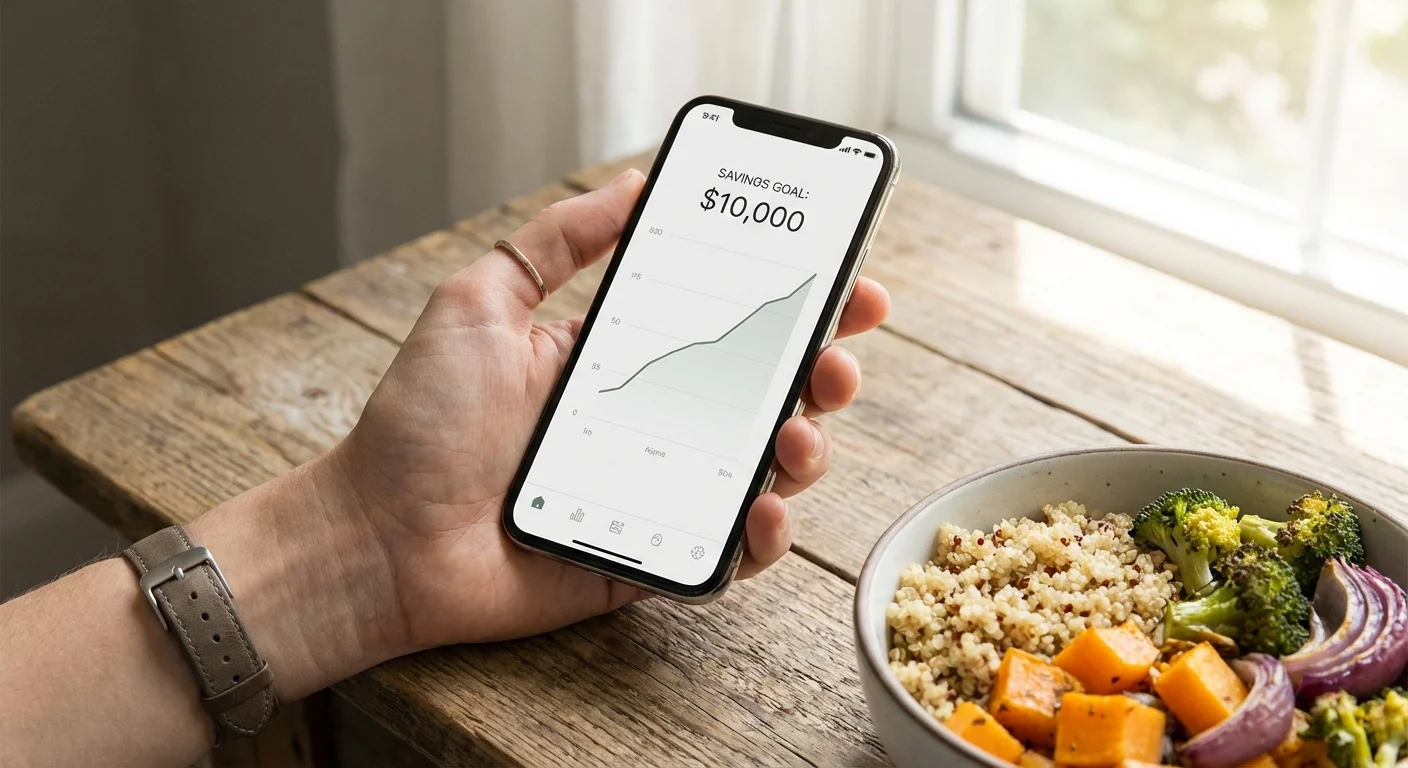
Budgeting for one person presents unique challenges. While you have total control over your choices, you lack the “economies of scale” that families enjoy when buying massive bulk quantities. According to the Bureau of Labor Statistics 2023 Consumer Expenditure Survey, food is the third-largest expense for the average U.S. household, trailing only housing and transportation. For a single person, the cost per meal can skyrocket if you rely on pre-packaged “single-serve” items or frequent takeout.
When you commit to a $50 weekly grocery budget, you are effectively allocating roughly $2.38 per meal across 21 meals in a week. This requires a shift in mindset. You are no longer just buying “food”; you are purchasing “fuel units” that you must maximize through preparation and planning. Data from the Federal Reserve’s 2024 Report on the Economic Well-Being of U.S. Households indicates that many adults still find it difficult to manage unexpected expenses. By tightening your grocery budget, you create the margin necessary to build an emergency fund or pay down high-interest debt.
“The key to financial freedom is simple: spend less than you make.” — Jean Chatzky, Financial Editor and Author
To succeed at this level, you must distinguish between “needs” and “wants.” A $50 budget prioritizes high-nutrition, low-cost staples like beans, rice, eggs, and seasonal vegetables. It leaves little room for brand-name sodas, expensive cuts of steak, or organic produce unless those items are on deep discount. Understanding this trade-off is the first step in mastering your personal cash flow.
The Master $50 Grocery List
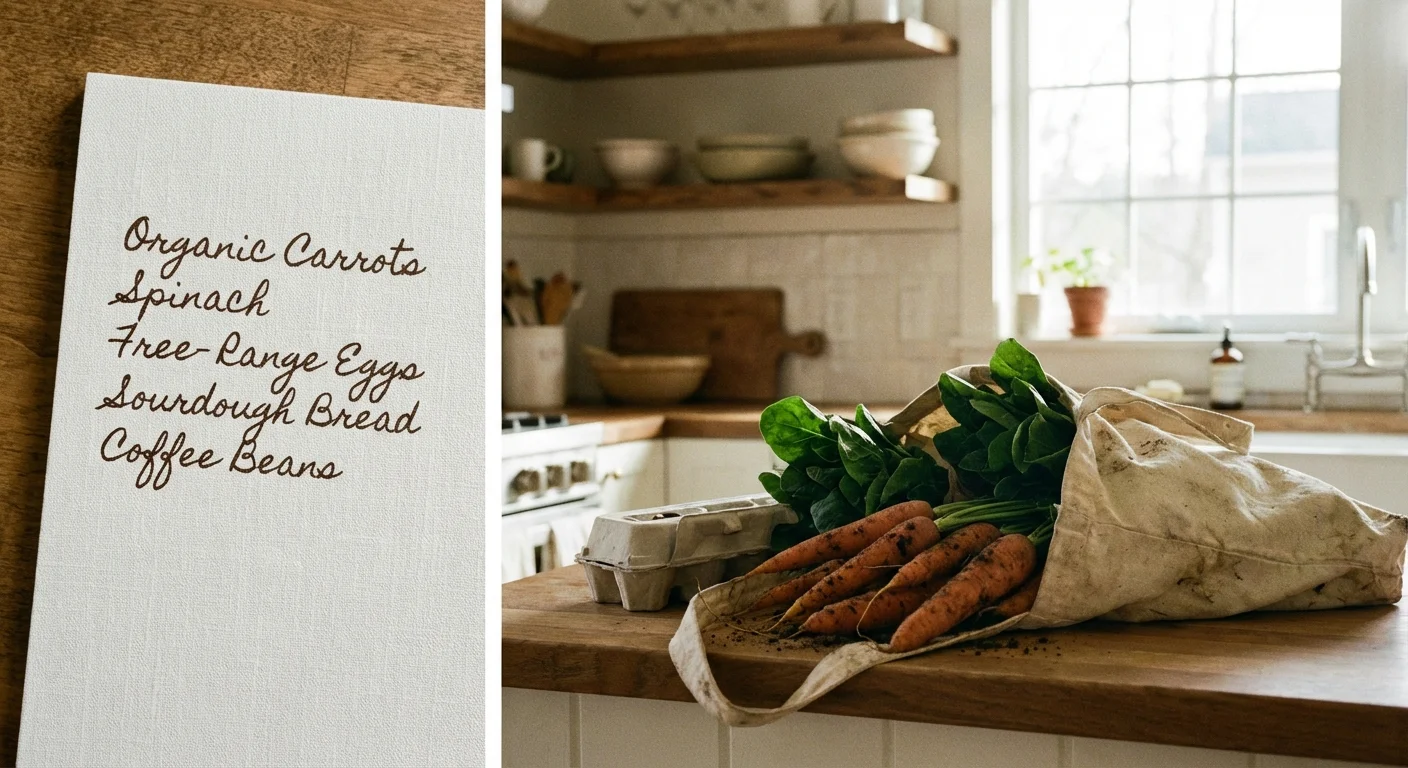
The following list assumes you have basic pantry staples like salt, pepper, and a small amount of cooking oil. If you are starting from a completely empty kitchen, your first week might cost slightly more as you acquire these basics. This list focuses on high-protein, high-fiber items that keep you full longer, which prevents the “snack attacks” that often break a budget.
| Category | Item | Estimated Price | Purpose/Meals |
|---|---|---|---|
| Proteins | Chicken Thighs (3 lbs, Bone-in/Skin-on) | $9.00 | Roasted chicken, shredded chicken tacos, stir-fry |
| Proteins | Large Eggs (18 count) | $4.50 | Breakfast, hard-boiled snacks, fried rice |
| Proteins | Dry Black Beans or Lentils (1 lb) | $1.50 | Soup, burrito bowls, side dishes |
| Grains | White or Brown Rice (5 lb bag) | $4.00 | The base for 60% of meals |
| Grains | Old Fashioned Oats (Large container) | $4.00 | Breakfast (oatmeal), homemade granola bars |
| Produce | Bananas (1 bunch) | $2.00 | Daily breakfast fruit or snacks |
| Produce | Yellow Onions (3 lb bag) | $2.50 | Flavor base for almost every cooked dish |
| Produce | Frozen Mixed Vegetables (2 bags) | $3.00 | Steam as sides, add to rice or eggs |
| Produce | Potatoes (5 lb bag) | $4.50 | Roasted, mashed, or breakfast hash |
| Produce | Fresh Spinach or Kale (Large bag) | $3.50 | Salads, omelets, or wilted in pasta/rice |
| Dairy/Misc | Greek Yogurt (Large Tub, Plain) | $5.00 | Breakfast, sour cream substitute, smoothies |
| Dairy/Misc | Generic Peanut Butter (16 oz) | $2.50 | Protein snacks, oatmeal topping, sauces |
| Dairy/Misc | Canned Diced Tomatoes (2 cans) | $2.00 | Sauces, chili, or bean stews |
| Pantry | 1 Weekly “Wildcard” (Spice or Condiment) | $2.00 | Slowly building flavor profile over time |
| TOTAL ESTIMATED COST | $50.00 | ||
Note: Prices vary significantly by region and the specific grocery store you choose. Discount retailers like Aldi, Lidl, or local ethnic markets often provide the best value for these staples. If your local prices are higher, you may need to swap the chicken for more beans or eggs to stay under the $50 limit.

Strategic Shopping Habits for Maximum Value
To keep your spending at $50, you must shop with intention. Impulse buys are the primary enemy of a frugal budget. Research published by the CFPB in their 2023 Consumer Credit Report suggests that consistent small-dollar savings can significantly impact a person’s ability to avoid high-cost debt during financial shocks. Applying that logic to your grocery cart involves three specific habits.
First, always check the “unit price” on the shelf tag. Stores often place larger “value” packs next to smaller ones, but the larger pack isn’t always cheaper per ounce. For example, a 5-pound bag of rice might cost $4 ($0.80 per pound), while a 1-pound bag costs $1.50 ($1.50 per pound). By choosing the larger bag, you save nearly 50% per serving, even if the total checkout price is slightly higher that day.
Second, embrace store brands (generics). In most cases, the ingredients in store-brand oats, beans, and canned tomatoes are identical to the national brands. The primary difference is the marketing budget. Switching to generics can save you 20% to 30% on your total bill without sacrificing nutrition. According to the Federal Trade Commission (FTC), competition between brands often benefits consumers, and utilizing store brands is a direct way to take advantage of that competition.
Third, shop the “perimeter” of the store. This is where you find fresh produce, meats, and dairy. The middle aisles typically contain processed, packaged goods that carry higher price tags and lower nutritional value. By focusing on whole ingredients that require a little preparation, you get more volume for your money. A bag of potatoes provides many more meals than a bag of potato chips for roughly the same price.

The Base Ingredient Philosophy
The “Base Ingredient” philosophy is the secret to surviving a $50 budget without getting bored. Instead of buying ingredients for seven different recipes, you buy three “bases” and change their flavor profiles. For a single person, this also prevents waste because you are actually using the entire bag of spinach or the whole container of yogurt before it spoils.
Consider the humble chicken thigh. You can roast four of them on Sunday with salt and pepper.
- Monday: Eat one whole with a side of roasted potatoes and spinach.
- Tuesday: Shred the meat from the second thigh and mix it with black beans and rice for a burrito bowl.
- Wednesday: Chop the third thigh and toss it into a “fried rice” with eggs and frozen vegetables.
- Thursday: Use the final thigh in a cold chicken salad with Greek yogurt and onions.
This approach minimizes your time in the kitchen while maximizing your variety. You aren’t “eating leftovers”; you are “reimagining ingredients.” This strategy aligns with the core principles of financial efficiency: reducing waste and maximizing the utility of every dollar spent. As you gain confidence, you can expand this to other bases like lentils, which can serve as a soup one day and a taco filling the next.
Sample Weekly Meal Plan on $50
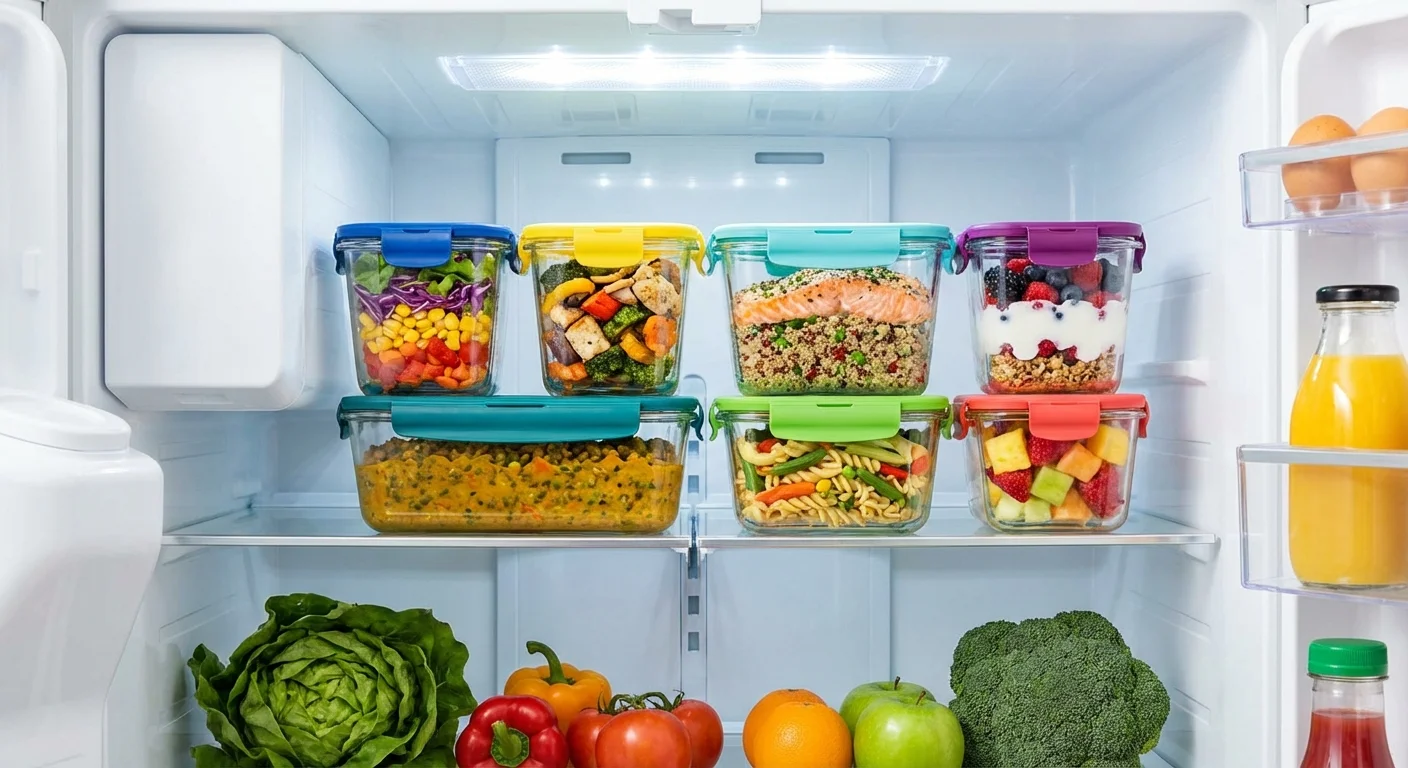
Preparation is the bridge between a grocery list and actually eating well. Without a plan, those raw ingredients will sit in your fridge until they rot, which is essentially throwing money into the trash. According to the Bureau of Labor Statistics, the cost of “food away from home” (restaurants) has historically risen faster than “food at home,” making this plan even more critical for your financial health.
Breakfasts:
Rotate between two main options.
1. Overnight oats made with Greek yogurt, water (or a splash of milk if you have it), and half a banana.
2. A two-egg scramble with sautéed onions and spinach, served with a side of roasted potatoes.
Lunches:
Focus on “Cold Prep” that doesn’t require a microwave if you are on the go.
1. Lentil and rice salad with diced onions, canned tomatoes, and a dollop of Greek yogurt.
2. Peanut butter and sliced banana sandwiches (if you have bread) or peanut butter stirred into oatmeal for a high-protein mid-day meal.
Dinners:
1. The Power Bowl: A base of rice, topped with black beans, roasted chicken, and steamed frozen vegetables.
2. Potato Hash: Diced potatoes pan-fried with onions, frozen peas, and a fried egg on top.
3. One-Pot Stew: Canned tomatoes, lentils, onions, and whatever vegetables are left in the freezer, simmered together and served over rice.
Snacks:
Hard-boiled eggs, a spoonful of peanut butter, or the remaining bananas provide quick energy between meals. By sticking to this structure, you ensure that every item on your $50 list has a specific destination.

Cooking Techniques for Efficiency and Flavor
Living on a budget doesn’t mean eating bland food. Mastering a few simple techniques can turn a $0.50 serving of rice and beans into a meal you actually look forward to. Many people fail at meal prepping because they cook everything the same way—usually boiling or steaming—which leads to “mushy” textures and flavor fatigue.
Roasting for Texture: Instead of boiling your potatoes or chicken, roast them at 400°F (200°C). The high heat creates a “Maillard reaction,” which is the browning that adds deep, savory flavor. Even frozen vegetables take on a better texture when roasted with a tiny bit of oil rather than being microwaved in the bag.
The Power of Aromatics: Onions and garlic (if you can afford it) are the cheapest ways to add massive flavor. Always sauté your onions until they are translucent or slightly brown before adding your beans or rice to the pot. This creates a base layer of flavor that carries through the entire dish. If you bought a “wildcard” spice like cumin or chili powder, add it to the oil and onions for 30 seconds before adding liquids to “bloom” the spice and release its oils.
Acid and Salt: If a meal tastes “flat,” it usually needs acid, not just more salt. While lemons can be pricey, a small bottle of generic white vinegar or apple cider vinegar lasts for months. A tiny splash of vinegar at the end of cooking beans or soup can brighten the entire dish. Learning these “chef secrets” allows you to eat like a king on a pauper’s budget.
Common Pitfalls to Avoid
Even with the best intentions, several traps can derail your $50-a-week goal. Awareness of these pitfalls is essential for long-term success. One of the most common mistakes is “aspiration shopping”—buying a lot of fresh produce that you *hope* to eat, only to have it wilt in the crisper drawer. If you are new to meal prepping, start with more frozen vegetables. They are frozen at peak ripeness, often cheaper, and won’t go bad if you have a busy week and can’t cook.
Another pitfall is the “convenience tax.” Pre-cut onions, bagged salads, and individual oatmeal packets can cost three to four times more than the whole versions. You are paying the store for labor that you could easily do yourself in five minutes. When money is tight, you must trade your time for savings. According to the Consumer Financial Protection Bureau (CFPB), managing small, recurring expenses is a hallmark of financial wellness.
Finally, watch out for “boredom spending.” After four days of rice and beans, the temptation to order a $25 pizza is high. To combat this, ensure you vary your textures (crunchy roasted potatoes vs. soft beans) and use your “wildcard” budget item to buy a sauce or spice that changes the vibe of your meals. Remember, one night of takeout can consume 50% of your entire weekly budget. If you feel the urge to spend, remind yourself of your larger financial goals.
“Beware of little expenses; a small leak will sink a great ship.” — Benjamin Franklin, Statesman and Polymath

The Long-Term Financial Impact of Frugal Eating
Why put yourself through the effort of a $50 weekly grocery limit? The answer lies in the math of opportunity cost. If the average single person spends $400 a month on groceries and dining out, and you reduce that to $200 through strategic meal prepping, you “find” $2,400 per year. For someone struggling with high-interest credit card debt, that $200 monthly payment can save thousands in interest over time.
If you invest that $200 a month in a retirement account with an average 7% annual return, after 30 years, that “grocery money” could grow to over $240,000. While this is a simplified example and market returns are never guaranteed, it illustrates the power of small, consistent financial choices. Controlling your food costs is one of the few areas of your budget—unlike rent or insurance—where you have immediate, daily control. Data from the Federal Reserve consistently shows that those who automate savings and control discretionary spending are better equipped to handle economic downturns.
By mastering the $50 grocery list, you aren’t just learning to cook; you are building the discipline required for all other aspects of financial management. The patience required to prep meals instead of ordering takeout is the same patience required to wait for an investment to grow or for a debt to be paid off. Celebrate the small wins, like a perfectly cooked batch of lentils or a week where you didn’t throw away any food. These are the building blocks of wealth.

When to Consult a Financial Professional
While learning to meal prep is a fantastic DIY financial skill, it is only one piece of the puzzle. There are times when budgeting alone isn’t enough to solve a financial crisis. You should consider seeking professional guidance in the following scenarios:
- Severe Debt Stress: If you are cutting your food budget to the bone but still cannot make the minimum payments on your debts, you may need a credit counselor. The National Foundation for Credit Counseling (NFCC) provides non-profit resources for those in hardship.
- Complex Tax Situations: If you are a 1099 contractor or side hustler, how you track and deduct expenses can be complicated. A CPA can help ensure you aren’t overpaying the IRS.
- Long-Term Wealth Strategy: Once you have stabilized your budget and built an emergency fund, a Certified Financial Planner (CFP) can help you allocate your savings into the right investment vehicles based on your risk tolerance and age.
- Major Life Transitions: If you are planning for a wedding, buying a home, or preparing for retirement, professional advice can help you navigate the tax and legal implications of these milestones.
DIY approaches like meal prepping are powerful for daily management, but they have limits. A professional can provide a “bird’s-eye view” of your finances that is difficult to see when you are focused on the weekly grocery bill.
Frequently Asked Questions
Is a $50 weekly budget realistic with current inflation?
It is tight, but possible for a single person if you shop at discount grocers and stick to whole food staples. It requires avoiding pre-made meals and expensive proteins. In high-cost-of-living areas, you might need to adjust this to $60 or $65 to achieve the same nutritional profile.
What are the risks or limitations of this meal prep strategy?
The primary risk is nutritional imbalance if you only eat one type of food. It’s important to rotate your vegetables and protein sources over different weeks. Additionally, “prep fatigue” can lead to a total abandonment of the budget. To mitigate this, allow yourself one small “treat” item each week to keep the process sustainable.
How do I handle eating out with friends while on this budget?
The $50 budget usually doesn’t include a “social fund.” You have two choices: either subtract the cost of the meal from your $50 (meaning you eat very cheaply for the rest of the week) or create a separate “Social” category in your overall monthly budget. Transparency with friends about your financial goals can also help; they might be happy to do a potluck instead of going to a restaurant.
Can I meal prep if I don’t have a lot of kitchen equipment?
Yes. You really only need one large pot, one baking sheet, and a decent knife. Many “one-pot” meals like stews and rice dishes require very little specialized gear. You can find high-quality used kitchenware at thrift stores to keep your start-up costs low.
When should I consult a professional about my grocery spending?
You generally don’t need a professional for grocery shopping specifically. However, if your food spending is a symptom of deeper emotional spending or if you are using credit cards to buy groceries and can’t pay them off, consulting a credit counselor or a financial coach can help you address the root cause.
What if I have dietary restrictions like being gluten-free or vegan?
A $50 budget is actually very friendly to a vegan diet, as beans, rice, and lentils are among the cheapest foods on earth. Gluten-free diets can be more expensive if you buy “specialty” replacement products (like GF bread). Stick to naturally gluten-free foods like potatoes, rice, and corn to stay within your $50 limit.
How do I stop food from going bad before I can eat it?
Use the “First In, First Out” method. Place newer groceries at the back and older ones at the front. Also, understand the difference between “Sell By” and “Use By” dates. Many foods are safe to eat past the “Sell By” date. If produce looks like it’s about to turn, freeze it immediately for use in a future soup or smoothie.
Is organic food worth the extra cost on a tight budget?
From a purely financial standpoint, no. When you are on a $50 budget, your priority is calorie density and basic micronutrients. Conventionally grown produce is far better for you than processed junk food. If you are concerned about pesticides, consult the “Clean Fifteen” list from consumer advocacy groups to see which conventional items have the lowest residues.
Last updated: January 2026. Information accurate as of publication date. Financial regulations, rates, and programs change frequently—verify current details with official sources.
This article was reviewed for accuracy by our editorial team.
For trusted financial guidance, visit
Social Security Administration (SSA),
Federal Trade Commission (FTC),
Federal Deposit Insurance Corporation (FDIC) and
Securities and Exchange Commission (SEC).
Educational Content Notice: This article provides general financial education and information only. It is not personalized financial, tax, investment, or legal advice. Your financial situation is unique—what works for others may not work for you. Before making significant financial decisions, consider consulting with a qualified professional such as a Certified Financial Planner (CFP), CPA, or licensed financial advisor.
Important: EasyMoneyPlace.com provides educational content only. We are not licensed financial advisors, tax professionals, or registered investment advisers. This content does not constitute personalized financial, tax, or legal advice. Laws, tax codes, interest rates, and financial regulations change frequently—always verify current information with official government sources like the IRS, CFPB, or SEC.
No Guaranteed Results: Financial outcomes depend on individual circumstances, market conditions, and factors beyond anyone’s control. Past performance, general strategies, and examples discussed in this article do not guarantee future results. Any financial projections or examples are for illustrative purposes only.
Get Professional Help: For personalized financial advice, consult a Certified Financial Planner (CFP). For tax questions, consult a CPA or enrolled agent. For those experiencing financial hardship, free counseling is available through the National Foundation for Credit Counseling.









Leave a Reply