
You have likely seen the reality TV shows where shoppers walk out of a grocery store with five carts of merchandise for pennies. While that level of “extreme couponing” makes for entertaining television, it is rarely practical for the average person. Most of us do not have forty hours a week to dedicate to clipping paper inserts, nor do we have the garage space to store two hundred bottles of mustard.
Real-world couponing is different. It is about saving a consistent 20% to 50% on your household essentials without turning your life upside down. It is a strategic tool to free up room in your budget for debt repayment, savings, or investing. Whether you are trying to combat inflation or simply want to stop overpaying for toothpaste, modern couponing is easier and more accessible than ever before.

Key Takeaways
- Digital is King: Modern couponing relies heavily on smartphone apps and loyalty programs rather than cutting paper with scissors.
- Stacking is the Secret: The biggest savings come from combining a store sale with a manufacturer coupon and a cash-back app rebate.
- Focus on What You Use: Buying an item just because it is cheap is not saving money; it is spending money you wouldn’t have otherwise spent.
- Start Small: Attempting to overhaul your entire shopping strategy in one week leads to burnout. Pick one store and one app to start.
- Organization Matters: A simple system to track expiration dates prevents wasted effort and missed savings.
Audience Scope: This guide is for U.S. residents seeking practical ways to reduce household expenses through smart shopping strategies. If you have complex financial circumstances, such as business inventory management or high-net-worth tax planning, we recommend consulting with a qualified financial professional.
The Modern Coupon Landscape
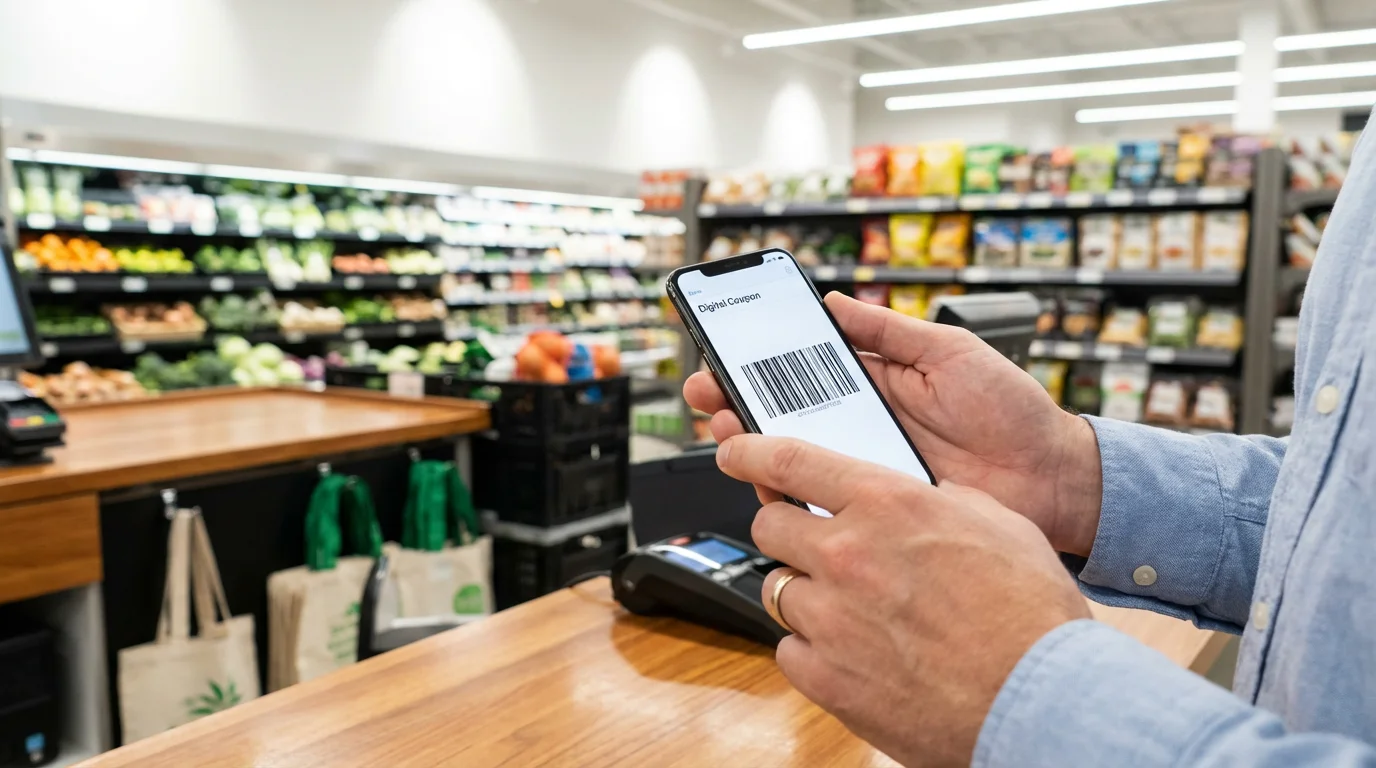
Gone are the days when couponing required buying five Sunday newspapers and carrying a bulky binder through the aisles. While paper coupons still exist and have value, the landscape has shifted dramatically toward digital convenience. This shift levels the playing field, making discounts accessible to anyone with a smartphone.
Retailers want your loyalty. In exchange, they offer digital coupons that load directly to your store loyalty card or phone number. According to Consumer Reports, utilizing these digital loyalty programs is often the first line of defense against rising grocery prices. You scan your app at checkout, and the deductions happen automatically. This removes the social anxiety some beginners feel about holding up the line while fumbling with paper scraps.
Furthermore, “couponing” now encompasses a broader ecosystem. It includes:
- Store Coupons: Discounts issued by the retailer (e.g., Target, CVS, Kroger) specifically for use in their stores.
- Manufacturer Coupons: Discounts issued by the brand (e.g., Tide, Kellogg’s) that can be used at any store accepting coupons.
- Rebate Apps: Third-party applications that give you cash back after the purchase when you upload a receipt.
- Loyalty Points: Earning points on purchases that convert to store credit or cash off future trips.

The Financial Impact of Smart Shopping
You might wonder if saving fifty cents on a can of beans is worth the effort. In isolation, perhaps not. However, couponing is a volume game that leverages consistency. If you save $30 a week on groceries and household goods, that is $1,560 a year. That is not insignificant.
According to the Consumer Financial Protection Bureau (CFPB), building an emergency savings fund is a critical step in achieving financial well-being. The money saved through couponing can be directly diverted into this fund. Instead of viewing the savings as “extra spending money,” view it as “found money” to secure your financial future.
Consider the power of compounding. If you invested that saved $120 per month into a retirement account averaging a 7% return, it would grow significantly over a decade. The effort you put into learning these strategies today pays dividends literally and figuratively.

Setting the Stage: Preparation and Mindset
Before you clip a single coupon, you need a system. Chaos leads to missed opportunities and frustration. You do not need expensive supplies; you need a plan.
Create a Dedicated Email Address
Retailers and coupon sites send a high volume of emails. You do not want these mixing with your work emails or personal correspondence. Create a free email address solely for signing up for newsletters, loyalty programs, and rebate apps. This keeps your main inbox clean and ensures you only look at deals when you are in “shopping mode.”
Know Your “Buy Price”
A coupon is only valuable if the final price is good. If a box of cereal is $6.00 and you have a $1.00 coupon, you are paying $5.00. But if that same cereal goes on sale for $2.50 once a month, paying $5.00 is a waste. Start a simple “Price Book” (a note on your phone works fine). Track the lowest prices for the 10-15 items you buy most often. This knowledge empowers you to know when a deal is actually a deal.

Digital Coupons: The Easiest Entry Point
If you are overwhelmed, start here. Digital coupons require zero physical clipping and are almost impossible to lose.
- Download Store Apps: Identify the two grocery stores and one pharmacy you visit most. Download their official apps.
- Create Accounts: Sign up for their loyalty programs. Ensure your phone number is linked to the account.
- Clip to Card: Before you shop (or even while you are in the store), open the app and browse the “Coupons” or “Deals” section. Tap “Clip” or “Add” on items you plan to buy.
- Checkout: Enter your phone number or scan your in-app barcode at the register. The savings come off automatically.
Many major chains also offer personalized coupons based on your purchase history. If you buy diapers every week, the algorithm will eventually start offering you diaper coupons. This passive saving method is highly effective for busy families.

Leveraging Cash Back Apps
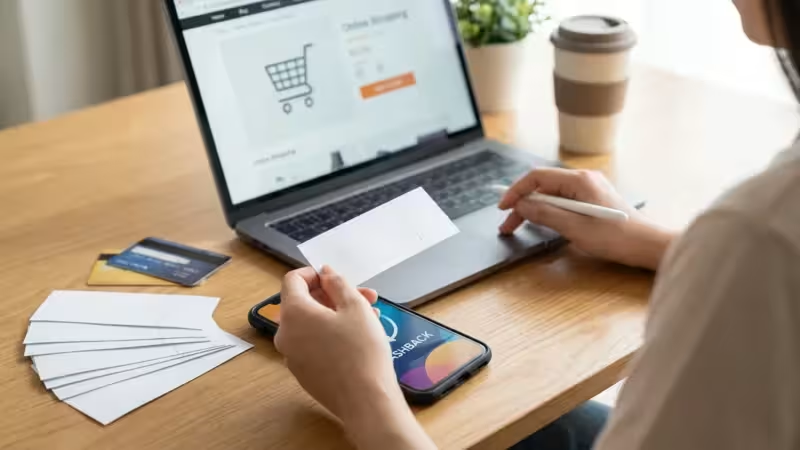
Rebate apps have revolutionized saving money. Unlike coupons that deduct money at the register, these apps pay you back after the purchase. This distinction is important because it allows you to “double dip”—using a coupon to lower the price at the register, and then getting cash back on the same item later.
The process generally works like this:
- Browse Offers: Open the app and select your store. Unlock rebates for items you intend to buy (e.g., $1.00 cash back on yogurt).
- Shop: Buy the items.
- Verify: Scan the barcode of the product to ensure it matches the offer.
- Upload Receipt: Take a photo of your receipt within the app.
- Get Paid: The money accumulates in your account, which you can cash out to a bank account or gift cards once you hit a minimum threshold (usually $20).
Be aware of data privacy. As noted by experts at the Federal Trade Commission (FTC), consumers should always understand what data they are trading for convenience or discounts. Read the privacy policy of any app you install to understand how your shopping data is being used.

Stacking Strategies for Maximum Savings
“Stacking” is the core concept that moves you from saving pennies to saving dollars. It involves applying multiple discounts to a single item. While every store has different policies, the general hierarchy of stacking is:
| Layer | Description | Example |
|---|---|---|
| 1. Store Sale | The discounted price on the shelf. | Shampoo on sale for $4.00 (Reg. $6.00). |
| 2. Store Coupon | A coupon issued by the retailer (often digital). | $2.00 off store coupon in the app. |
| 3. Manufacturer Coupon | A coupon from the brand (paper or digital). | $1.00 off manufacturer coupon. |
| 4. Rebate App | Cash back after purchase. | $1.00 cash back offer in app. |
The Math:
Regular Price: $6.00
Sale Price: $4.00
Less Store Coupon: -$2.00
Less Mfr Coupon: -$1.00
Pay at Register: $1.00
Get Rebate: -$1.00
Final Cost: FREE
Not every transaction will result in free items, but stacking typically reduces the cost significantly more than using a single coupon alone. Always check your store’s coupon policy online to see if they allow “stacking” a store coupon with a manufacturer coupon.

Avoiding the “Spend to Save” Trap
One of the greatest risks in couponing is the psychological pressure to spend money to “save” money. Marketers are experts at making you feel like you are losing out if you do not claim a deal.
According to Investopedia, opportunity cost is a vital economic concept to remember here. If you spend $50 on discounted candles you don’t need, that is $50 you cannot use for groceries or debt repayment. The “deal” actually cost you money.
Rules to Protect Your Wallet:
- The “Need” Test: If the item were full price, would you still buy it eventually? If yes, the coupon is a win. If no, you are just spending money.
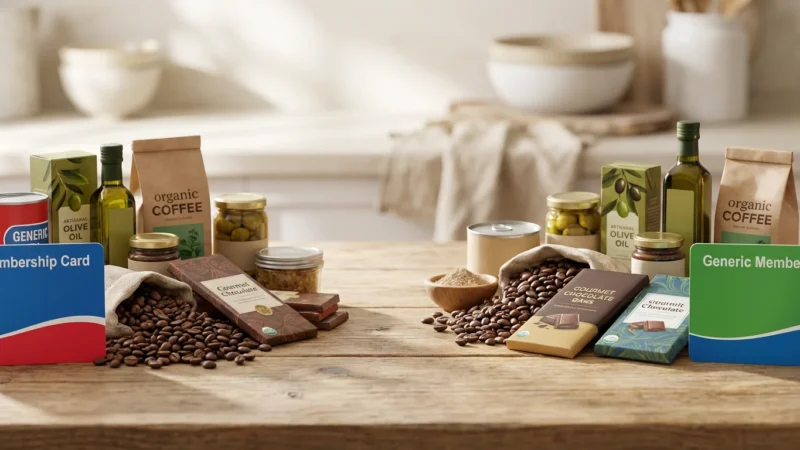
- Brand Loyalty: Do not let a coupon force you to buy a premium brand that is still more expensive than the generic version. If Brand A is $5.00 with a $1.00 coupon ($4.00 total), but the Store Brand is $2.50, the coupon is not saving you money.
- Stockpile Limits: Do not buy perishables in bulk unless you have a plan to freeze or consume them immediately. Throwing away rotten food is throwing away money.

Organizing Your Strategy
Organization keeps couponing from becoming a second job. You need a system that fits your personality.
The Digital-Only Method
If you hate clutter, stick to store apps and rebate apps. Check them once a week, perhaps on Friday night or Saturday morning before your major shopping trip. Make your list based on what is on sale and what digital coupons are available.
The Hybrid Method
If you occasionally use paper coupons (perhaps from mailers or in-store dispensers), use a small accordion file or a simple envelope system. Label envelopes by category: “Dairy,” “Cleaning,” “Personal Care.” Purge expired coupons on the first day of every month to keep the pile manageable.
The List Method
Write your shopping list first. Then, look for coupons specifically for those items. This is the most disciplined approach and prevents impulse buying, though it may yield lower total savings than planning your meals around the coupons.

Common Pitfalls to Avoid
Even experienced couponers make mistakes. Watch out for these common errors:
- Misreading the Fine Print: Coupons often have size restrictions (e.g., “Excludes trial size”) or quantity limits (e.g., “Limit 4 like coupons per day”). Reading the details prevents embarrassment at the register.
- Chasing Deals at Multiple Stores: Driving across town to save $2.00 at a different grocery store burns gas and time. Pick one or two primary stores and stick to them.
- Ignoring Unit Price: Always check the price per ounce. Sometimes the larger “bulk” package is actually more expensive per unit than the smaller package on sale with a coupon.
- Fraudulent Coupons: Never buy coupons from “clipping services” on social media or auction sites. Many of these are photocopied or fraudulent. As noted by the coupon information center (via industry watchdogs), using counterfeit coupons is a crime. Stick to coupons you obtain from the source (store app, newspaper, manufacturer website).

When to Consult a Financial Professional
While couponing is a fantastic tool for cash flow management, it is not a cure-all for deep financial structural issues. There are times when DIY saving strategies are insufficient.
We recommend consulting a financial professional if:
- You are overwhelmed by debt: If you are using credit cards to pay for basic necessities despite strict budgeting and couponing, you may need credit counseling. The National Foundation for Credit Counseling (NFCC) provides access to certified counselors who can help you manage debt.
- You have significant assets: If your savings from couponing have helped you accumulate substantial wealth, a Certified Financial Planner (CFP) can help you invest that capital tax-efficiently.
- You are experiencing compulsive shopping: If the “thrill of the deal” leads to hoarding or compulsive spending that damages your relationships or finances, a mental health professional or financial therapist is the appropriate resource.
- You are nearing retirement: Adjusting your budget for fixed income requires more than saving on groceries; it requires comprehensive income planning.
Frequently Asked Questions
Is couponing really worth the time investment?
For most people, spending 30 minutes a week planning a shopping trip can save $20 to $50. This equates to a “wage” of $40 to $100 per hour tax-free. However, “extreme” couponing that requires 20+ hours a week rarely offers a return on investment for the average person compared to working a side job or focusing on career advancement.
Can I use coupons on clearance items?
Generally, yes. This is often where the best deals are found. However, it depends on the store’s policy. The coupon value usually cannot exceed the item’s price (you won’t get cash back), but the item often becomes free.
What happens if the coupon value is higher than the item price?
This is called “overage.” Policies vary by store. Some stores will apply the excess amount to the rest of your basket, while others will simply adjust the coupon value down to the price of the item. Most modern point-of-sale systems automatically adjust the value down.
Do digital coupons double?
In the past, many stores offered “double coupon days.” This practice is becoming rare, especially for digital coupons. Digital coupons usually deduct exactly the face value shown in the app.
How do I know if a coupon is legitimate?
Legitimate coupons come directly from the manufacturer (their website or email list), the retailer’s official app/ad, or reputable coupon aggregators (like the Sunday paper inserts). Avoid coupons found in random PDF files online or forwarded via social media chains, as these are frequently counterfeit.
Is it better to buy generic or use a coupon on a brand name?
You must do the math. If a brand-name pasta is $2.00 and you have a $0.50 coupon, it costs $1.50. If the store brand is $1.00, the generic is still the better deal. However, if the brand name is on sale for $1.25 and you have a $0.50 coupon, the brand name becomes $0.75, making it cheaper than the generic.
When should I consult a professional about my budget?
If you find that despite couponing, budgeting, and cutting costs, you are still unable to meet your monthly obligations or are relying on high-interest debt to survive, you should speak with a non-profit credit counselor immediately. Visit NFCC.org for guidance.
What are the risks of using cash-back apps?
The primary risk is data privacy. You are selling your purchase history to marketing data firms in exchange for cash rebates. If you are uncomfortable with companies tracking your shopping habits, you should rely on store coupons and sales rather than third-party data collection apps.
Last updated: January 2026. Information accurate as of publication date. Financial regulations, rates, and programs change frequently—verify current details with official sources.
This article was reviewed for accuracy by our editorial team.
For trusted financial guidance, visit
The Balance,
Kiplinger,
Forbes Advisor,
Money.com and
Consumer Financial Protection Bureau (CFPB).
Important: EasyMoneyPlace.com provides educational content only. We are not licensed financial advisors, tax professionals, or registered investment advisers. This content does not constitute personalized financial, tax, or legal advice. Laws and regulations change frequently—verify current information with official sources.
Disclaimer: This article is for informational purposes only and does not constitute financial, tax, or legal advice. Individual financial situations vary, and we encourage readers to consult with qualified professionals for personalized guidance. For those experiencing financial hardship, free counseling is available through the National Foundation for Credit Counseling.






Leave a Reply