
We all love the smell of a brand-new car or the shine of a gadget just out of the box. But that “new” feeling often comes with a steep price tag: immediate depreciation. The moment you drive that car off the lot or cut the tags off that designer jacket, the item loses a significant portion of its value. By shifting your mindset to the secondhand market, you keep that money in your pocket rather than paying a premium for the shrink wrap.
Adopting a secondhand-first mindset is one of the most effective ways to save money while still enjoying life and the hobbies you love.
Smart spending isn’t about depriving yourself; it is about allocating your resources efficiently. When you buy used, you can often afford higher quality brands and better materials than you could if you were restricted to buying new. This guide identifies the items with the highest markups and fastest depreciation rates, showing you exactly where the smart money goes.
Audience Scope: This guide is for U.S. residents and general households looking to optimize their budget and reduce waste. If you have complex financial circumstances, business asset depreciation concerns, or specific health vulnerabilities, we recommend consulting with a qualified professional before making significant purchasing decisions.

Key Takeaways
- Depreciation is real: Items like cars and electronics lose 20% to 50% of their value almost immediately after purchase.
- Quality over novelty: Buying used often allows you to purchase higher-tier brands and more durable materials for the same price as lower-quality new items.
- Safety first: While buying used is smart, you must know what to inspect. Avoid used safety gear like car seats and helmets.
- Patience pays off: Finding the right used item takes time, but the financial return on that time investment is often substantial.
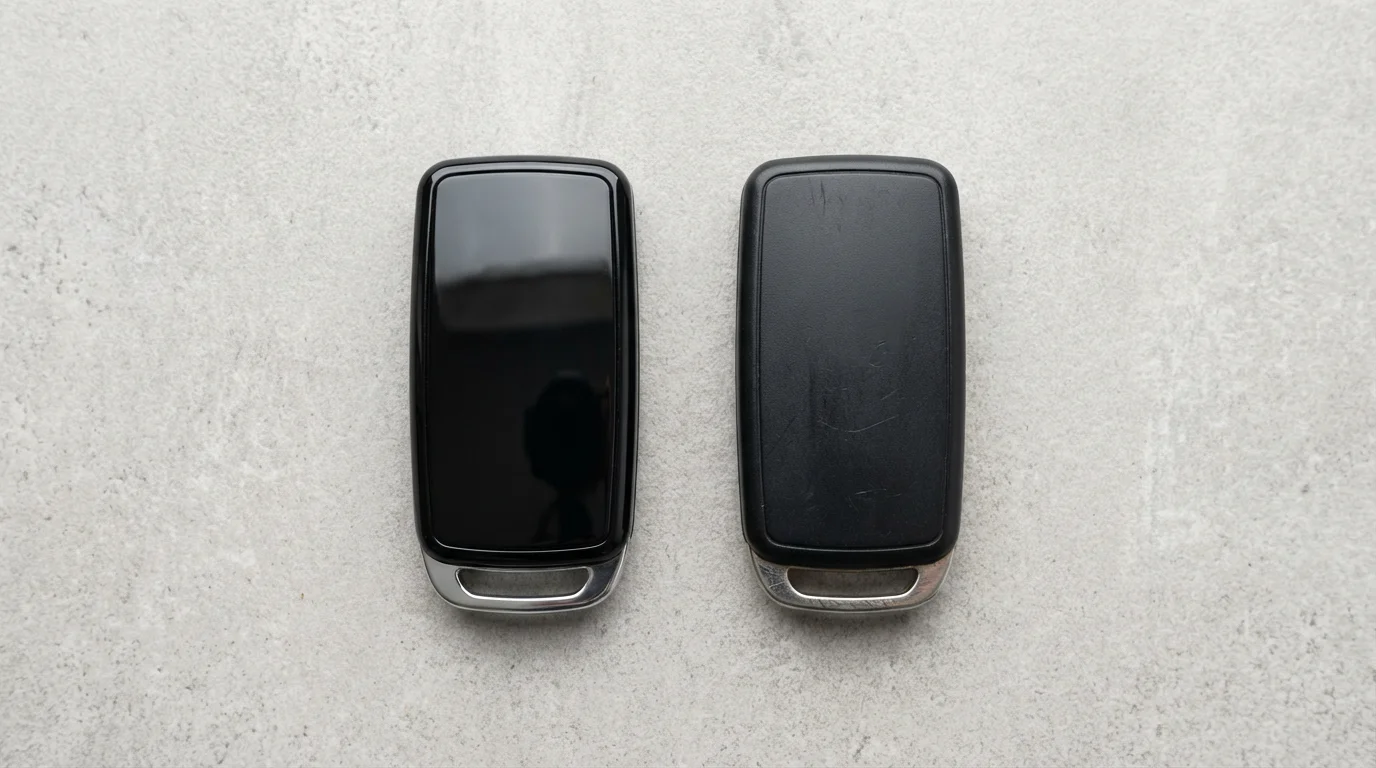
1. Automobiles
Cars are the textbook definition of a depreciating asset. The moment you sign the papers and drive a new vehicle off the dealership lot, it loses approximately 10% of its value. By the end of the first year, that loss jumps to roughly 20%. If you buy a $40,000 car, you effectively lose $8,000 in value in just 12 months.
By consistently choosing used over new for these ten categories, you can find several painless ways to save $500 this month without sacrificing quality.
Once you’ve secured a reliable used vehicle, you might even consider renting out your car to turn that asset into a source of income.
Beyond the used market, knowing the best time to buy everything can help you time your purchases for the deepest discounts.
According to NerdWallet, buying a used car that is two to three years old is often the “sweet spot.” The original owner has already absorbed the steepest depreciation hit, yet the vehicle usually has plenty of life left and may even still be under the manufacturer’s warranty.
What to Look For
When shopping for a used vehicle, diligence is key. Don’t rely solely on the exterior appearance.
- Vehicle History Report: Always pay for a report like Carfax to check for accidents, flood damage, or title issues.
- Pre-Purchase Inspection: Pay a trusted independent mechanic to inspect the car before you hand over any money. This costs about $100-$200 but can save you thousands in hidden repairs.
- Certified Pre-Owned (CPO): Consider CPO vehicles from dealerships, which undergo rigorous inspections and come with extended warranties.
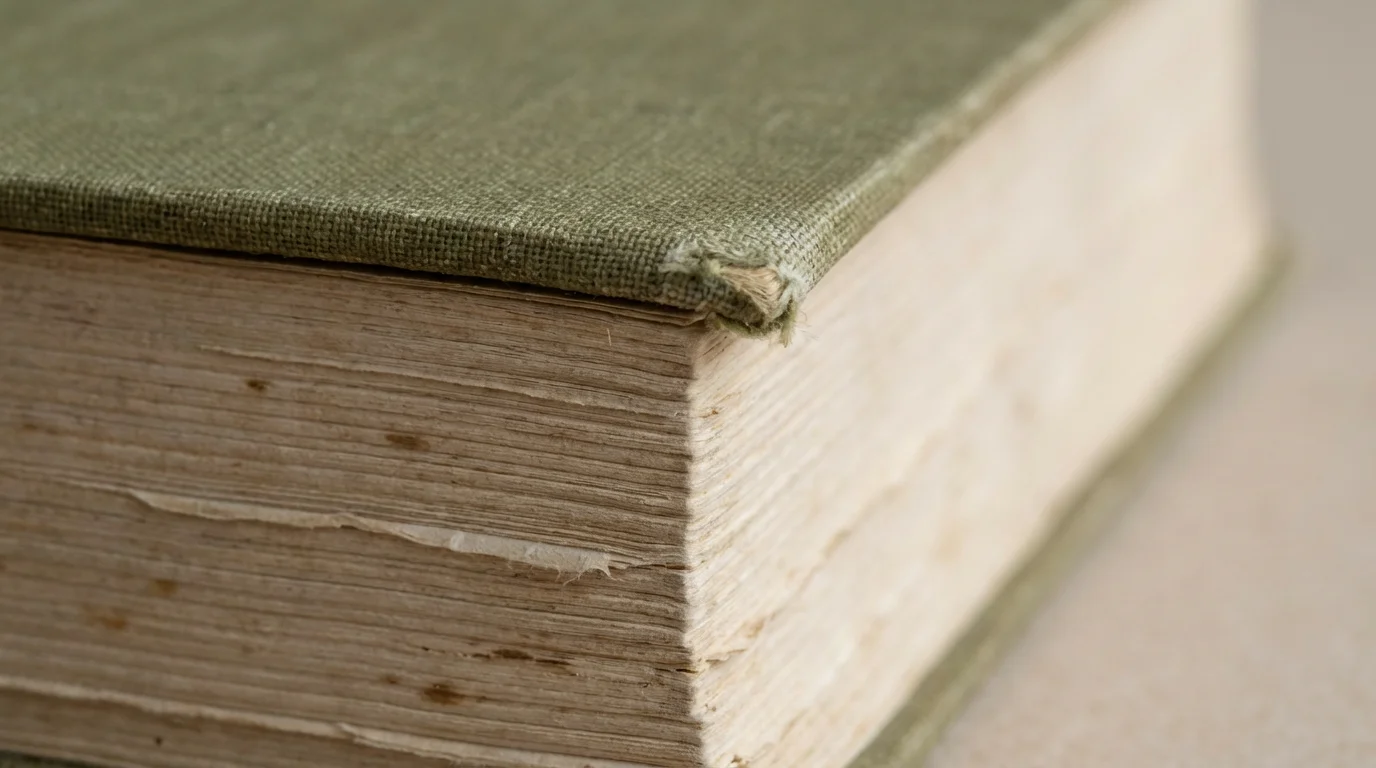
2. Books and Textbooks
Whether you are a college student facing a semester of expensive classes or an avid reader who devours novels, buying brand new books is rarely necessary. New hardcovers can cost $30, and textbooks can easily run over $200 each. Once you read them, they sit on a shelf.
For those shopping for media online, mastering a few Amazon hacks can reveal hidden used-book deals and warehouse savings.
Where to Buy
The secondary market for books is vast and accessible.
- Online Resellers: Sites like AbeBooks, ThriftBooks, and eBay offer massive inventories of used titles for a fraction of the retail price.
- Local Libraries: Most libraries hold annual sales where they offload extra inventory for as little as $1 or $0.50 per book.
- Student Groups: For textbooks, look for campus Facebook groups or student bulletin boards where upperclassmen sell their old books directly to avoid bookstore markups.
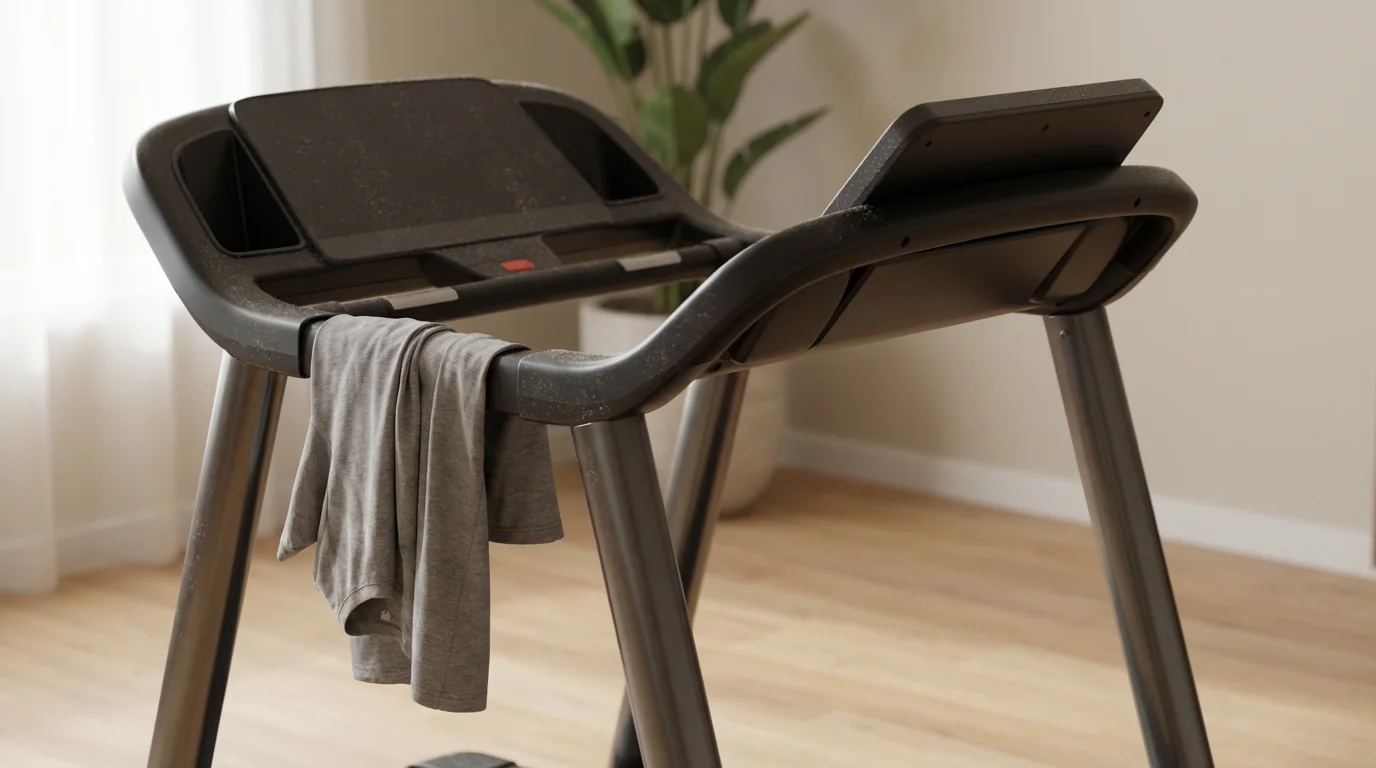
3. Fitness Equipment
We have all seen it: the expensive treadmill that turns into a clothes hanger. Many people buy fitness equipment with high aspirations, use it for a month, and then let it gather dust. Eventually, they just want it out of their house to reclaim the space.
This creates a buyer’s market. You can often find high-end cardio machines, weight sets, and benches for 50% to 70% off retail prices on local marketplaces. Since these items are heavy and difficult to ship, sellers are often motivated to negotiate if you can haul it away yourself.
Inspection Checklist
- Electronics: Test every button, incline setting, and speed option on treadmills and ellipticals.
- Belts and Cables: Check for fraying on weight machine cables and cracks in treadmill belts.
- Rust: If the equipment was kept in a garage, check for rust that might compromise structural integrity.
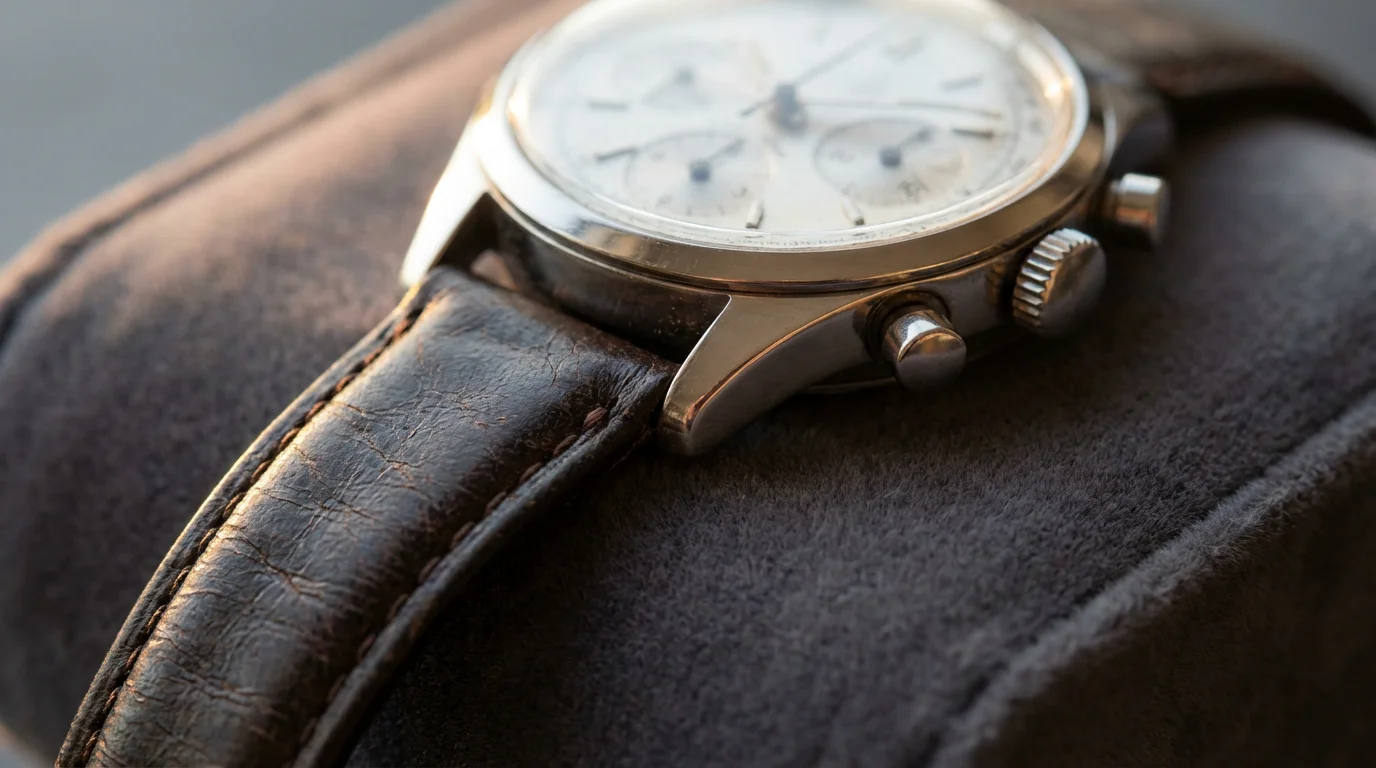
4. Jewelry and Watches
Jewelry has one of the highest markups in retail, often ranging from 100% to 300%. When you buy a diamond ring new from a jeweler, you are paying for the brand, the marketing, the store rent, and the salesperson’s commission. If you try to resell that same ring the next day, you might only get 30% of what you paid.
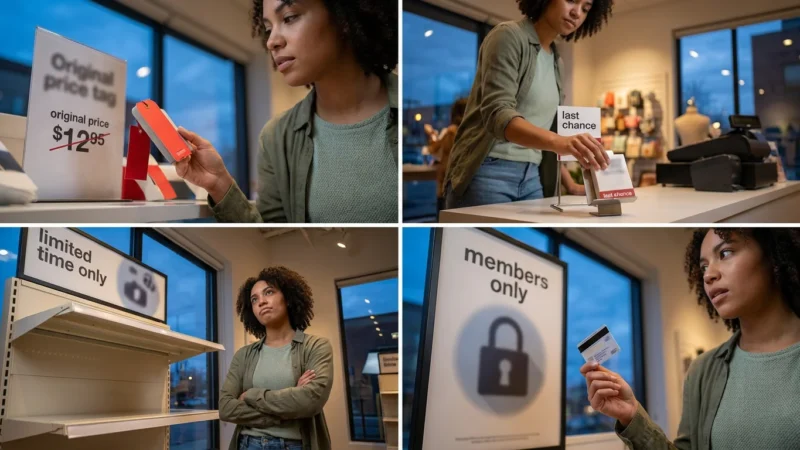
Be sure to learn how to spot a fake sale so you aren’t misled by the high ‘original’ MSRPs often seen in retail jewelry showrooms.
Buying estate jewelry or high-end used watches allows you to acquire higher-quality stones and precious metals for your budget. Gold and diamonds do not “wear out”—a professional cleaning and polishing can make a 50-year-old ring look brand new.
“Price is what you pay. Value is what you get.” — Warren Buffett
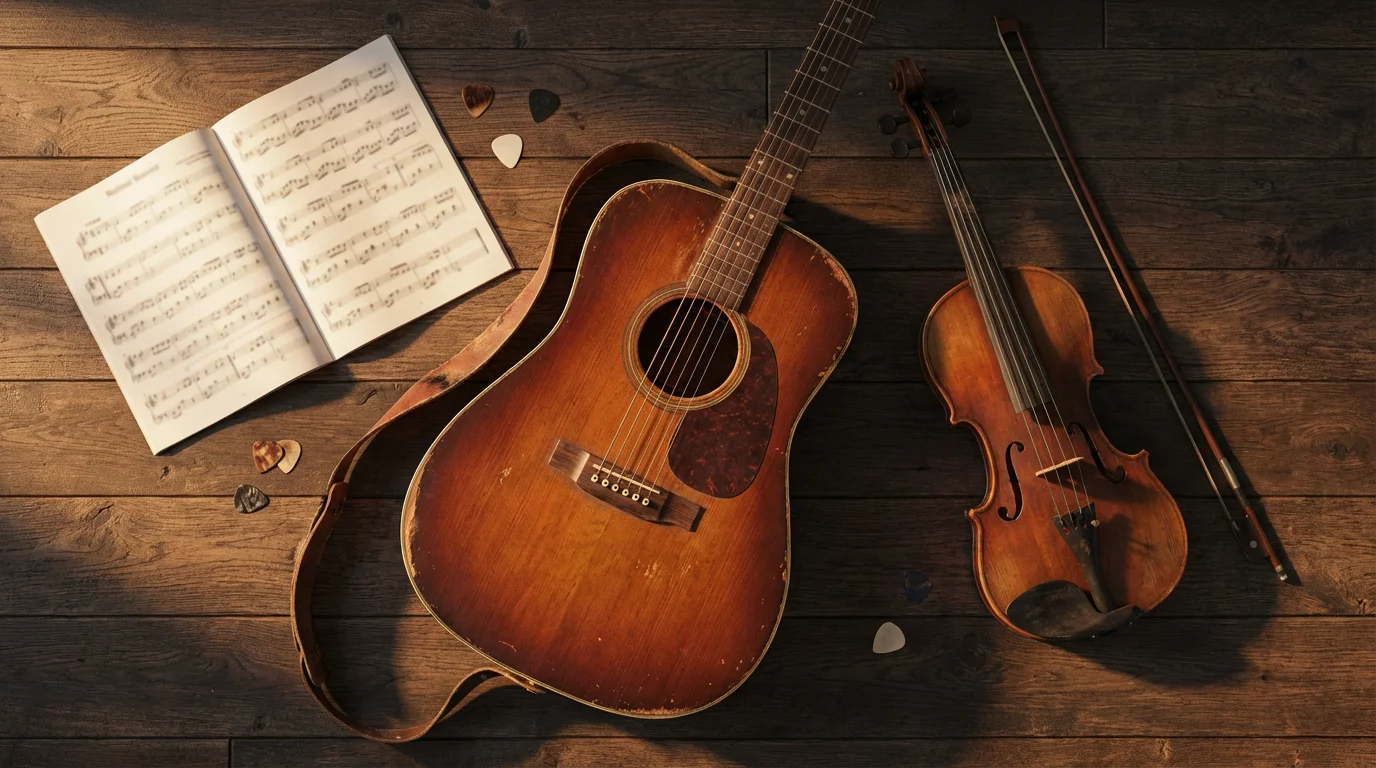
5. Musical Instruments
If you or your child is starting to learn an instrument, avoid buying new. Many students quit after a few months, flooding the market with barely used clarinets, violins, and guitars. Furthermore, quality instruments, particularly wooden ones like guitars and violins, can actually sound better with age as the wood matures.
Student vs. Professional Gear
For beginners, look for used “student model” instruments from reputable brands (like Yamaha or Selmer) rather than cheap new “off-brand” instruments from big-box stores. A high-quality used instrument will hold its tune better and be easier to play, increasing the chances the student sticks with it.
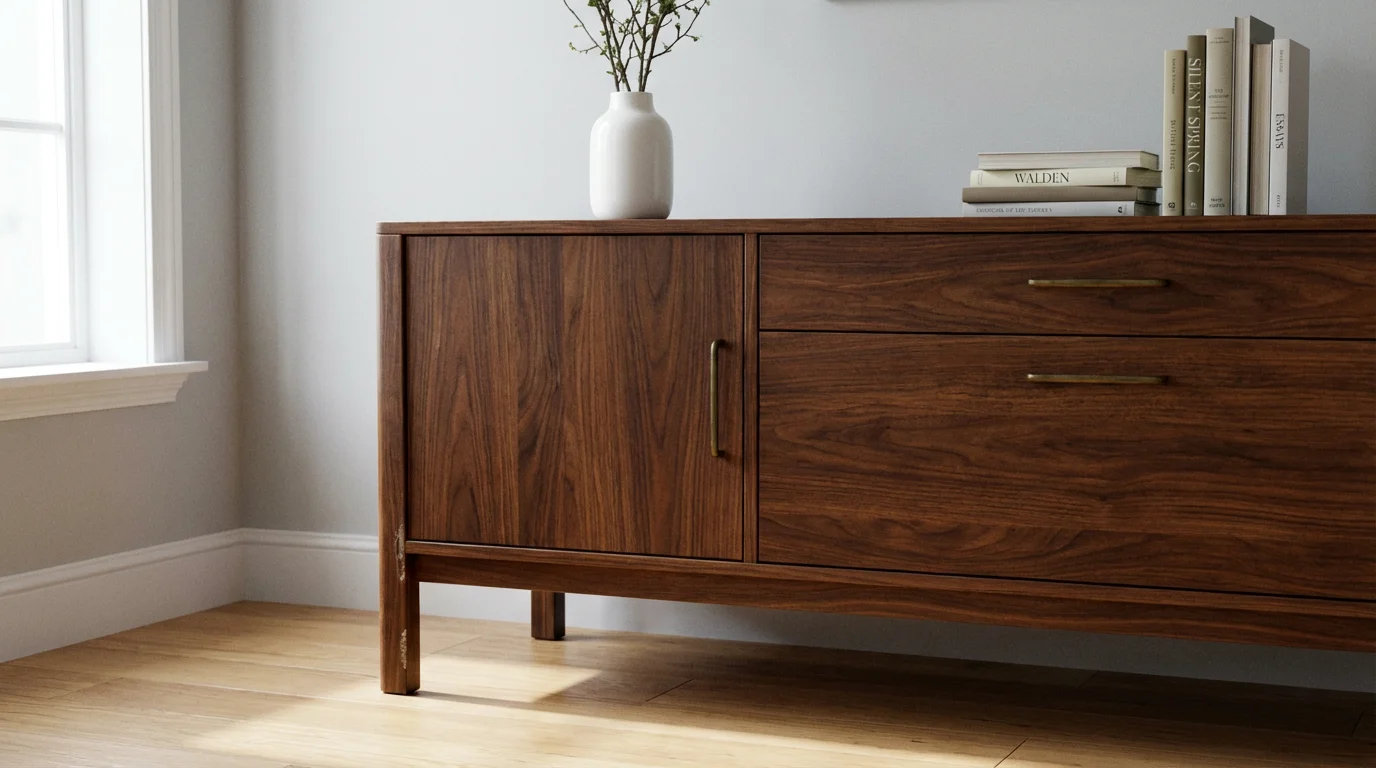
6. Furniture and Decor
Solid wood furniture is built to last for generations, yet it is frequently sold for pennies on the dollar at estate sales and thrift stores. In contrast, new furniture at the same price point is often made of particleboard and veneer, which degrades quickly.
Choosing high-quality used furniture is an excellent strategy when planning for major life expenses like move-in costs.
While upholstered items (sofas, mattresses) require caution due to hygiene concerns, hard goods like dining tables, dressers, bookshelves, and coffee tables are excellent candidates for secondhand buying. A few scratches can often be fixed with a marker or a light sanding, or you can refinish the piece entirely for a custom look.
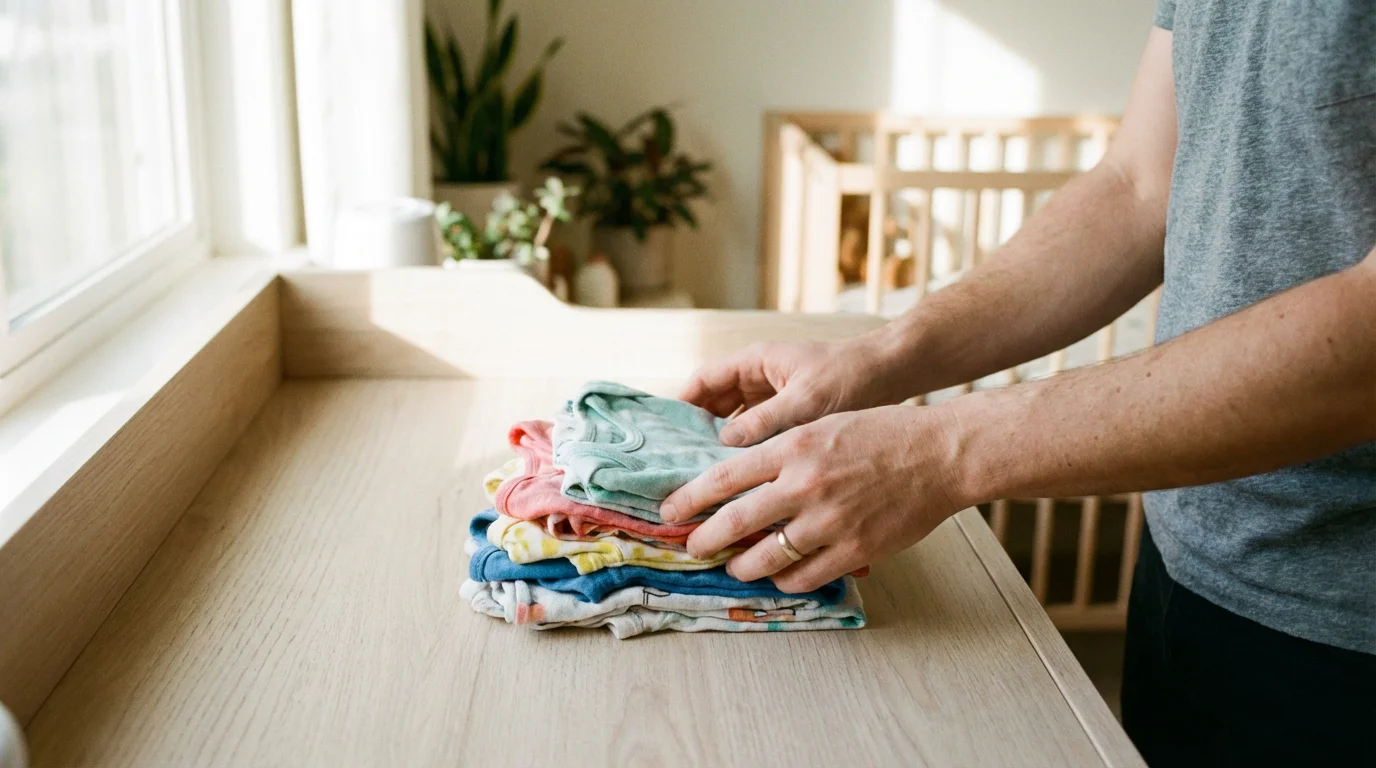
7. Baby Gear and Clothes
Babies grow at an astonishing rate. An outfit bought for a newborn might fit for only a few weeks. High chairs, strollers, playpens, and bassinets are used for relatively short periods before the child outgrows them. As a result, parents are constantly offloading gently used gear in excellent condition.
Buying secondhand is also a pillar of effective back-to-school budgeting as children grow into new sizes every year.
Safety Warning
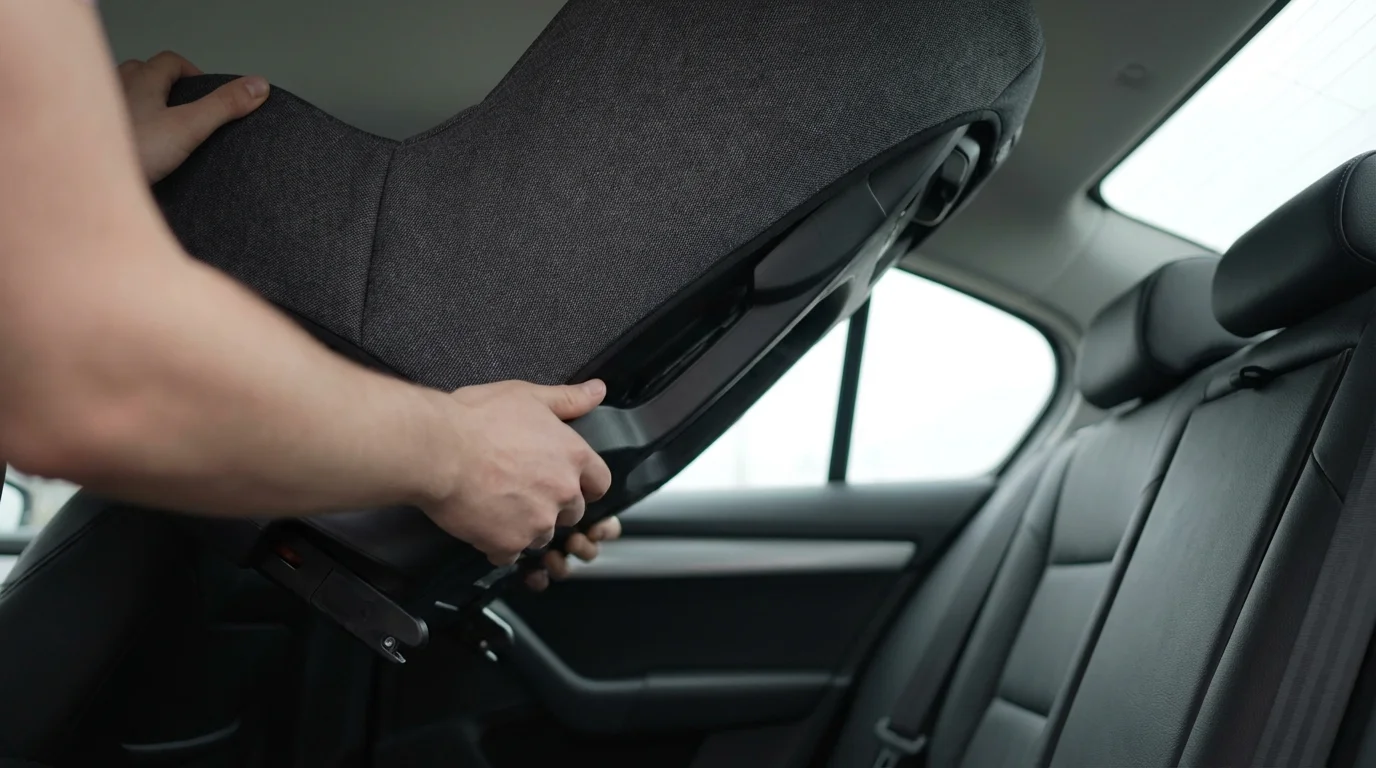
According to the Consumer Financial Protection Bureau (CFPB) and safety experts, you should never buy used car seats. They have expiration dates, and you cannot verify if a used seat has been involved in a crash, which compromises its safety. Stick to clothes, furniture, and toys (that can be sanitized) for the secondhand market.
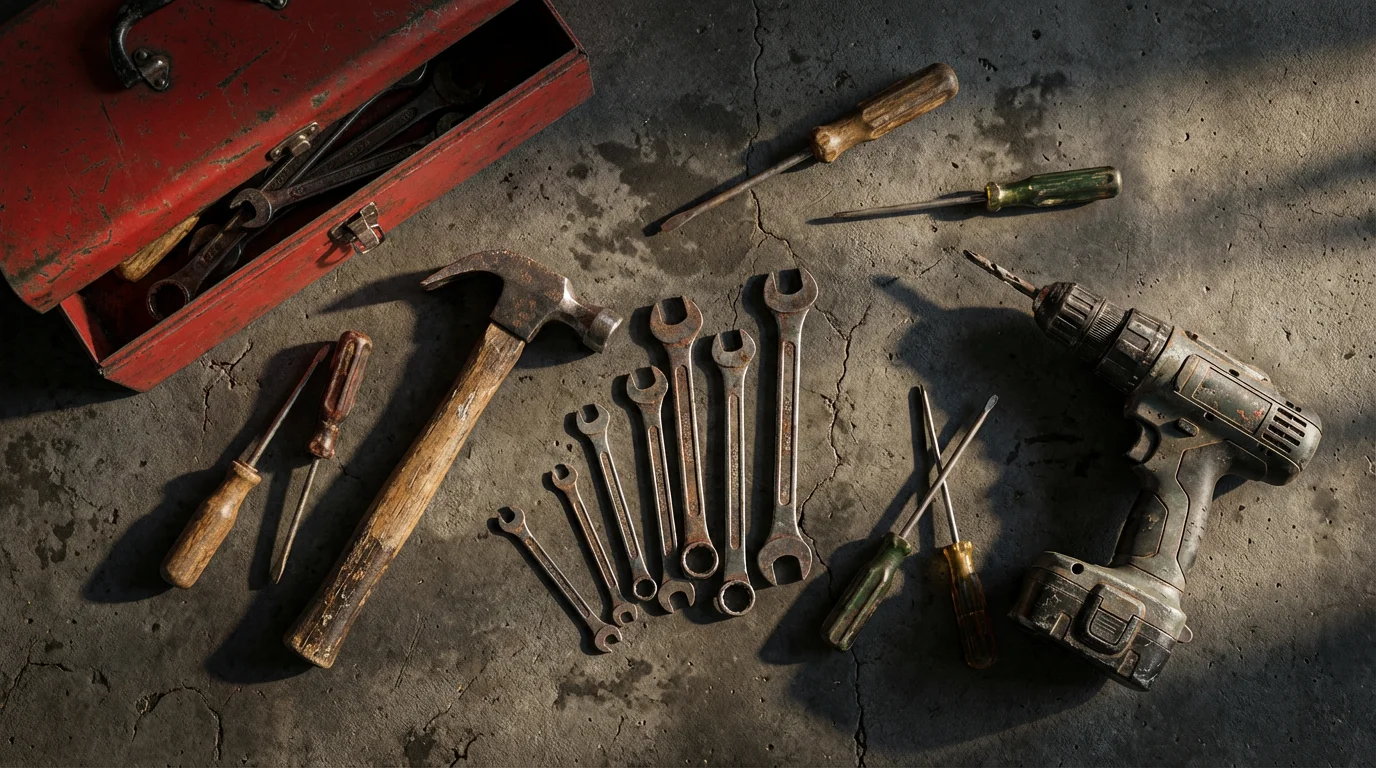
8. Tools and Hardware
Hand tools like hammers, wrenches, screwdrivers, and saws are virtually indestructible. A twenty-year-old wrench works just as well as a brand-new one. Even power tools can be a great bargain if you stick to major brands known for durability (like DeWalt, Milwaukee, or Makita).
If you can’t find a specific tool on the used market, knowing how to shop clearance like a pro can help you find brand-new hardware at near-used prices.
Check pawn shops and estate sales for tools. You can often buy an entire toolbox full of quality equipment for the price of one or two new tools at a hardware store. For power tools, check the cords for fraying and ensure the motor runs without a burning smell or excessive sparking.

9. Consumer Electronics
The pace of technology moves fast. A smartphone or laptop is considered “old” within two years. However, the performance difference between the latest model and the previous generation is often negligible for the average user.
In this category, buying refurbished is often a safer alternative than buying from a private seller, as it typically includes a warranty.
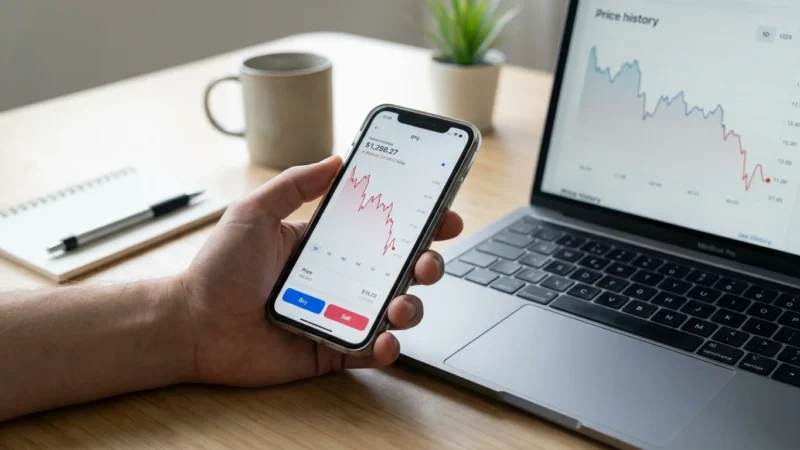
To ensure you are getting a true bargain on tech, utilize price tracking tools to compare used prices against historical new-item lows.
Instead of buying brand new, look for “Certified Refurbished” items directly from manufacturers (like Apple or Dell) or reputable retailers. These items often come with a new battery, a new outer shell, and a standard warranty, indistinguishable from a new product but sold at a 15-20% discount.

10. Special Occasion Clothing
Prom dresses, tuxedos, and wedding gowns are the ultimate single-use items. Spending hundreds or thousands of dollars on a garment you will wear for six hours makes little financial sense. The secondhand market for formal wear is full of pristine items that have been worn once and dry-cleaned.
Understanding the psychology of sales can help you realize that you don’t actually need a brand-new designer outfit for every event on your calendar.
Consignment shops and online platforms like Poshmark or ThredUp are goldmines for formal wear. Alternatively, consider renting high-end outfits from services like Rent the Runway, which allows you to wear designer fashion for a fraction of the purchase price.

The Savings Potential
To visualize the impact on your wallet, here is a comparison of estimated costs for these common household items.
| Item | Avg. New Price | Avg. Used Price | Potential Savings |
|---|---|---|---|
| Mid-Range Treadmill | $1,000 | $300 | $700 |
| Solid Wood Dining Table | $1,200 | $250 | $950 |
| Designer Jeans | $150 | $40 | $110 |
| Student Guitar | $300 | $125 | $175 |
| Total Savings | $2,650 | $715 | $1,935 |
Safety Alert: What You Should ALWAYS Buy New
While buying used is a powerful financial tool, your safety and health are priceless. There are specific items where the risk of hidden damage or hygiene issues outweighs the savings.
- Car Seats: As mentioned, materials degrade and crash history is invisible. Always buy new.
- Bicycle Helmets: A helmet is designed for one impact. Micro-cracks from a previous drop can render it useless in an accident.
- Mattresses: The risk of bedbugs, dust mites, and bodily fluids makes used mattresses a gamble not worth taking.
- Tires: Tires rot from the inside out. Unless you are an expert at reading tire date codes and wear patterns, buy new tires for your vehicle safety.
For more on consumer safety and product recalls, refer to the Federal Trade Commission (FTC) consumer information resources.

When to Consult a Financial Professional
Adopting a frugal lifestyle and buying used is an excellent way to manage cash flow, but it is not a substitute for comprehensive financial planning. There are times when DIY money management hits a ceiling.
You should consider speaking with a financial professional if:
- You are overwhelmed by debt: If your interest payments are unmanageable, frugal shopping alone won’t solve the problem. Nonprofit credit counseling can help.
- You are nearing retirement: You need a strategy to convert your savings into a steady income stream.
- You have a significant surplus: If your frugal habits have resulted in large savings, a professional can help you invest that capital efficiently.
For help with debt management, the National Foundation for Credit Counseling (NFCC) provides access to certified counselors. For investment and long-term planning, verify a professional’s credentials through the Certified Financial Planner Board.
Frequently Asked Questions
Is it safe to buy used electronics online?
It can be safe if you stick to reputable platforms that offer buyer protection, such as eBay (with their Money Back Guarantee) or Swappa. Avoid paying via cash apps or wire transfers on platforms like Facebook Marketplace or Craigslist, as these offer no recourse if the device is faulty. Always ask for video proof that the device powers on and functions before meeting.
For those few items you simply cannot find on the secondary market, always use price tracking tools to ensure you buy when prices are at their absolute lowest.
What about warranties on used items?
Most factory warranties are transferable to the new owner, especially for cars and some high-end electronics, but you must verify this with the manufacturer’s policy. When you buy “Certified Refurbished,” you usually get a new warranty (often 90 days to 1 year) from the seller.
When should I consult a professional about my spending habits?
If you find that your spending is compulsive—whether it is buying new or hoarding used items—to the point where it affects your relationships or financial stability, you should speak with a mental health professional or a financial therapist. Buying used is a tactic, not a cure for underlying financial behavioral issues.
What are the risks of buying used appliances?
The main risk is lifespan. You generally don’t know how hard the previous owner ran the washing machine or dryer. A good rule of thumb is to look for simple appliances with fewer digital displays and computer boards, as these are cheaper to repair. If the price of the used appliance is more than 50% of a new one, it is usually better to buy new for the warranty coverage.
How do I negotiate prices on used items?
Be polite but firm. Do your research to know the fair market value. Cash is king in face-to-face transactions. You might say, “I see you have this listed for $100, but I can offer $80 cash today and pick it up immediately.” Sellers often value a quick, hassle-free sale over getting top dollar.
Are there tax implications for selling my own used items?
Generally, if you sell used personal items for less than you paid for them, it is considered a personal loss and is not taxable income. However, if you are flipping items for profit (buying low and selling high), the Internal Revenue Service (IRS) considers this business income, which must be reported. Rules regarding online sales reporting thresholds (Form 1099-K) have changed recently, so check the latest IRS guidelines.
What if I unknowingly buy a stolen item?
If you buy an item that turns out to be stolen, you will likely lose the item to the police and not get your money back. To minimize this risk, avoid deals that seem “too good to be true,” meet in safe public exchange zones (many police stations offer these), and ask for original receipts or packaging when possible.
Last updated: January 2026. Information accurate as of publication date. Financial regulations, rates, and programs change frequently—verify current details with official sources.
This article was reviewed for accuracy by our editorial team.
For trusted financial guidance, visit
Consumer Financial Protection Bureau (CFPB),
Internal Revenue Service (IRS) and
Social Security Administration (SSA).
Important: EasyMoneyPlace.com provides educational content only. We are not licensed financial advisors, tax professionals, or registered investment advisers. This content does not constitute personalized financial, tax, or legal advice. Laws and regulations change frequently—verify current information with official sources.
Disclaimer: This article is for informational purposes only and does not constitute financial, tax, or legal advice. Individual financial situations vary, and we encourage readers to consult with qualified professionals for personalized guidance. For those experiencing financial hardship, free counseling is available through the National Foundation for Credit Counseling.




Leave a Reply