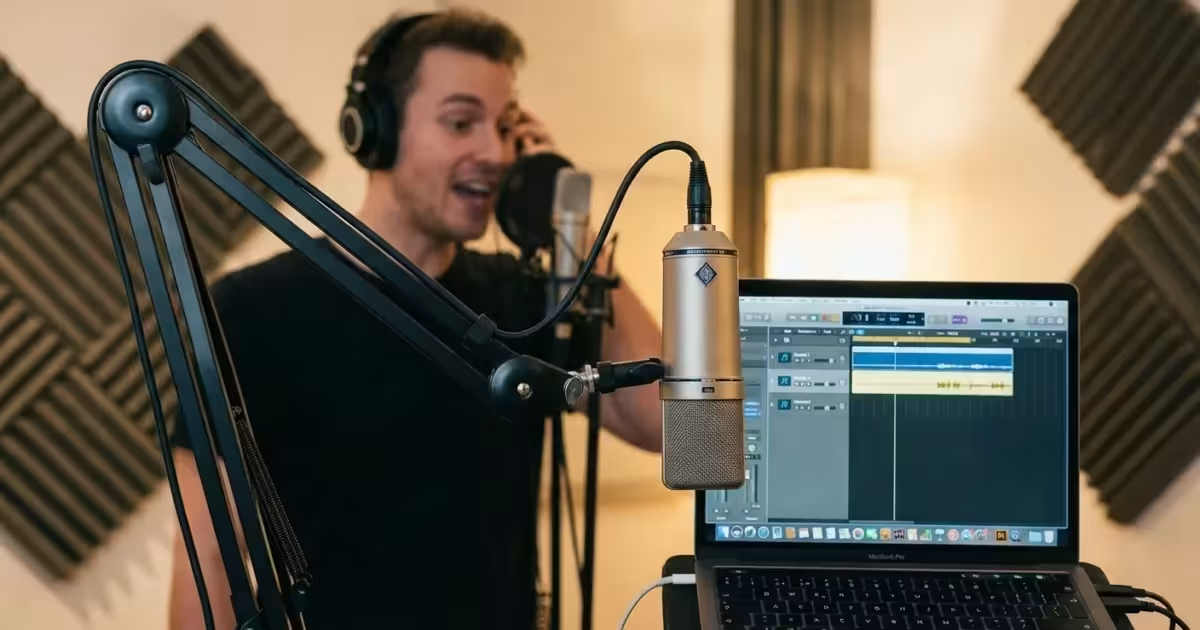
You probably hear them every day: the calm voice explaining how a new medication works, the enthusiastic narrator of your favorite true-crime podcast, or the authoritative tone in a corporate training video. These voices belong to everyday people who have turned their speaking ability into a flexible, work-from-home income stream. The voiceover industry has moved beyond Hollywood studios and expensive radio booths; today, technology allows you to build a successful narration career from a spare closet in your own house.
This educational guide provides general information for U.S. residents learning about voiceover work and narration jobs. The strategies and concepts discussed here are for educational purposes and may not apply to your specific situation. Everyone’s financial circumstances are unique—factors like income, debt levels, family situation, tax bracket, and financial goals all affect which approaches might work best. For personalized advice tailored to your situation, we recommend consulting with a qualified financial professional such as a Certified Financial Planner (CFP) or CPA.

Key Takeaways
- Low Barrier to Entry: You can start a voiceover side hustle with a modest investment in basic recording equipment and a quiet space.
- Diverse Opportunities: Narration jobs range from audiobooks and commercials to e-learning modules and phone system recordings.
- Skill Over Equipment: While good gear matters, your ability to interpret text and maintain vocal consistency is your most valuable asset.
- Business Mindset Required: Success in this field involves managing your own marketing, taxes, and client relationships.
- Growth Potential: Many people start voiceover work as a side hustle to supplement their income before transitioning to full-time self-employment.

Understanding the Voiceover Landscape
Voiceover work is the art of providing a voice for use in a professional audio-visual production. It is essentially “acting with your voice.” You don’t necessarily need a deep, radio-style baritone or a high-pitched cartoon voice to succeed. In fact, many modern clients look for “non-announcer” voices—people who sound like a helpful neighbor, a trusted friend, or a knowledgeable colleague.
If you are still exploring different ways to earn, check out this list of 25 legitimate side hustles you can start this weekend for more inspiration.
Many successful narrators discovered that how to turn your hobby into a side hustle begins with identifying a talent for storytelling or character acting.
As you enter this field, it is also wise to monitor the financial impact of AI on narration jobs to ensure your career remains future-proof.
The industry divides into several key niches. Commercials are the most visible, appearing on television, radio, and digital streaming platforms. However, the largest growth areas often involve “non-broadcast” work. This includes e-learning (narrating online courses for corporations), medical narration (explaining complex procedures to doctors or patients), and corporate narration (internal training or annual reports).
Audiobooks represent another massive sector. According to the Bureau of Labor Statistics, the demand for media and communication workers continues to evolve as digital content consumption rises. As an audiobook narrator, you might spend hours recording a single title, requiring stamina and the ability to perform distinct character voices. Each of these niches requires a slightly different approach to tone, pacing, and marketing.
“The most important investment you can make is in yourself.” — Warren Buffett, CEO of Berkshire Hathaway

Earning Potential and Market Data
How much you can make with your voice varies wildly based on your experience, the platform you use, and the “usage rights” of the recording. In the voiceover world, you aren’t just getting paid for your time; you are often getting paid for how the recording will be used. A 30-second commercial that runs on local radio pays less than a 30-second commercial that runs nationally for a year.
Data from the Federal Reserve’s 2023 Report on the Economic Well-Being of U.S. Households indicates that approximately 33% of American adults engaged in some form of gig work or side hustle to supplement their primary income. Voiceover work fits perfectly into this gig economy model. Entry-level narrators might earn $25 to $100 for a short “explainer” video on a platform like Fiverr or Upwork. As you build a portfolio, you can move toward industry-standard rates.
The following table outlines typical project rates for independent voice actors at different stages of their careers:
| Project Type | Entry-Level Rate | Experienced Rate | Professional/Union Rate |
|---|---|---|---|
| Short Explainer (1-2 mins) | $25 – $75 | $150 – $350 | $500+ |
| Audiobook (Per Finished Hour) | $50 – $100 | $150 – $250 | $300 – $500+ |
| Radio Commercial (Local) | $100 – $200 | $250 – $500 | $600+ |
| E-Learning (Per 1,000 words) | $50 – $150 | $200 – $400 | $500+ |
Remember that “Per Finished Hour” (PFH) for audiobooks includes the time spent editing and mastering the audio, not just the time spent speaking. Typically, it takes about three hours of work to produce one finished hour of high-quality audio. If you are earning $100 PFH, your actual hourly rate for labor is closer to $33.

Essential Equipment for Your Home Studio
You do not need to spend thousands of dollars to start, but you must sound professional. If your audio has background noise, echo, or “mouth clicks,” clients will not hire you. Your goal is to create a “dead” sound environment where the microphone only picks up your voice, not the hum of your refrigerator or the sound of traffic outside.
Just like becoming a remote notary, setting up a professional voiceover studio requires specific technical requirements to meet industry standards.
You can start by recording in a walk-in closet. Clothes are excellent sound absorbers; they prevent your voice from bouncing off the walls and creating an echo. If a closet isn’t available, you can use heavy moving blankets or acoustic foam panels to treat a small corner of a room. Avoid recording in kitchens or bathrooms, as hard surfaces create “reverb” that is nearly impossible to remove in post-production.
For your technical setup, you will need three primary components:
- The Microphone: Beginners often start with a high-quality USB microphone, like the Blue Yeti or Audio-Technica AT2020USB+. However, serious professionals eventually move to XLR microphones, which require an audio interface.
- The Audio Interface: This device connects an XLR microphone to your computer. It converts the analog signal from your voice into a digital signal. Popular entry-level models include the Focusrite Scarlett Solo.
- DAW (Digital Audio Workstation): This is the software you use to record and edit. Audacity is a free, open-source option that is powerful enough for most voiceover work. If you want more professional features, you might explore Reaper or Adobe Audition.

Developing Your Vocal Skills and Niche
Having a “good voice” is only the beginning. Professional narration requires stamina, breath control, and the ability to interpret a script’s “subtext.” You must understand who you are talking to and what the client wants the listener to feel. If you are narrating a safety video for a construction company, your tone should be serious and authoritative. If you are voicing a commercial for a new toy, you need high energy and excitement.
While professional narration requires dedicated practice, there are simpler ways to make money online without any special skills if you want to start earning immediately while you train.
Because the work is performed in a solo studio environment, it is frequently cited as one of the best side hustles for introverts looking for independent work.
You should practice “cold reading,” which is the ability to read a script accurately on the first try without stumbling. This saves time during recording and reduces the amount of editing you need to do later. Many successful voice actors recommend taking acting or improv classes. These skills help you inhabit a character or a brand’s personality more naturally.
As you practice, identify your niche. Don’t try to be everything to everyone. If you have a background in medicine or technology, you may find it easier to get paid for your voice in the medical or technical narration fields. Your familiarity with the terminology allows you to speak more naturally than someone who doesn’t understand the subject matter. Specializing often allows you to charge higher rates because you provide a level of expertise that generalists lack.
Finding Narration Jobs and Platforms
Once your studio is set up and your skills are sharp, you need to find clients. The internet has democratized this process, but it also means you are competing with people globally. You should start by creating a “demo reel”—a 60 to 90-second montage of your best work in a specific niche. For example, a commercial demo should feature five or six 10-second snippets of different commercial styles.
There are several ways to find work, ranging from beginner-friendly marketplaces to high-end talent agencies:
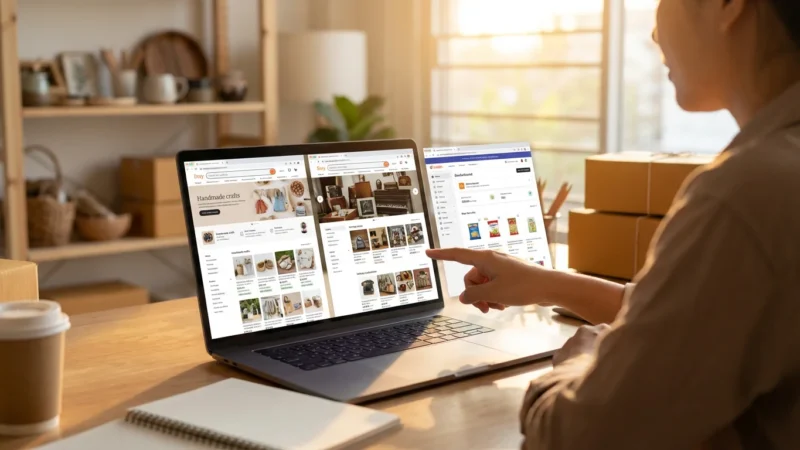
- Freelance Marketplaces: Sites like Fiverr and Upwork are excellent for beginners to build a portfolio. You set your own rates, but these platforms usually take a percentage of your earnings (often 10% to 20%).
- Pay-to-Play (P2P) Sites: Websites like Voices.com or Voice123 require an annual subscription fee (often $400-$500). In exchange, you get access to high-paying casting calls from major brands. These sites are best for those who already have a professional setup and demo.
- ACX (Audiobook Creation Exchange): Owned by Amazon, this platform connects authors with narrators. You can choose to be paid a flat fee (PFH) or enter into a royalty-share agreement where you split the book’s earnings with the author.
- Direct Marketing: You can contact production companies, advertising agencies, or e-learning developers directly. This requires more effort but allows you to build long-term relationships and avoid platform fees.
When searching for work, stay vigilant against scams. The Federal Trade Commission (FTC) warns that many “work-from-home” opportunities are actually fronts for identity theft or check-cashing scams. Never pay a fee to a “client” to start a job, and be wary of anyone who asks you to communicate outside of a platform’s secure messaging system if you are just starting out.

Managing the Business Side of Your Side Hustle
Treating your voiceover work as a business rather than a hobby is essential for financial success. This means keeping your personal and business finances separate. When you start making money with your voice, you are technically a “sole proprietor” in the eyes of the government unless you incorporate as an LLC.
You are responsible for paying self-employment taxes, which cover Social Security and Medicare. According to the IRS, you generally must pay self-employment tax if your net earnings from self-employment were $400 or more. A common rule of thumb is to set aside 25% to 30% of every paycheck in a separate savings account to cover your quarterly estimated tax payments. Failing to do this can lead to a significant tax bill and potential penalties in April.
You should also track your expenses diligently. Many of the costs associated with your side hustle may be tax-deductible. This includes:
- Home studio equipment (microphones, interfaces, computers).
- Software subscriptions and website hosting fees.
- Vocal coaching and professional demos.
- A portion of your home’s utilities and rent (if you have a dedicated home office space).
Managing an irregular income can be stressful. You might have a month where you earn $2,000 followed by a month where you earn $200. To manage this, build a “business emergency fund” specifically to cover your equipment repairs or slow months. This prevents you from having to dip into your personal rent or grocery money when the narration jobs aren’t flowing in.

Common Pitfalls and Risks to Avoid
The biggest risk in the voiceover industry today is the rise of Artificial Intelligence (AI). AI-generated voices are becoming more realistic and are being used for lower-budget projects like simple explainers or automated phone systems. To protect yourself, focus on projects that require human emotion, nuance, and specific acting skills that AI cannot yet replicate perfectly. Additionally, be careful when signing contracts; some platforms may include clauses that allow them to use your recordings to train their AI models. Always read the fine print.
Another pitfall is vocal burnout. If you book an eight-hour audiobook and try to record it all in one day, you risk damaging your vocal cords. Professional voice actors treat themselves like athletes—they stay hydrated, avoid smoky environments, and know when to rest their voices. If you lose your voice, you lose your ability to earn an income.
Finally, avoid “gear acquisition syndrome.” It is tempting to believe that buying a $1,000 microphone will suddenly make you a professional. In reality, your acting ability and the acoustic treatment of your room are much more important than the brand of your microphone. Start with the basics, prove that you can land and complete jobs, and then use your earnings to upgrade your equipment gradually.
“A big part of financial freedom is having your heart and mind free from worry about the what-ifs of life.” — Suze Orman, Financial Advisor and Author

When to Consult a Financial Professional
While many people manage their voiceover side hustle independently, there are specific moments when seeking professional help is the smartest move for your financial health. A DIY approach has its limits, especially as your income grows.
Consider consulting a professional in the following scenarios:
- Significant Income Growth: If your side hustle begins to rival your primary income, a CPA can help you determine if you should transition from a sole proprietorship to an S-Corp or LLC to save on self-employment taxes.
- Complex Tax Situations: If you are working for international clients or have high business expenses, a tax professional ensures you are maximizing deductions while staying compliant with the IRS.
- Retirement Planning for the Self-Employed: Once you are earning steady freelance income, a Certified Financial Planner (CFP) can help you set up a SEP IRA or Solo 401(k), which have different rules and higher contribution limits than traditional IRAs.
- Contract and Legal Review: If you are asked to sign a long-term contract or a high-stakes usage agreement, a lawyer who specializes in entertainment or intellectual property can protect your rights to your own voice.
To find qualified help, you can use the CFP Board directory to find a planner or the National Foundation for Credit Counseling (NFCC) if you need help managing debt while building your business.
Frequently Asked Questions
Do I need a professional studio to get started?
No, you do not need a professional commercial studio. Most successful voice actors today record from home. However, you do need a space that is quiet and free of echo. A walk-in closet filled with clothes is often the best “free” studio a beginner can use.
How much does it cost to start a voiceover side hustle?
You can start for as little as $200 to $500. This would cover a decent USB microphone, a pair of studio headphones, and some basic soundproofing materials like moving blankets. As you earn money, you can reinvest your profits into better gear.
What are the risks or limitations of voiceover work?
The primary risks include irregular income, the threat of AI voice replacement for low-tier jobs, and the physical risk of vocal strain. Additionally, the market is highly competitive, meaning you may spend significant time auditioning for roles before you land your first paid gig.
When should I consult a professional about my side hustle?
You should consult a tax professional once you earn more than $400 in a year to understand your tax obligations. You should consult a financial planner if your voiceover income becomes a significant part of your budget or if you need help setting up self-employed retirement accounts.
Is it better to join a union like SAG-AFTRA?
For most beginners, starting as a non-union actor is more practical. Union membership offers benefits like health insurance and pension contributions, but it also limits the types of jobs you can take. Most people wait until they are booking high-level national commercials before considering union membership.
Can I do voiceover work if I have an accent?
Absolutely. While there is a high demand for “General American” accents, there is also a massive market for specific regional and international accents in audiobooks, character work, and localized commercials. Your unique voice is often your greatest selling point.
How long does it take to see a profit?
This varies based on your skill level and marketing effort. Some people land their first job within a week, while others may audition for months. Because the startup costs are relatively low, many narrators find they can “break even” on their equipment investment within their first few paid projects.
Last updated: January 2026. Information accurate as of publication date. Financial regulations, rates, and programs change frequently—verify current details with official sources.
This article was reviewed for accuracy by our editorial team.
For trusted financial guidance, visit
AARP Money,
National Foundation for Credit Counseling (NFCC) and
FINRA Investor Education.
Educational Content Notice: This article provides general financial education and information only. It is not personalized financial, tax, investment, or legal advice. Your financial situation is unique—what works for others may not work for you. Before making significant financial decisions, consider consulting with a qualified professional such as a Certified Financial Planner (CFP), CPA, or licensed financial advisor.
Important: EasyMoneyPlace.com provides educational content only. We are not licensed financial advisors, tax professionals, or registered investment advisers. This content does not constitute personalized financial, tax, or legal advice. Laws, tax codes, interest rates, and financial regulations change frequently—always verify current information with official government sources like the IRS, CFPB, or SEC.
No Guaranteed Results: Financial outcomes depend on individual circumstances, market conditions, and factors beyond anyone’s control. Past performance, general strategies, and examples discussed in this article do not guarantee future results. Any financial projections or examples are for illustrative purposes only.
Get Professional Help: For personalized financial advice, consult a Certified Financial Planner (CFP). For tax questions, consult a CPA or enrolled agent. For those experiencing financial hardship, free counseling is available through the National Foundation for Credit Counseling.








Leave a Reply