
You want to boost your income, pay off debt, or save for a vacation, but the idea of networking events, cold calling, or driving strangers around in your car sounds exhausting. You are not alone. For introverts, managing social energy is just as important as managing money. The good news is that the modern gig economy offers countless opportunities to earn significant extra cash without draining your social battery.
For many, learning how to turn your hobby into a side hustle provides the perfect bridge between enjoyment and earning.
The best side hustles for introverts leverage independent work, deep focus, and digital communication rather than face-to-face sales. Whether you are a creative writer, a data wizard, or someone who simply prefers the company of pets over people, there is a profitable niche for you. This guide explores actionable, quiet, and lucrative ways to grow your bank account on your own terms.
Audience Scope: This guide is for U.S. residents seeking supplemental income through legitimate self-employment or gig economy work. If you have complex tax situations, business ownership questions, or need legal employment advice, we recommend consulting with a qualified financial professional or tax advisor.

Key Takeaways
- Leverage your strengths: Introverts often excel at focused, detail-oriented tasks like writing, editing, and analysis, which command high freelance rates.
- Digital products scale well: Selling templates, printables, or stock photos allows you to earn passive income with minimal ongoing customer interaction.
- Service over sales: Choose gigs that rely on completing a task (like bookkeeping or delivery) rather than persuading a customer (like sales).
- Watch out for scams: Work-from-home opportunities are rife with fraud; never pay a fee to get a job.
- Taxes matter: You must report side hustle income to the IRS. Set aside roughly 25-30% of your earnings for taxes.

The Introvert Advantage in the Gig Economy
Introversion is often misunderstood as shyness. In reality, it is about how you process stimulation. While extroverts gain energy from social interaction, introverts expend energy during social interaction and recharge through solitude. This trait is actually a superpower in the freelance world.
Many remote side hustles require periods of intense concentration, self-motivation, and the ability to work without constant supervision. These are areas where introverts typically thrive. By choosing work that aligns with your natural temperament, you reduce the friction of starting a second job. You are not fighting against your nature; you are monetizing your ability to focus.
According to Forbes Advisor, the gig economy is expanding rapidly, offering flexible roles that prioritize output over office politics. This shift is perfect for those who want to let their work speak for itself.

Freelance Writing and Editing
If you have a way with words, freelance writing is the quintessential introvert side hustle. It requires research, solitude, and thoughtful construction of sentences—all tasks best done in quiet environments.
What It Involves
This category covers a wide range of services. You might write blog posts for small businesses, edit college admissions essays, create technical manuals, or craft email newsletters. The interaction is usually limited to email briefs and occasional feedback loops.
How to Start
- Build a Portfolio: You do not need paid experience to start. Write three to five high-quality sample articles in a specific niche (e.g., personal finance, health, technology) and host them on a free site like Medium or LinkedIn.
- Find Clients: Job boards like ProBlogger and specialized platforms like Upwork connect freelancers with clients. While these platforms take a fee, they handle the payment processing, which adds a layer of security.
- Set Your Rates: Beginners typically charge by the word (e.g., $0.05 to $0.10 per word) or by the project. As you gain expertise, your rates can double or triple.
Pro Tip: Proofreading is a distinct skill from writing. If you possess a sharp eye for grammar errors but dislike creating content from scratch, market yourself specifically as a proofreader or copy editor.

Data Entry and Transcription
For those who find comfort in repetition and order, data entry and transcription offer steady, quiet work. These roles require high accuracy and fast typing speeds but demand almost zero emotional labor or creativity.
Transcription
Transcription involves listening to audio files—interviews, podcasts, medical dictations—and typing out exactly what is said. General transcription is easier to break into, while medical or legal transcription requires certification but pays significantly better.
Data Entry
Data entry involves taking information from one format (like a PDF or paper document) and entering it into a spreadsheet or database. It is straightforward work, making it perfect for listening to music or audiobooks while you earn.
Realistic Expectations: These fields are competitive. Platforms like Rev or TranscribeMe are popular starting points, but the pay can be low initially. To earn a substantial hourly wage, you need to be a very fast and accurate typist.

Pet Sitting and Dog Walking
Many introverts prefer the company of animals to humans. Pet sitting and dog walking allow you to care for furry friends while their owners are away. The only human interaction usually occurs during a brief “meet and greet” to learn the pet’s routine.
Types of Services
- Dog Walking: Taking a dog for a 30-minute walk while the owner is at work.
- Drop-in Visits: Stopping by a house to feed a cat, scoop litter, or let a dog out in the backyard.
- House Sitting: Staying in the client’s home overnight to care for pets and keep the house secure.
Safety and Trust
Using established apps like Rover or Wag provides insurance and handles payments, which protects both you and the pet owner. However, these platforms take a percentage of your earnings (often 20%). Once you build a local reputation, you can acquire private clients, but you must ensure you have your own liability insurance.

Contactless Delivery Services
Driving for rideshare services like Uber or Lyft forces you to make small talk with strangers in your personal vehicle. Delivery services, however, cut out the passenger.
Food and Grocery Delivery
Apps like DoorDash, GrubHub, Instacart, and Shipt allow you to pick up food or groceries and drop them off at a customer’s doorstep. Since the pandemic, “contactless delivery” has become the standard. You receive the order on your phone, pick it up (often from a shelf without speaking to restaurant staff), and leave it at the customer’s door. A quick photo confirms delivery, and you are back in your car listening to your favorite podcast.
Package Delivery
Amazon Flex pays drivers to deliver packages using their own vehicles. You pick up a batch of boxes from a distribution center and follow a GPS route to drop them off. It is solitary, physical work that pays a predictable hourly block rate.

Virtual Bookkeeping
If you are organized and good with numbers, bookkeeping is one of the most lucrative side hustles available. Unlike an accountant who files taxes, a bookkeeper manages the day-to-day recording of financial transactions for a business.
The Role
You will categorize expenses, reconcile bank statements, and generate monthly reports. Most of this work is done in cloud-based software like QuickBooks or Xero. You can communicate with clients almost exclusively via email to clarify transactions.
Income Potential
According to NerdWallet, skilled bookkeepers can charge significantly more than general virtual assistants—often between $30 and $60 per hour depending on complexity. While you do not need a CPA license, taking a certification course in bookkeeping basics or specific software adds credibility and allows you to charge higher rates.
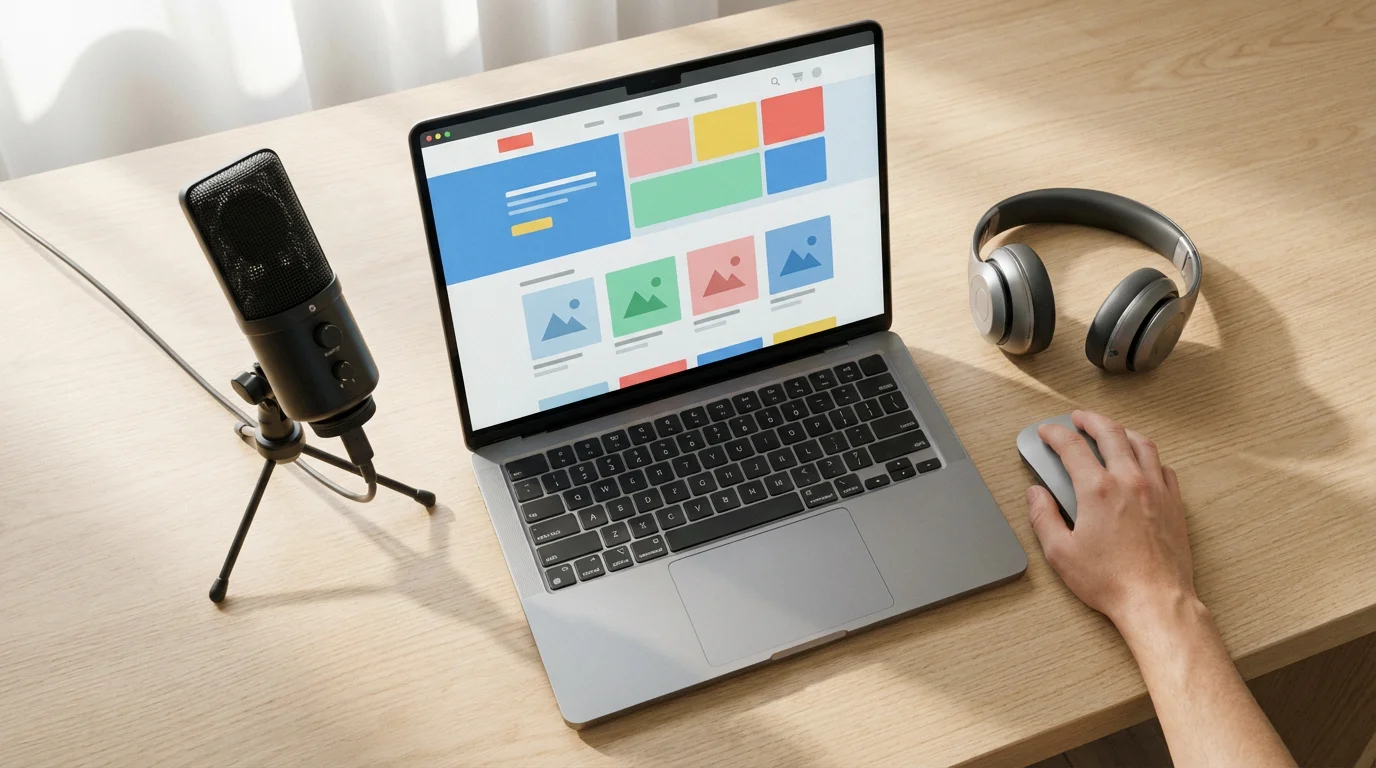
Website and App Testing
Companies need to know if their websites are user-friendly before they launch them. They pay regular people to record their screens and voices while they perform specific tasks, such as “find a pair of jeans in size medium and add them to the cart.”
How It Works
You sign up with platforms like UserTesting or Userlytics. When a test matches your demographic profile, you accept it. You will speak your thoughts out loud as you navigate the site (e.g., “I’m looking for the search bar, but I can’t find it… oh, it’s at the bottom.”).
Why It Fits Introverts
Although you are speaking, you are talking to a computer screen, not a person. There is no two-way conversation. You complete the task, upload the video, and get paid (usually around $10 for a 20-minute test).

Side Hustle Comparison: Income vs. Interaction
Choosing the right hustle involves balancing potential earnings with the level of social energy required. The table below outlines common options.
| Side Hustle | Est. Hourly Earnings | Social Interaction Level | Barrier to Entry |
|---|---|---|---|
| Freelance Writing | $20 – $100+ | Low (Email) | Medium (Portfolio needed) |
| Bookkeeping | $30 – $60 | Low (Email/Monthly call) | High (Skills/Software) |
| Delivery Driving | $15 – $25 | Very Low (Contactless) | Low (Vehicle/License) |
| User Testing | $10 – $30 | None (Recorded solo) | Low (Microphone/Laptop) |
| Data Entry | $12 – $18 | None | Low (Typing speed) |
| Pet Sitting | $15 – $40 | Low (Meet & Greet) | Low (Trust/Profile) |

Understanding Taxes and Regulations
When you start a side hustle, you generally become a sole proprietor in the eyes of the government. This means no taxes are withheld from your paycheck, and you are responsible for paying them yourself.
Self-Employment Tax
According to the Internal Revenue Service (IRS), if you earn more than $400 in net earnings from self-employment, you must file a tax return. You are responsible for the self-employment tax (Social Security and Medicare), which is 15.3% of your net earnings, in addition to your regular income tax.
Reporting Income
Even if you do not receive a formal tax form (like a 1099-NEC or 1099-K) from a platform or client, you are legally required to report all income you earn. Keeping accurate records of every dollar earned and every business expense (like software subscriptions or mileage) is vital. A good rule of thumb is to set aside 25% to 30% of your side hustle income in a separate savings account to cover tax season.

Common Pitfalls and Scams to Avoid
The desire for “quiet, remote work” makes introverts a target for scammers. Predatory listings often promise high pay for little effort.
Red Flags
- Paying to Work: Legitimate employers or clients pay you; you do not pay them. According to the Federal Trade Commission (FTC), if a job requires you to pay a “startup fee,” “training fee,” or buy a “starter kit,” it is likely a scam.
- Check Overpayment Scams: A client sends you a check for more than your fee and asks you to wire the difference back to them or pay a third party. The check will eventually bounce, and you will be out the money you wired.
- Communication off Platform: If you are using a site like Upwork or Fiverr, be wary of clients who immediately ask to communicate via Telegram or WhatsApp. This is often a tactic to lure you away from the platform’s safety protections.

When to Consult a Financial Professional
While many side hustles are straightforward, certain situations require expert guidance to ensure you are protected and compliant. Consider seeking professional help in the following scenarios:
- Complex Tax Situations: If your side hustle grows significantly or involves inventory, depreciation of assets, or interstate commerce, a Certified Public Accountant (CPA) can help you maximize deductions and avoid IRS penalties.
- Business Structure: If you are considering forming an LLC or S-Corp to protect your personal assets, consult a legal professional or tax advisor.
- Debt Management: If you are starting a side hustle specifically to manage overwhelming debt, consider speaking with a non-profit credit counselor first. The National Foundation for Credit Counseling (NFCC) provides legitimate, low-cost assistance.
- Retirement Planning: If you want to use your side hustle income to fund a Solo 401(k) or SEP IRA, a Certified Financial Planner (CFP) can help you set this up correctly.
Professional advice provides a safety net that DIY research cannot always offer. You can find certified professionals through the Certified Financial Planner Board.
Frequently Asked Questions
Do I need an LLC to start a side hustle?
No, you do not need an LLC to start. You can operate as a sole proprietor, which is the default status for individuals. However, an LLC provides liability protection, separating your personal assets from your business risks. Investopedia notes that while an LLC offers legal protection, it does not change your federal tax treatment unless you elect otherwise.
How do I avoid burnout with a full-time job and a side hustle?
Start small. Dedicate just 3-5 hours a week to your side hustle initially. As an introvert, ensure you schedule downtime where you are doing nothing productive to recharge your batteries. Choose a hustle that uses different energy than your day job; if you stare at spreadsheets all day, try dog walking rather than data entry.
Will a side hustle affect my unemployment benefits?
Yes, it likely will. You generally must report all earnings to your state’s unemployment office. Making money from a side gig may reduce your weekly benefit amount, but it usually extends the duration of your claim. Failing to report income is considered fraud. Check your state’s specific labor department guidelines.
What is the lowest cost side hustle to start?
Service-based digital hustles often have zero startup costs. Freelance writing, proofreading, and data entry typically only require a computer and internet connection, which you likely already possess. Avoid hustles that require buying inventory (like reselling) until you have built up capital.
When should I consult a professional about my side hustle?
You should consult a tax professional if you earn significant income (generally over $10,000), if you have business losses you want to deduct, or if you plan to hire employees. Legal advice is recommended if your work involves high liability risks, such as childcare or handling sensitive client data.
Are there risks to using gig apps like DoorDash or Rover?
Yes. The primary financial risk is wear and tear on your vehicle for delivery apps, which may not be fully covered by the pay. For pet sitting, there is liability risk if a pet is injured or causes damage. Always check if the platform provides insurance and what the deductibles are.
Last updated: January 2026. Information accurate as of publication date. Financial regulations, rates, and programs change frequently—verify current details with official sources.
This article was reviewed for accuracy by our editorial team.
For trusted financial guidance, visit
Kiplinger,
Forbes Advisor,
Money.com and
Consumer Financial Protection Bureau (CFPB).
Important: EasyMoneyPlace.com provides educational content only. We are not licensed financial advisors, tax professionals, or registered investment advisers. This content does not constitute personalized financial, tax, or legal advice. Laws and regulations change frequently—verify current information with official sources.
Disclaimer: This article is for informational purposes only and does not constitute financial, tax, or legal advice. Individual financial situations vary, and we encourage readers to consult with qualified professionals for personalized guidance. For those experiencing financial hardship, free counseling is available through the National Foundation for Credit Counseling.








Leave a Reply