
You have seen the advertisements. They promise financial freedom, the ability to “be your own boss,” and the flexibility to work whenever you want. For many Americans looking to bridge a gap in their budget, pay off credit card debt, or save for a family vacation, driving for Uber or Lyft seems like the perfect solution.
But does the math actually work in your favor? The gig economy is complex. While the gross pay might look attractive on a Saturday night, the net profit—what you actually keep after gas, wear and tear, and taxes—tell a different story. To make rideshare driving worth your time, you need to treat it like a business, not just a way to pass the time.
This guide cuts through the marketing hype to look at the real numbers, the hidden costs, and the strategies savvy drivers use to stay profitable.
Audience Scope: This guide is for U.S. residents considering rideshare driving as a side hustle or primary income source using a personal vehicle. If you have complex circumstances such as commercial fleet ownership, significant tax liabilities, or legal residency concerns, we recommend consulting with a qualified financial or legal professional.

Key Takeaways
- Gross Revenue ≠ Net Income: Your “hourly rate” is meaningless until you deduct fuel, depreciation, maintenance, and self-employment taxes.
- Depreciation is the Silent Killer: The biggest cost of driving is the value your car loses with every mile, which isn’t immediately visible in your bank account.
- Strategy Matters: Profitable drivers don’t just turn the app on; they maximize earnings through surge pricing, bonuses, and knowing their specific market.
- Tax Responsibilities: As an independent contractor, no taxes are withheld from your pay. You are responsible for setting aside money for the IRS and filing quarterly estimates.
- Insurance Gaps: Personal auto insurance typically does not cover commercial activity. You likely need a “rideshare endorsement” to be fully protected.

The Reality of Rideshare Earnings
When you open a rideshare app, you might see claims of drivers making $25 to $35 an hour. While this is possible during peak times in busy cities, it represents “gross revenue,” not profit. As an independent contractor, you are the business owner. That means every expense comes directly out of your pocket.
To understand if driving is worth it, you must calculate your Net Earnings Per Hour. The formula is simple:
(Total Payout + Tips) – (Gas + Maintenance + Depreciation + Taxes) ÷ Hours Worked = True Hourly Wage
According to the Federal Trade Commission (FTC), gig economy platforms must be truthful about earnings claims, but averages can be misleading. A driver in downtown Chicago on a Friday night faces a completely different financial reality than a driver in a rural suburb on a Tuesday afternoon.
Many new drivers look only at the cash deposit hitting their bank account each week. This is dangerous because it ignores expenses that occur later, like buying new tires or paying a large tax bill in April. If you earn $1,000 in a week but rack up $300 in immediate costs and $200 in long-term vehicle depreciation, your actual take-home pay is $500. Divided by a 40-hour week, that drops your wage significantly.

Uber vs. Lyft: A Direct Comparison
The two giants of the industry, Uber and Lyft, dominate the market. While they function similarly, there are nuances that might make one better for your specific situation. Many experienced drivers, often called “multi-appers,” drive for both to minimize downtime.
Before committing, it is worth comparing these figures to how much you can really make with food delivery apps to see which platform fits your vehicle’s efficiency better.
| Feature | Uber | Lyft |
|---|---|---|
| Market Share | Larger global and domestic footprint; generally higher ride volume in most cities. | Strong presence in U.S. cities; often viewed as the “friendlier” alternative. |
| Driver Requirements | Strict vehicle age limits (varies by city); background check; valid license/insurance. | Strict vehicle age limits; background check; sometimes stricter on DMV records. |
| Pay Structure | Base fare + time + distance. “Surge” pricing multiplies fares during high demand. | Base fare + time + distance. “Bonus Zones” offer flat-rate bonuses during high demand. |
| App Features | Robust navigation; detailed earnings breakdown; “Quest” bonuses for ride counts. | Clean interface; “Streak” bonuses for accepting consecutive rides; generally simpler to use. |
| Payout Options | Weekly deposit or “Instant Pay” (small fee) to debit card. | Weekly deposit or “Lyft Direct” (immediate payout to specialized debit card). |
Choosing between them often comes down to your local market. In some cities, Uber requests are non-stop, while Lyft is quiet. In others, Lyft offers better incentives to attract drivers. The best strategy is to sign up for both, test your local market, and see which platform keeps your wheels moving.

The Hidden Costs of Driving
If you only track money coming in, you will eventually run into financial trouble. The costs of operating a vehicle for commercial purposes are higher than you might expect. Consumer Reports frequently highlights that maintenance costs increase significantly as vehicles age, a factor high-mileage drivers must plan for.
If you find that the maintenance costs of active driving are too high, you might consider renting out your car as a more passive alternative to monetize your vehicle.
1. Depreciation
This is the silent budget killer. Every mile you drive lowers the resale value of your car. If you drive a newer car, this cost is steep. For example, adding 30,000 miles to a car in one year can drop its resale value by thousands of dollars. You are essentially “selling” the value of your car for cash now.
2. Fuel and Energy
Gas is your most immediate expense. While electric vehicle (EV) drivers save on fuel, they must factor in charging costs and battery degradation. If you drive a gas guzzler getting 18 miles per gallon, it is nearly impossible to make a significant profit. Ideally, rideshare vehicles should be hybrids or high-efficiency compact cars.
3. Maintenance and Repairs
Rideshare miles are “hard” miles. Stop-and-go city traffic wears down brakes, tires, and suspension faster than highway driving. You will need oil changes more frequently—perhaps once a month if you drive full-time. You must budget roughly 10% of your gross earnings for future repairs.

Tax Implications for Rideshare Drivers
Taxes catch many new drivers off guard. Unlike a W-2 job where your employer removes taxes before you get your paycheck, Uber and Lyft pay you the full amount. You are responsible for paying the IRS later.
According to the Internal Revenue Service (IRS), gig economy workers are considered self-employed. This triggers two main types of tax liability:
- Income Tax: Based on your total profit and your tax bracket.
- Self-Employment Tax: A 15.3% tax covering Social Security and Medicare. In a traditional job, your employer pays half of this. As a rideshare driver, you pay both halves.
The Power of Deductions
The good news is that you only pay taxes on your profit, not your total revenue. You can deduct business expenses to lower your taxable income. The most common method is the Standard Mileage Rate. For every business mile you drive (picking up a passenger, driving them to the destination, and driving between rides), the IRS allows you to deduct a specific amount (67 cents per mile for 2024, subject to annual change).
You must keep a meticulous log of your mileage. While the apps track miles while you have a passenger, they often miss the miles you drive to get to a surge zone or return home. Apps like Stride or MileIQ can help automate this tracking.

Insurance: The Gap You Need to Mind
One of the biggest risks in rideshare driving is driving underinsured. Your personal auto insurance policy likely excludes “business use” or “livery.” If you get into an accident while the app is on, your personal insurer may deny the claim and even cancel your policy.
If the constant social interaction of rideshare driving feels draining, you might prefer side hustles for introverts that allow you to earn extra cash in a more solitary environment.
Rideshare companies provide insurance, but it works in phases:
- Period 1 (App on, waiting for a ride): The platform provides very low liability coverage. Your car is typically not covered for collision damage.
- Period 2 (En route to pickup) & Period 3 (Passenger in car): The platform provides full commercial coverage, usually with a high deductible (often $2,500).
The danger zone is Period 1. To protect yourself, you should purchase a Rideshare Endorsement (or “Rideshare Gap Coverage”) from your personal insurance provider. This extends your personal coverage to fill the gaps left by Uber or Lyft. It is usually an affordable add-on, costing $10 to $20 per month, but it is essential for financial safety.
Strategies to Maximize Earnings
Successful drivers don’t rely on luck. They treat driving as a strategic game. Here are proven ways to increase your hourly rate.
If you are using these hours to supplement a 9-to-5, review our guide on how to balance a side hustle with a full-time job to maximize your efficiency without burnout.
1. Drive During Peak Hours
Demand is highest during the morning commute (6:00 AM – 9:00 AM) and evening social hours (Friday and Saturday nights). Driving on a Tuesday at 11:00 AM will rarely yield high earnings. Align your schedule with when people need rides.
2. Chase Bonuses, Not Just Surge
Both Uber and Lyft offer “Quests” or challenges, such as “Complete 50 rides this weekend for an extra $100.” These bonuses are often the difference between a minimum wage result and a lucrative week. Analyze the offers at the start of the week and plan your driving schedule to hit those targets.
3. Position Yourself Wisely
Don’t drive aimlessly while waiting for a ping. Park in a centralized location near hotels, business districts, or event centers. Driving around an empty suburb wastes gas. Use the passenger app to see where other drivers are located; if you see a cluster of eight cars at the airport, go somewhere else to reduce competition.
4. Keep the Car Clean
Tips can make up 10% to 20% of your income. A clean car, a phone charger available for passengers, and a polite greeting are the easiest ways to secure higher ratings and better tips.
Safety and Security Considerations
Your safety is more important than any fare. Driving strangers in your personal vehicle carries inherent risks. Investopedia notes that while gig economy flexibility is great, the lack of employer oversight on safety puts the burden on the independent contractor.
If the social interaction and safety risks of rideshare driving feel overwhelming, there are many side hustles for introverts that allow you to earn extra cash in a more solitary environment.
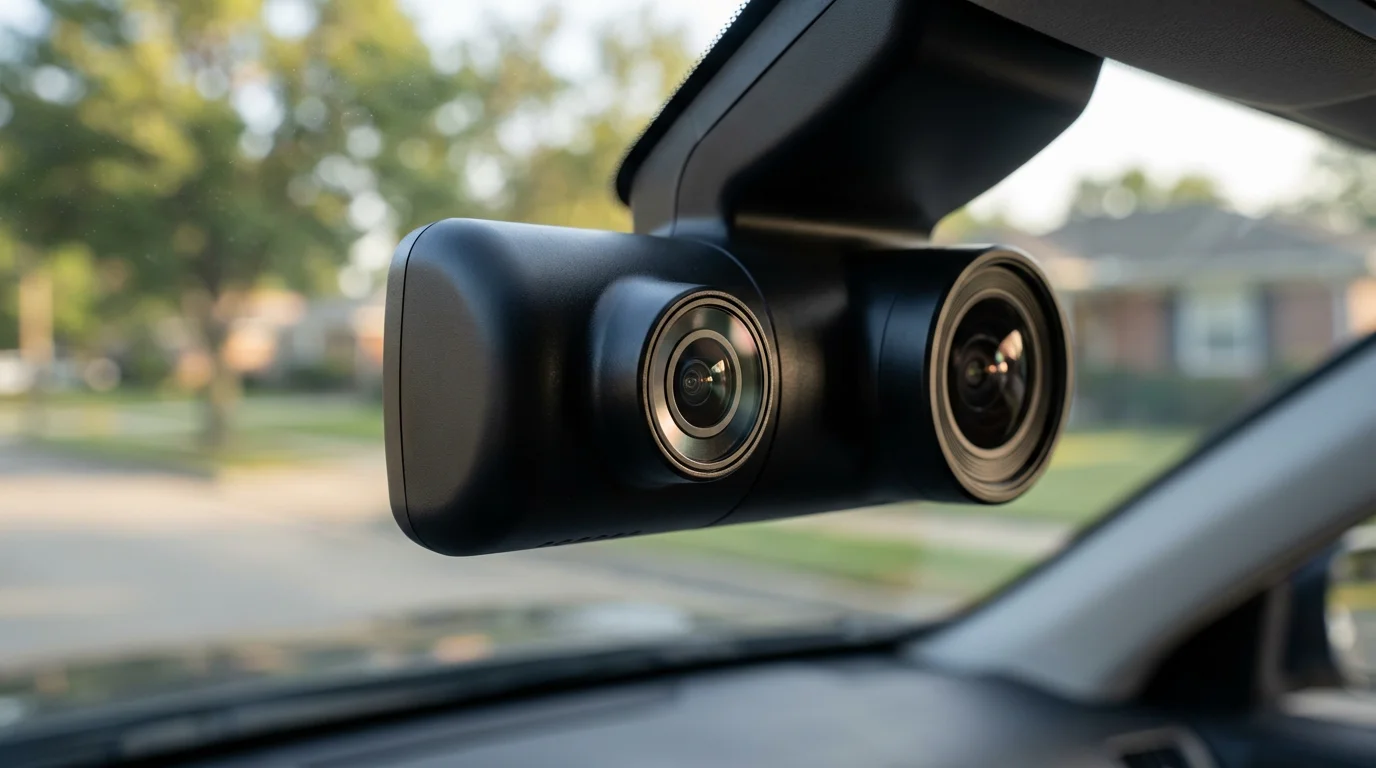
Invest in a Dash Cam: A dual-lens dash cam that records both the road and the interior of the car is your best witness. It deters bad behavior from passengers and provides crucial evidence in the event of an accident or a false accusation.
Trust Your Instincts: You are an independent contractor, meaning you have the right to refuse service. If a passenger seems overly intoxicated, aggressive, or makes you feel unsafe upon arrival, do not unlock the doors. Cancel the ride and move on. No cancellation fee is worth your safety.

Common Pitfalls to Avoid
New drivers often make mistakes that cost them money. Avoid these errors to keep your business profitable.
Managing your time effectively is crucial; check out our guide on how to balance a side hustle with a full-time job to ensure you don’t burn out while driving.
- Chasing Long Pickups: If the app asks you to drive 15 minutes to pick up a passenger for a 5-minute ride, you will likely lose money on that trip. Learn to decline rides that aren’t geographically logical.
- Ignoring Small Expenses: Buying a $3 coffee and a $5 snack every shift eats into your profit margins. Pack water and snacks from home.
- Driving a Gas Guzzler: If you drive a large SUV or truck that doesn’t qualify for “XL” or “Black” fare classes, your fuel costs will devour your earnings.
- Failing to Save for Taxes: Spending every dollar you earn immediately will lead to a panic when tax season arrives. Set aside 25% of your earnings into a separate high-yield savings account automatically.

When to Consult a Financial Professional
While many drivers manage their finances using apps and spreadsheets, certain situations require expert guidance. Attempting to DIY complex financial situations can lead to IRS penalties or missed opportunities.
You should consider seeking professional help if:
- You drive full-time: If rideshare is your sole source of income, tax planning and expense tracking become critical.
- You are considering forming an LLC: A CPA can help you decide if incorporating your driving business offers tax benefits or liability protection.
- You have significant debt: If you are driving solely to service high-interest debt, a credit counselor from the National Foundation for Credit Counseling (NFCC) can help you create a broader payoff plan.
- You are buying a car specifically for rideshare: Before taking out a loan, a financial advisor can help you determine if the ROI (Return on Investment) justifies the debt.
To find a qualified professional, look for a Certified Financial Planner (CFP) or a Certified Public Accountant (CPA) who has experience with gig economy workers and self-employment income.
Frequently Asked Questions
How much can I realistically make driving for Uber or Lyft?
While earnings vary wildly by location and time of day, many drivers average between $15 and $25 per hour before expenses. After accounting for gas, taxes, and depreciation, the net profit is often closer to $10 to $18 per hour. Highly strategic drivers in major metros can earn more, especially during peak seasons.
Is rideshare driving worth it as a full-time job?
For most people, rideshare driving is better suited as a side hustle than a full-time career. The lack of benefits (health insurance, 401k, paid time off) and the wear on your vehicle make it difficult to sustain long-term. However, it can serve as a powerful temporary bridge between jobs.
When should I consult a professional about my rideshare taxes?
You should consult a tax professional if you are unsure how to track expenses, if you have mixed income sources (W-2 and 1099), or if you anticipate owing more than $1,000 in taxes at the end of the year. According to the IRS, underpayment of estimated taxes can result in penalties.
What are the risks or limitations of using my personal car?
The primary risk is accelerated depreciation. You are converting your car’s value into cash. Additionally, if you fail to secure proper insurance, a single accident could lead to financial ruin. There is also the physical risk of repetitive driving strain and safety concerns dealing with the public.
Can I drive a rental car for Uber or Lyft?
Yes, both companies offer rental programs (often through partnerships with Hertz or Avis). While this saves your personal car from wear and tear, the weekly rental fees are high (often $250+). You must drive significantly more hours just to cover the rental cost before you start making a profit.
Does my credit score impact my ability to drive?
Generally, no. Uber and Lyft run background checks regarding criminal history and driving records, but they do not typically check credit scores for standard driver approval. However, having good credit is helpful if you need to finance a reliable vehicle to do the job.
What happens if I don’t report my income?
Uber and Lyft report your earnings to the IRS once you hit certain thresholds. Even if you don’t receive a 1099-K form, you are legally required to report all income. Failing to do so constitutes tax evasion and can lead to audits, fines, and interest payments.
Last updated: January 2026. Information accurate as of publication date. Financial regulations, rates, and programs change frequently—verify current details with official sources.
This article was reviewed for accuracy by our editorial team.
For trusted financial guidance, visit NerdWallet, Investopedia and Consumer Financial Protection Bureau (CFPB).
Important: EasyMoneyPlace.com provides educational content only. We are not licensed financial advisors, tax professionals, or registered investment advisers. This content does not constitute personalized financial, tax, or legal advice. Laws and regulations change frequently—verify current information with official sources.
Disclaimer: This article is for informational purposes only and does not constitute financial, tax, or legal advice. Individual financial situations vary, and we encourage readers to consult with qualified professionals for personalized guidance. For those experiencing financial hardship, free counseling is available through the National Foundation for Credit Counseling.









Leave a Reply