
You love animals. You likely spend your free time scrolling through photos of golden retrievers or watching cat videos. But what if that affection for four-legged friends could help pay off your credit card debt, fund a vacation, or build a robust emergency fund? Pet sitting and dog walking have exploded into a massive industry, offering a flexible, scalable way for everyday Americans to earn extra income.
Establishing a secondary income stream through pet care is a proactive step toward creating a financial safety net for your household.
Starting this business is a great way to turn your hobby into a side hustle if you already love spending time with animals.
This isn’t just about playing with puppies, though that is certainly a perk. It is a legitimate service business that requires trust, reliability, and organization. Whether you want to make an extra $200 a month walking neighborhood dogs or replace your full-time income by boarding pets in your home, the barrier to entry is low, but the responsibility is high.
Audience Scope: This guide is for U.S. residents looking to start a sole proprietorship or side hustle in the pet care industry. If you have complex circumstances such as existing business partnerships, high net worth liability concerns, or plans to hire multiple employees immediately, we recommend consulting with a qualified business attorney or tax professional.

Key Takeaways
- Low Barrier to Entry: You can start with zero upfront cost by using apps, or build an independent brand for higher profit margins.
- Trust is Your Currency: Success depends entirely on reliability and reviews; a single missed visit can ruin your reputation.
- Insurance is Mandatory: Never care for a stranger’s pet without liability insurance coverage to protect yourself from accidents or medical bills.
- Taxes Matter: You are an independent contractor, meaning you must set aside roughly 25-30% of your earnings for taxes.
- Scalability: You can start with walking and expand to house sitting, drop-in visits, and overnight boarding as you gain experience.
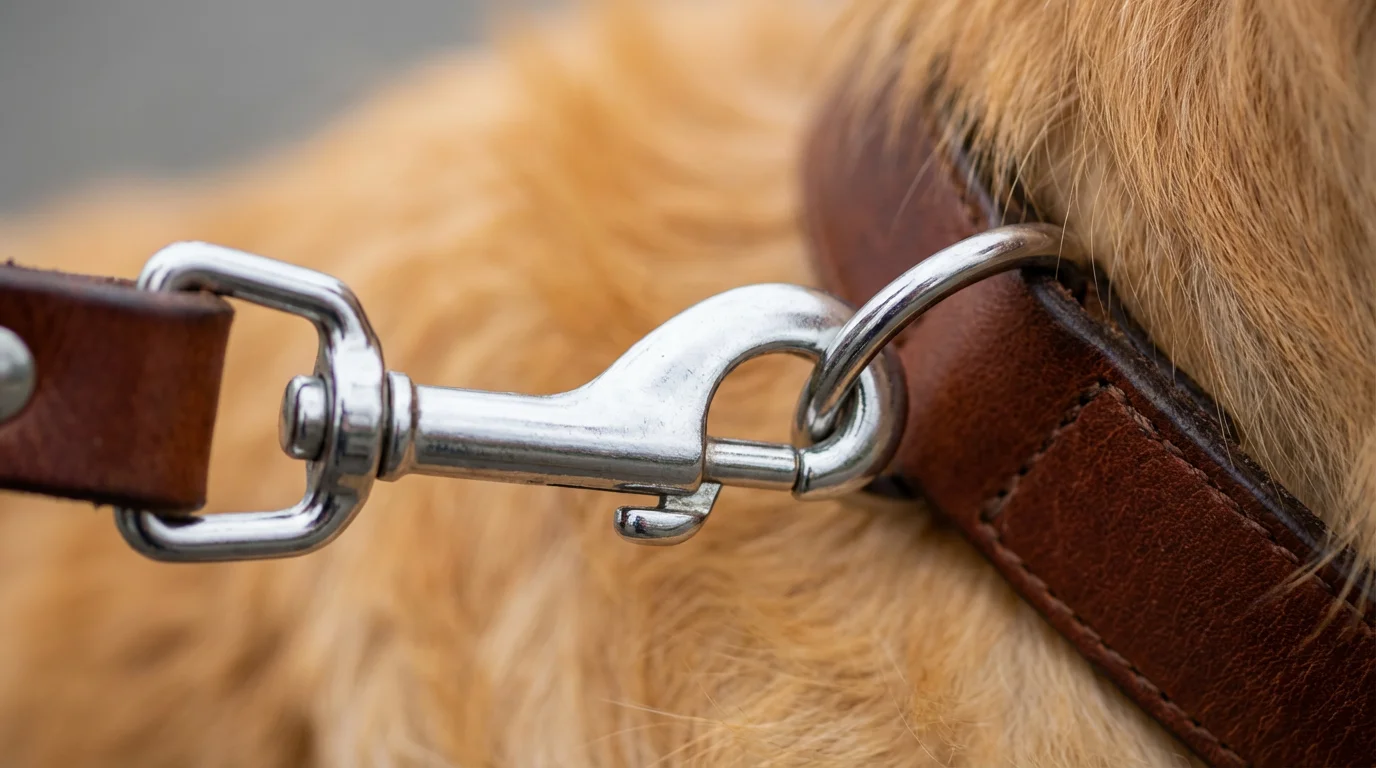
Why Choose a Pet Business?
The “gig economy” offers countless ways to make money, from delivering groceries to assembling furniture. However, pet sitting stands out for several specific reasons. First, the relationship you build with clients—both human and animal—often leads to long-term, recurring revenue. Unlike a ride-share driver who may never see a passenger again, a dog walker often sees the same dog three to five times a week for years.
If you prefer more passive options, you might look into renting out your car or home, but pet sitting offers a higher level of personal engagement.
Because travel spikes during vacation months, pet care is often considered one of the most reliable seasonal side hustles for people looking to boost their income.
Because you spend most of your working hours with animals rather than people, this is often ranked as one of the best side hustles for introverts.
Second, the demand is incredibly resilient. People treat their pets like children. Even during economic downturns, owners still need to work or travel, and they need someone trustworthy to care for their family members. According to Investopedia, the pet industry has historically been recession-resistant, as owners prioritize pet care even when cutting back elsewhere.
Finally, it gets you moving. If you work a sedentary office job, a side hustle that forces you to walk three miles a day provides a health benefit that sitting at a computer for freelance coding does not.

Apps vs. Going Independent
When you decide to start, you face a fork in the road: sign up for an established platform (like Rover or Wag!) or launch your own independent private business. Neither choice is wrong, but they serve different goals.
Moving from a platform to your own private clients is a major milestone in learning how to start freelancing as a serious professional.
Using the Apps
Platforms like Rover and Wag! act as intermediaries. They handle the marketing, payment processing, and basic background checks. In exchange, they take a percentage of your earnings—often between 20% and 40%.
The primary advantage here is speed. You can create a profile today and potentially get a booking request tomorrow. The platform brings the clients to you. However, you have less control over your business terms, and the platform “owns” the client relationship.
Going Independent
Starting your own private business means you keep 100% of the profit. You set your own policies, create your own contracts, and build an asset you truly own. The downside is that you must find your own clients, handle your own billing, and purchase your own private insurance.
| Feature | App-Based (Rover/Wag) | Private Independent Business |
|---|---|---|
| Startup Cost | Low (Profile setup fee may apply) | Moderate (Insurance, marketing, software) |
| Fees | High (20-40% of earnings) | Low (Credit card processing ~3%) |
| Insurance | Often included (with limitations) | Must purchase separately ($200-$400/year) |
| Marketing | Done for you | 100% your responsibility |
| Payment Speed | 2-3 days after service | Immediate or per your terms |

Setting Up the Logistics
If you choose to go independent—or even if you use apps but want to be professional—you need to treat this like a real business, not a hobby. This mindset shift is critical for protection and profitability.
Much like becoming a remote notary, launching a pet care business requires specific attention to legal details and professional standards.
Legal Structure and Insurance
For most solo pet sitters, operating as a Sole Proprietorship is the default. You generally do not need to file special paperwork to be a sole proprietor, though you may need to register a “Doing Business As” (DBA) name with your local county clerk if you operate under a name other than your own.
Crucial Step: You must get pet sitting insurance. If a dog you are walking bites a cyclist, or if a cat swallows a toy while in your care, the financial liability can be devastating. General liability policies for pet sitters are affordable—typically costing between $200 and $400 per year. NerdWallet suggests comparing quotes from multiple small business insurance providers to find coverage that specifically includes “care, custody, and control” of the animals.
The Gear You Need
Don’t show up empty-handed. A professional dog walker should carry:
- Heavy-duty poop bags: Buy in bulk to save money.
- Spare slip lead: Collars break. Be prepared.
- Pet first aid kit: Include styptic powder, bandages, and tweezers for ticks/thorns.
- Portable charger: Your phone is your lifeline for maps and communicating with owners.
- Treat pouch: High-value treats (ask owners about allergies first) help with behavior management.

Defining Services and Rates
One of the biggest mistakes new sitters make is underpricing their services. When you set your price at $15 for a walk, remember that you are also paying for travel time, gas, taxes, and insurance. If the walk is 30 minutes, but the drive is 15 minutes each way, you are spending an hour of time for that fee. After taxes and gas, you might be making less than minimum wage.
Because demand peaks during travel seasons, pet care is often ranked among the most profitable summer side hustles for students and teachers.
Common Service Types
- Dog Walking: Usually 30 or 60 minutes. Great for consistent midday income.
- Drop-In Visits: Feeding cats, scooping litter, or letting dogs out in the yard.
- House Sitting: Staying overnight at the client’s home. Premium service for owners who don’t want to board their pets.
- Boarding: Hosting pets in your own home. (Note: This requires checking your lease, HOA rules, and local zoning laws).
How to Price Competitively
Research your local market. Look at Rover or local business websites to see what others charge. As a beginner, you might price slightly lower to gain reviews, but do not race to the bottom. Low prices often attract difficult clients who do not value your time. Aim for the median price in your area.
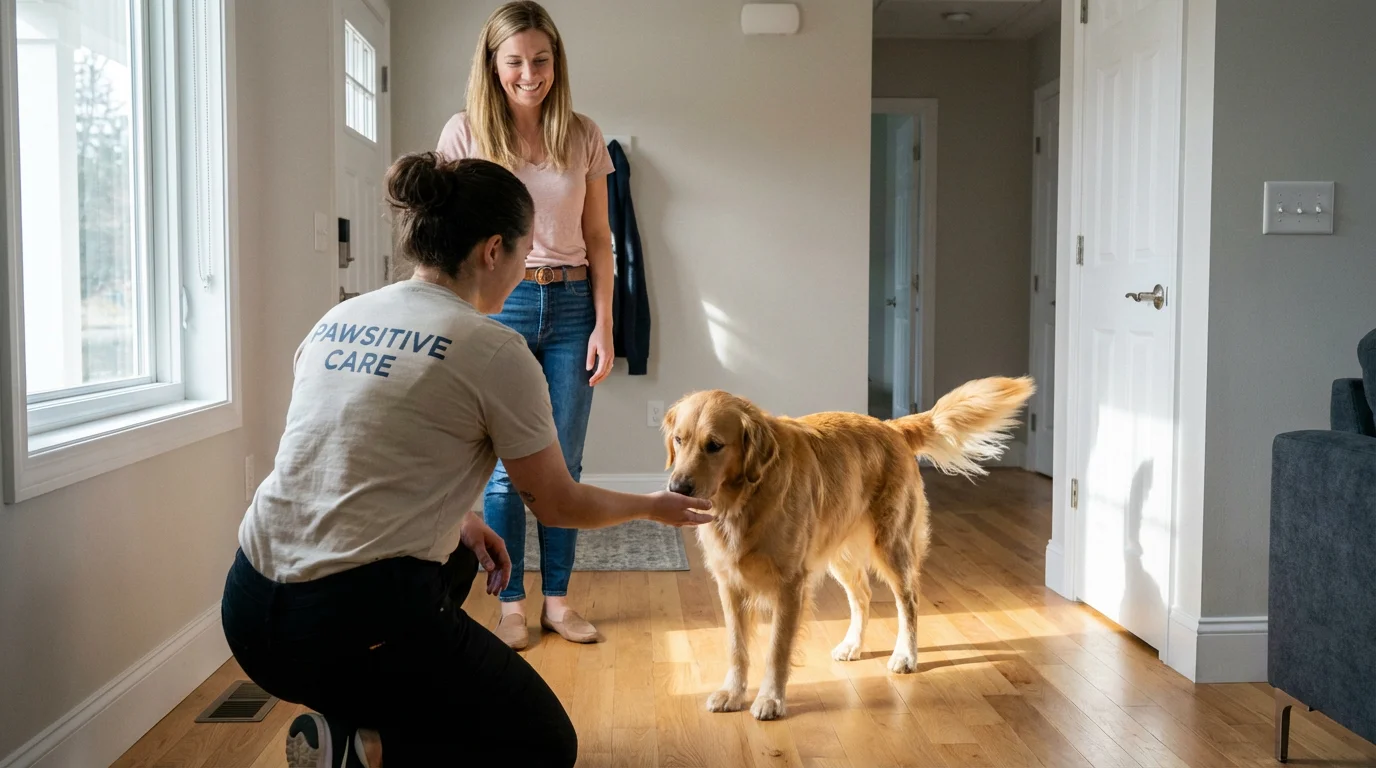
Mastering the Meet and Greet
Before you ever clip a leash on a dog, you must perform a “Meet and Greet.” This is a free consultation where you go to the client’s home to meet the pet and the owner. This step is non-negotiable for safety.
During this meeting, observe the animal’s behavior. Is the dog aggressive? Does it jump excessively? Is the owner transparent about the pet’s quirks? If your gut tells you something is off, decline the booking. No amount of money is worth a dog bite.
“Trust your instincts. If a dog seems unpredictable or an owner seems disrespectful of your boundaries during the interview, they will be ten times worse when you are actually working.”
Ask specific questions regarding triggers: “How does he react to other dogs on walks?” “Does she guard her food?” “Is he afraid of thunderstorms?” These details help you manage risk.

Managing the Money
When you get paid by a client or an app, that money is not all yours to keep. The U.S. tax system operates on a “pay-as-you-go” basis, but as a freelancer, no employer is withholding taxes for you.
When managed correctly, these extra earnings can provide the breathing room needed for breaking the paycheck-to-paycheck cycle for good.
Taxes and the IRS
According to the Internal Revenue Service (IRS), if you earn $400 or more from self-employment, you must file a tax return. You are responsible for both income tax and self-employment tax (which covers Social Security and Medicare). A safe rule of thumb is to set aside 25% to 30% of every payment into a separate savings account.
Tracking Expenses
You can lower your taxable income by deducting legitimate business expenses. This includes the cost of poop bags, treats, your insurance premium, and potentially a portion of your mileage if you drive to clients’ homes. Keep every receipt. The Consumer Financial Protection Bureau (CFPB) recommends keeping your business and personal finances separate—open a dedicated checking account for your pet business to make tracking easier.

Safety and Liability Essentials
Working with animals involves inherent unpredictability. A squirrel runs across the street, a gate is left unlatched by a gardener, or a dog eats something toxic on a walk. Your preparation determines the outcome.
The “What If” Protocols
Develop a protocol for emergencies before they happen. Ask every client for:
- Veterinary Information: Name, address, and a credit card on file at the vet.
- Emergency Contact: Someone local who can make decisions if the owner is in a different time zone.
- Home Access: A backup key or code in case the primary one fails.
Always double-check gates and doors. When entering a home, block the opening with your leg to prevent a “door dasher” from escaping. Never let a dog off-leash in an unfenced area, regardless of how well-trained the owner claims they are.

Marketing Strategies on a Budget
If you are not using an app, you need to hunt for clients. Fortunately, pet sitting is a hyper-local business. You don’t need to market to the whole city, just your specific neighborhood.
Nextdoor and Local Facebook Groups: These are gold mines. Introduce yourself as a neighbor, not a faceless corporation. Post a photo of yourself with a dog, explain your experience, and offer a link to your website or profile. Be helpful in these groups—if someone asks for a trainer recommendation (and you aren’t one), refer them to a good local trainer. Being a helpful resource builds trust.
The Power of Branding: Wear a t-shirt with “DOG WALKER” on the back while you are working. Carry business cards. People will stop you on the street to ask for your card if they see you handling a dog well.

Common Pitfalls to Avoid
Even with the best intentions, new sitters can stumble. Awareness is your best defense.
Burnout
It is tempting to say “yes” to every request, especially when you need the money. However, walking 10 miles a day or working 21 days straight without a break will lead to physical and mental exhaustion. Schedule days off. A tired handler makes mistakes, and mistakes in this line of work can be dangerous.
Taking “Project” Dogs
Unless you are a certified trainer, avoid taking on dogs with severe behavioral issues. Leash aggression, separation anxiety that leads to property destruction, or biting history are beyond the scope of a standard pet sitter. Refer these cases to behaviorists.
Lack of Contracts
According to the Federal Trade Commission (FTC), clear disclosure is key in business dealings. Always have a signed service agreement. This document should outline your cancellation policy, payment terms, and veterinary release authorization. If a client cancels the morning of a holiday booking, you should still be paid—but only if your contract says so.

When to Consult a Financial Professional
While many people start pet sitting as a DIY side hustle, there are specific moments when professional guidance is necessary to protect your assets and future.
- Business Structure: If you plan to hire employees or have significant personal assets to protect, consult a CPA or business attorney about forming an LLC rather than a Sole Proprietorship.
- Tax Complexity: If your side hustle income exceeds your W-2 income, or if you are unsure about estimated quarterly tax payments, a consultation with a tax professional is highly recommended to avoid penalties from the IRS.
- Liability Concerns: If an incident occurs—such as a dog biting a third party while in your care—contact a lawyer immediately before speaking to insurance adjusters.
You can find qualified professionals through organizations like the Certified Financial Planner Board for financial planning or the National Foundation for Credit Counseling if you are using this income to manage overwhelming debt.
Frequently Asked Questions
Do I need a business license to walk dogs?
In many jurisdictions, yes. Even as a sole proprietor, your city or county may require a general business license. Check with your local city hall or chamber of commerce. Operating without one can lead to fines.
How much money can I realistically make?
Income varies wildly by location and effort. A casual walker might make $200–$500 a month. A full-time pet sitter in a major metro area offering boarding and daily walks can gross $40,000 to $60,000+ annually. However, remember that gross revenue is not net profit.
When should I consult a professional about my pet business?
You should seek professional help if you are sued, if you are audited, or if you decide to hire staff. Hiring employees introduces complex labor laws, workers’ compensation requirements, and payroll taxes that are difficult to manage without an accountant or payroll specialist.
What if a pet gets sick in my care?
Immediate action is required. Contact the owner and the vet listed in your intake forms. If you cannot reach the owner, your service agreement should authorize you to seek emergency care up to a certain dollar amount. This is why having a signed contract is vital.
Is Rover or Wag better than going private?
Apps are better for beginners who need clients fast and don’t want to handle marketing or payments. Going private is better for experienced sitters who want to maximize profit margins and build a sellable asset. Many sitters start on apps and transition to private clients over time (honoring the app’s terms of service regarding taking clients off-platform).
What are the risks or limitations of this side hustle?
The work is physically demanding and happens in all weather conditions—rain, snow, or heat. There is also the risk of personal injury from jumping or biting dogs. Furthermore, income is variable; you don’t get paid when clients go on vacation or don’t need you.
Do I have to pay taxes on cash tips?
Yes. According to the IRS, all income, including cash tips, must be reported on your tax return. Failure to report income is tax evasion.
Starting a pet sitting business is a rewarding way to take control of your financial life. It requires grit, responsibility, and a genuine love for animals. By treating it with the professionalism of a CEO, you can turn a walk in the park into a profitable venture.
Last updated: January 2026. Information accurate as of publication date. Financial regulations, rates, and programs change frequently—verify current details with official sources.
This article was reviewed for accuracy by our editorial team.
For trusted financial guidance, visit
Federal Trade Commission (FTC),
Federal Deposit Insurance Corporation (FDIC),
Securities and Exchange Commission (SEC) and
USA.gov Benefits.
Important: EasyMoneyPlace.com provides educational content only. We are not licensed financial advisors, tax professionals, or registered investment advisers. This content does not constitute personalized financial, tax, or legal advice. Laws and regulations change frequently—verify current information with official sources.
Disclaimer: This article is for informational purposes only and does not constitute financial, tax, or legal advice. Individual financial situations vary, and we encourage readers to consult with qualified professionals for personalized guidance. For those experiencing financial hardship, free counseling is available through the National Foundation for Credit Counseling.









Leave a Reply