
Traveling the world often feels like an expensive luxury reserved for the wealthy or the retired. However, a growing number of savvy travelers utilize house sitting to eliminate their biggest travel expense: lodging. This educational guide provides general information for U.S. residents learning about house sitting as a travel side hustle. The strategies and concepts discussed here are for educational purposes and may not apply to your specific situation. Everyone’s financial circumstances are unique—factors like income, debt levels, family situation, tax bracket, and financial goals all affect which approaches might work best. For personalized advice tailored to your situation, we recommend consulting with a qualified financial professional such as a Certified Financial Planner (CFP) or CPA.

Key Takeaways
- Substantial Savings: House sitting can eliminate 100% of your accommodation costs, which often make up the largest portion of a travel budget.
- Exchange vs. Paid: Understand the difference between “exchange” sitting (staying for free in exchange for care) and “professional” sitting (receiving a daily fee).
- E-E-A-T for Sitters: Success in this field depends on building trust through verified reviews, background checks, and a professional-grade profile.
- Financial Responsibility: You must treat house sitting as a job, not just a vacation, especially when managing pet care and home security.
- Tax Implications: If you earn money through house sitting jobs, the IRS considers this taxable income, requiring careful record-keeping.

Understanding the House Sitting Market
House sitting is a service where you stay in someone’s home while they are away. In exchange for free accommodation (and sometimes a fee), you perform various duties such as caring for pets, watering plants, collecting mail, and maintaining the security of the property. This arrangement provides homeowners with peace of mind and allows their pets to stay in a familiar environment rather than a kennel.
For you, the sitter, the primary benefit is the ability to live like a local in diverse locations without the high price tag of hotels or short-term rentals. Whether you want to explore the Pacific Northwest or spend a month in a coastal village in Florida, house sitting creates a pathway to travel that aligns with strict budgeting goals. Many people use this as a travel side hustle, using the money saved on rent to build their emergency fund or invest in their retirement.
According to the Bureau of Labor Statistics 2023 Consumer Expenditure Survey, the average U.S. household spent approximately $3,458 on travel-related expenses annually, with lodging and transportation taking the lion’s share. By removing the cost of lodging, you can significantly reduce your annual expenditures or extend your travel duration. This aligns with the philosophy of focusing your spending on what truly matters to you while cutting costs elsewhere.
“Spend extravagantly on the things you love, and cut costs mercilessly on the things you don’t.” — Ramit Sethi, Author of “I Will Teach You To Be Rich”

The Economics of House Sitting
Before diving in, you must evaluate the financial reality of house sitting. While the “free” stay is a major draw, the endeavor is rarely entirely cost-free. You must account for travel to the location, food, and often, membership fees for house-sitting platforms. There are two primary models in the house-sitting world:
- The Mutual Exchange Model: This is the most common form for beginners. No money changes hands between the homeowner and the sitter. You get a free place to stay, and the homeowner gets free pet and home care. This is ideal for those looking to save money on vacation costs.
- The Professional Paid Model: Professional house sitters often charge a daily rate. This is more common for sitters with specialized skills—such as those trained in administering animal medications or managing luxury estates with complex security systems. Fees can range from $25 to $100 per night, depending on the number of pets and the scope of work.
When you view house sitting through a financial lens, the ROI (return on investment) can be impressive. Consider a two-week stay in a major city like New York or San Francisco. A decent hotel or rental might cost $200 per night, totaling $2,800. A house sitting platform membership might cost $100 to $150 per year. By paying that one-time fee, you unlock thousands of dollars in potential savings.
However, the Federal Reserve’s 2023 Report on the Economic Well-Being of U.S. Households notes that many Americans find themselves in the gig economy to supplement their income. If you pursue paid house sitting as a professional house sitter, you must factor in the costs of self-employment, including insurance and taxes. We will cover these details in later sections.

Finding House Sitting Jobs
Most house sitting jobs are found through specialized online marketplaces. These platforms act as a bridge between homeowners and sitters, providing a layer of security through verified profiles and reviews. Choosing the right platform depends on your travel goals—whether you want to stay within the United States or explore international destinations.
| Platform Name | Best For… | Approximate Annual Cost | Key Feature |
|---|---|---|---|
| TrustedHousesitters | Global opportunities | $129 – $259 | Large volume of listings; includes insurance. |
| HouseSittersAmerica | United States only | $49 | Highly focused on domestic U.S. sits. |
| Nomador | Europe and International | $35 – $99 | Strong presence in France and Europe. |
| MindMyHouse | Budget-conscious sitters | $29 | One of the most affordable global options. |
When selecting a platform, consider the cost of entry versus the number of available listings in your desired areas. While $129 might seem steep, it represents only a fraction of what you would pay for a single night in a hotel. Treat this as a business expense for your travel side hustle.

Creating a Winning Profile
Your profile is your resume in the world of house sitting. Homeowners are not just looking for someone to occupy their space; they are looking for someone they can trust with their most valuable assets—their home and their pets. You must project reliability, experience, and a genuine love for animals.
To create a profile that stands out, use high-quality photos. Include pictures of you interacting with animals, as this provides visual proof of your comfort with pets. Write a biography that emphasizes your responsibility. If you have ever owned a home, mention it; homeowners often feel more comfortable with sitters who understand the maintenance requirements of a property.
References are the most critical component of your profile. If you are a beginner, you may not have “house sitting” references yet. You can bridge this gap by using character references from employers, landlords, or people for whom you have pet-sat in the past. Always aim for transparency and detail. A homeowner is more likely to choose you if your profile answers their unspoken questions: “Will they keep my house clean?” and “Will my dog be happy with them?”

Essential Skills for Professional Sitters
Becoming a successful house sitter requires more than just showing up. You need a specific set of skills to handle the day-to-day responsibilities and any emergencies that may arise. Homeowners expect you to maintain their lifestyle standards while they are away.
- Pet Care Proficiency: Most house sits involve pets. You should be comfortable with various breeds of dogs and cats. Knowledge of basic pet first aid is a significant advantage.
- Home Maintenance Basics: You don’t need to be a plumber, but you should know how to turn off the main water valve if a pipe bursts or how to reset a circuit breaker.
- Communication Skills: Providing regular updates to the homeowner—including photos of their pets—is the best way to ensure a five-star review.
- Organizational Skills: You must manage dates, entry codes, and specific care instructions (like medication schedules or dietary restrictions for pets) flawlessly.
The Consumer Financial Protection Bureau (CFPB) often emphasizes the importance of clear contracts and communication in various consumer transactions. While house sitting is often a social contract, professional sitters use a “House Sitting Agreement” to outline expectations regarding utilities, visitors, and emergency funds. This clarity prevents financial disputes later.

Managing the Financials of Your Side Hustle
If you transition from mutual exchange to being a professional house sitter who gets paid, you are essentially starting a small business. This brings several financial responsibilities that you must manage to ensure your side hustle remains profitable and legal.
First, you must understand your tax obligations. According to the Internal Revenue Service (IRS), any income you earn from providing services is taxable, even if it is a “side” job. If you earn $400 or more in net earnings from self-employment, you generally must file an income tax return and pay self-employment tax. Keep meticulous records of your income and your business-related expenses—such as platform fees, travel to sits, and any supplies you purchase for your business—as these may be deductible.
“The key to financial freedom is simple: spend less than you make.” — Jean Chatzky, Financial Editor and Author
Second, consider insurance. While the homeowner usually has homeowner’s insurance, it may not cover your liability as a sitter if you accidentally cause damage or if a pet is injured under your watch. Some platforms, like TrustedHousesitters, offer built-in insurance for certain tiers of membership, but many professional sitters choose to carry their own third-party liability insurance. This is a crucial step in protecting your personal assets from the “what-ifs” of life.
Safety, Security, and Scam Prevention
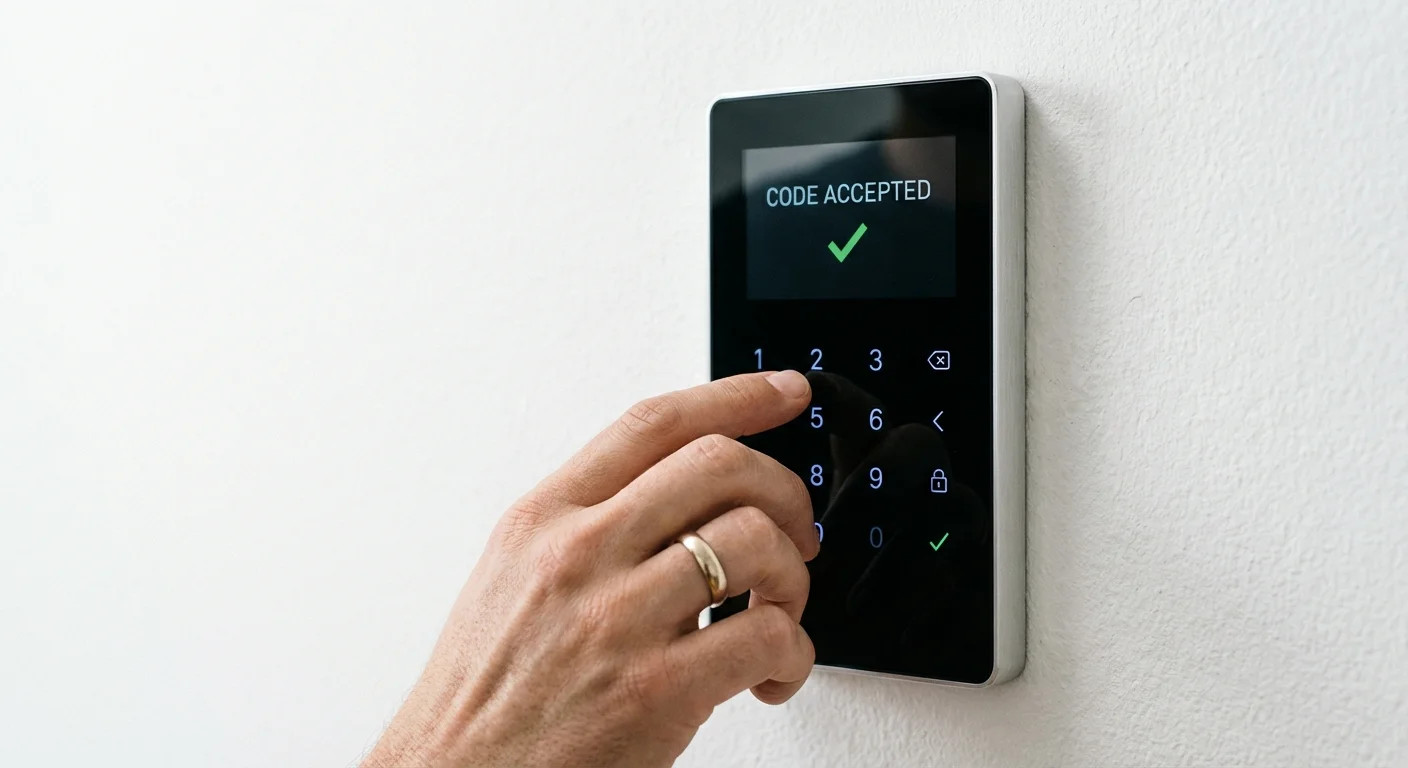
As with any online marketplace, the house-sitting world is not immune to fraud. Protecting your financial and physical safety is paramount. The Federal Trade Commission (FTC) frequently warns about “job scams” where scammers post fake listings to collect personal information or money upfront.
To stay safe, follow these best practices:
- Never send money to a homeowner: You should never be asked to pay a “deposit” or “security fee” directly to a homeowner. Membership fees should only be paid to the official platform.
- Verify the homeowner: Use video calls to “meet” the homeowner and see the pets and the home before committing to a sit. If they refuse to video chat, consider it a red flag.
- Check the reviews: Look for homeowners with a history of positive reviews from other sitters. Be cautious of new profiles with no history, though everyone has to start somewhere.
- Keep communication on the platform: Until you have an established relationship, keep all messages within the platform’s secure messaging system. This provides a paper trail if a dispute arises.
Additionally, always share your location and the homeowner’s contact information with a trusted friend or family member. Safety is an essential part of the “cost” of traveling, and taking these precautions ensures your experience remains positive and secure.

Common Pitfalls and What Could Go Wrong
House sitting sounds like a dream, but it can quickly turn stressful if you aren’t prepared for the challenges. Understanding the risks is a core part of being a responsible adult learner in the financial space. Small mistakes can lead to large expenses or damaged reputations.
One common pitfall is underestimating the workload. Caring for three dogs, a cat, and a large garden is not a “free vacation”—it is a part-time job. If you fail to meet the homeowner’s expectations, you risk a bad review, which can make it nearly impossible to book future sits on that platform.
Another risk is the financial burden of emergencies. If a pet becomes ill, you must be prepared to take them to the vet. While homeowners should leave an emergency fund or a credit card on file with their veterinarian, you might find yourself in a situation where you have to pay upfront and seek reimbursement. Always confirm the reimbursement process before the homeowner departs. Having a small “emergency buffer” in your own bank account is essential for these scenarios.
Finally, consider the “gap” periods. House sitting schedules rarely align perfectly. You might have a five-day gap between two three-week sits. If you haven’t budgeted for a hotel or hostel during those gaps, you could find your “savings” quickly disappearing. Planning your transitions carefully is the secret to a sustainable house-sitting lifestyle.

When to Consult a Financial Professional
While house sitting can be a simple way to save money, it can also complicate your financial life, especially if you turn it into a significant income stream or travel internationally for long periods. Professional guidance ensures you remain compliant with laws and on track with your long-term goals.
You should consider consulting a professional in the following scenarios:
- Tax Complexity: If you are house sitting in multiple states or countries, a CPA can help you navigate “nexus” issues and international tax treaties to avoid double taxation.
- Liability Insurance: An insurance broker can help you find a policy that covers pet sitting and professional house sitting, which is often excluded from standard renter’s or homeowner’s policies.
- Business Structuring: If you decide to make this a full-time career, a business attorney or financial advisor can help you decide if forming an LLC (Limited Liability Company) is appropriate for asset protection.
- Retirement Planning: If your income is coming from various gig-economy sources, a Certified Financial Planner (CFP) can help you set up a SEP IRA or Solo 401(k) to ensure you are still saving for the future.
To find qualified help, you can use directories provided by the CFP Board or seek free financial counseling through the National Foundation for Credit Counseling (NFCC) if you are using house sitting as a strategy to pay down significant debt.
Frequently Asked Questions
Is house sitting really “free” lodging?
In the mutual exchange model, you do not pay for the room or utilities. However, you do have costs: platform membership fees, transportation to the home, your own food, and the “cost” of your time spent performing chores and pet care. It is an exchange of labor for value.
Do I need a special visa to house sit in another country?
This is a complex area. Many countries view unpaid house sitting as “work,” even if no money changes hands, because you are receiving “payment” in the form of free lodging. Always check the specific visa requirements for your destination country. Entering on a standard tourist visa to “work” as a house sitter can sometimes lead to legal issues.
What happens if a pet dies while I am house sitting?
This is every sitter’s worst nightmare, but it does happen, especially with elderly pets. You must follow the homeowner’s emergency instructions immediately. Most experienced sitters discuss “end of life” preferences with owners of senior pets beforehand. While emotionally taxing, handling this professionally is vital for your reputation.
How do I get my first sit with zero reviews?
Start local. Offer to house sit for friends or neighbors to get initial references you can post on your profile. You can also apply for shorter, less “glamorous” sits that might have fewer applicants to build your history. A very detailed, honest profile and a quick response time to new listings will give you a competitive edge.
What are the risks or limitations of house sitting?
The primary risks include home emergencies (leaks, power outages), pet health issues, and potential scams. Limitations include the lack of total freedom; you cannot usually leave a pet alone for more than a few hours, meaning your ability to do traditional sightseeing may be restricted compared to a hotel stay.
When should I consult a professional about this?
You should consult a professional if you begin earning significant income from house sitting (requiring tax planning), if you are traveling internationally for more than 90 days, or if you need to determine the right liability insurance to protect your personal savings from potential lawsuits.
Can I house sit if I have my own pet or children?
It is possible, but much more difficult. Most homeowners looking for a sitter do so because they want their pets to be the sole focus. However, some “family-friendly” homeowners are open to sitters with children or well-behaved pets. You must be 100% transparent about this in your applications.
Is house sitting a reliable way to live full-time?
Some people do this full-time (known as “nomadic” house sitting), but it requires extreme organization and a financial “cushion” to cover the times when you cannot find a sit. It is best viewed as a way to supplement travel rather than a guaranteed housing solution.
Last updated: January 2026. Information accurate as of publication date. Financial regulations, rates, and programs change frequently—verify current details with official sources.
This article was reviewed for accuracy by our editorial team.
For trusted financial guidance, visit
Social Security Administration (SSA), Federal Trade Commission (FTC), Federal Deposit Insurance Corporation (FDIC) and Securities and Exchange Commission (SEC).
Educational Content Notice: This article provides general financial education and information only. It is not personalized financial, tax, investment, or legal advice. Your financial situation is unique—what works for others may not work for you. Before making significant financial decisions, consider consulting with a qualified professional such as a Certified Financial Planner (CFP), CPA, or licensed financial advisor.
Important: EasyMoneyPlace.com provides educational content only. We are not licensed financial advisors, tax professionals, or registered investment advisers. This content does not constitute personalized financial, tax, or legal advice. Laws, tax codes, interest rates, and financial regulations change frequently—always verify current information with official government sources like the IRS, CFPB, or SEC.
No Guaranteed Results: Financial outcomes depend on individual circumstances, market conditions, and factors beyond anyone’s control. Past performance, general strategies, and examples discussed in this article do not guarantee future results. Any financial projections or examples are for illustrative purposes only.
Get Professional Help: For personalized financial advice, consult a Certified Financial Planner (CFP). For tax questions, consult a CPA or enrolled agent. For those experiencing financial hardship, free counseling is available through the National Foundation for Credit Counseling.









Leave a Reply