
The conventional wisdom about saving money often sounds like a punishment. We are told to stop buying lattes, cancel every subscription, and never eat inside a restaurant again. While these tactics save pennies, they often cost us our peace of mind. The truth is, building financial stability shouldn’t feel like a permanent sentence to boredom. You can—and should—enjoy the journey.
Effective money management isn’t about restriction; it is about prioritization. It involves cutting costs mercilessly on the things you don’t care about so you can spend extravagantly on the things you do. This guide will help you shift your mindset from deprivation to empowerment, allowing you to build a healthy savings account without sacrificing the joy of living.

Key Takeaways
- Budget for joy: Treat fun and entertainment as essential line items, not leftovers.
- Automate your goals: Pay yourself first to remove the willpower struggle from saving.
- Practice values-based spending: Cut costs on things that don’t matter to you so you can fund what does.
- Audit recurring expenses: Identify and eliminate “vampire costs” that drain your account without adding value.
- Focus on big wins: Optimizing major expenses (housing, transportation) yields better results than stressing over small daily purchases.
If you are looking for immediate impact, check out these painless ways to save $500 this month without feeling the pinch.
Audience Scope: This guide is for U.S. residents and everyday budgeters looking to balance financial responsibility with lifestyle satisfaction. If you have complex circumstances such as high net worth, business ownership, or international assets, we recommend consulting with a qualified financial professional.

The Mindset Shift: Conscious Spending vs. Deprivation
Many people fail at budgeting for the same reason they fail at crash diets: it feels unsustainable. If you view saving money as an act of deprivation, you will eventually rebel against your own rules. The solution is conscious spending. This means being hyper-aware of where your money goes and ensuring it aligns with your actual happiness.
This shift in perspective is the foundation for creating your first financial plan that reflects your true life priorities.
According to the Consumer Financial Protection Bureau (CFPB), financial well-being is defined not just by the size of your bank account, but by having control over day-to-day finances and the freedom to make choices that allow you to enjoy life. Saving money is simply the mechanism that buys you that freedom.
Start by rejecting the idea that “spending money” equals “happiness.” A walk in the park with a friend often provides more lasting joy than an expensive brunch that leaves you stressed about the bill. When you separate spending from satisfaction, you unlock the ability to save aggressively while still feeling rich in experiences.

Mastering Values-Based Spending
Values-based spending is the antidote to frugal fatigue. Instead of asking, “How can I spend less?”, ask yourself, “What do I genuinely love?”
If you are a foodie, spending $100 on a memorable dinner is not a waste—it is a value-aligned purchase. However, if you don’t care about cars, spending $600 a month on a lease is a waste. The goal is to identify your “money dials”—the areas of life where spending brings you deep satisfaction—and turn them up, while turning down the dial on everything else.
How to Identify Your Values
Sit down and look at your last three months of bank statements. Highlight the purchases that brought you genuine joy. Now, highlight the purchases you made out of habit, convenience, or social pressure. You will likely find hundreds of dollars leaking out toward things you barely remember buying.
By cutting the “forgettables,” you free up cash flow. You can funnel this money into your savings goals without feeling a pinch because you weren’t valuing those purchases anyway.

Structural Changes: The 50/30/20 Rule
Willpower is a finite resource. If you have to decide every single day whether to save or spend, you will eventually suffer from decision fatigue. You need a framework. One of the most effective methods for balancing fun and responsibility is the 50/30/20 rule.
Even with a great strategy, being aware of common budgeting mistakes will help you avoid the frustration of a plan that doesn’t stick.
Popularized as a standard benchmark, this rule suggests splitting your after-tax income into three buckets:
- 50% Needs: Housing, utilities, groceries, insurance, and minimum debt payments.
- 30% Wants: Dining out, hobbies, subscriptions, and travel.
- 20% Savings & Debt: Emergency fund, retirement contributions, and extra debt payoff.
This framework gives you permission to spend. If you allocate 30% of your income to “Wants,” you can spend that money without guilt. You know your bills are paid and your savings are growing. NerdWallet notes that while this framework is a great starting point, you may need to adjust the percentages based on your local cost of living and specific financial goals.

Optimizing Essentials Without Losing Quality
The biggest gains in your budget come from your biggest expenses: housing, transportation, and food. Trimming these areas slightly can save you thousands annually—far more than cutting out coffee.
While optimizing food and transport is key, learning how to save money on utility bills year-round can further reduce your baseline costs.
Smarter Grocery Shopping
You can eat well for less by changing how you shop, not just what you buy. Meal planning is the gold standard, but if that feels overwhelming, try “reverse meal planning.” Buy what is on sale first, then build your meals around those ingredients.
Additionally, consider store brands. Private-label products have improved significantly in quality and are often manufactured in the same facilities as name brands. Switching to generic pantry staples can reduce your grocery bill by 20% to 30% instantly.
Negotiating Services
Your recurring bills are not set in stone. Call your internet provider, car insurance agent, and cell phone carrier once a year. Ask a simple question: “I’m reviewing my budget and considering switching to a competitor. What can you do to help me stay?”
Loyalty rarely pays in the service industry; negotiation does. Experts at Consumer Reports frequently highlight that consumers who negotiate their bills often save hundreds of dollars per year just by asking.
| Expense Category | The “Expensive” Habit | The “Enjoyable” Alternative | Estimated Monthly Savings |
|---|---|---|---|
| Dining | Ordering delivery 3x/week ($150) | Premium frozen meals or easy prep kits ($60) | $90 |
| Coffee | Daily café latte ($5.50/day) | High-end home coffee beans & travel mug ($1.00/day) | $135 |
| Gym | Unused premium membership ($80) | Running outdoors or YouTube fitness ($0) | $80 |
| Entertainment | Cable TV package ($110) | Rotating 2 streaming services ($30) | $80 |

Redefining Entertainment and Socializing
Socializing is often the biggest budget buster. Drinks, dinners, and events add up fast. However, isolating yourself to save money leads to burnout. You need to maintain your relationships, but you can change the venue.
If you want to make your journey more interactive, you can try various money-saving challenges to jumpstart your progress.
The “Third Place” Strategy
Find a “third place” (not home, not work) that doesn’t require a cover charge. Public parks, libraries, and community centers offer space to connect without consumption. Hiking, board game nights, and potlucks provide the same social connection as a restaurant meal at a fraction of the cost.
Use Your Community Benefits
Most local libraries offer more than just books. Many provide “culture passes” that grant free or discounted entry to museums, zoos, and botanical gardens. Check your local city website for free concert series or outdoor movie nights. You pay taxes for these amenities—make sure you utilize them.
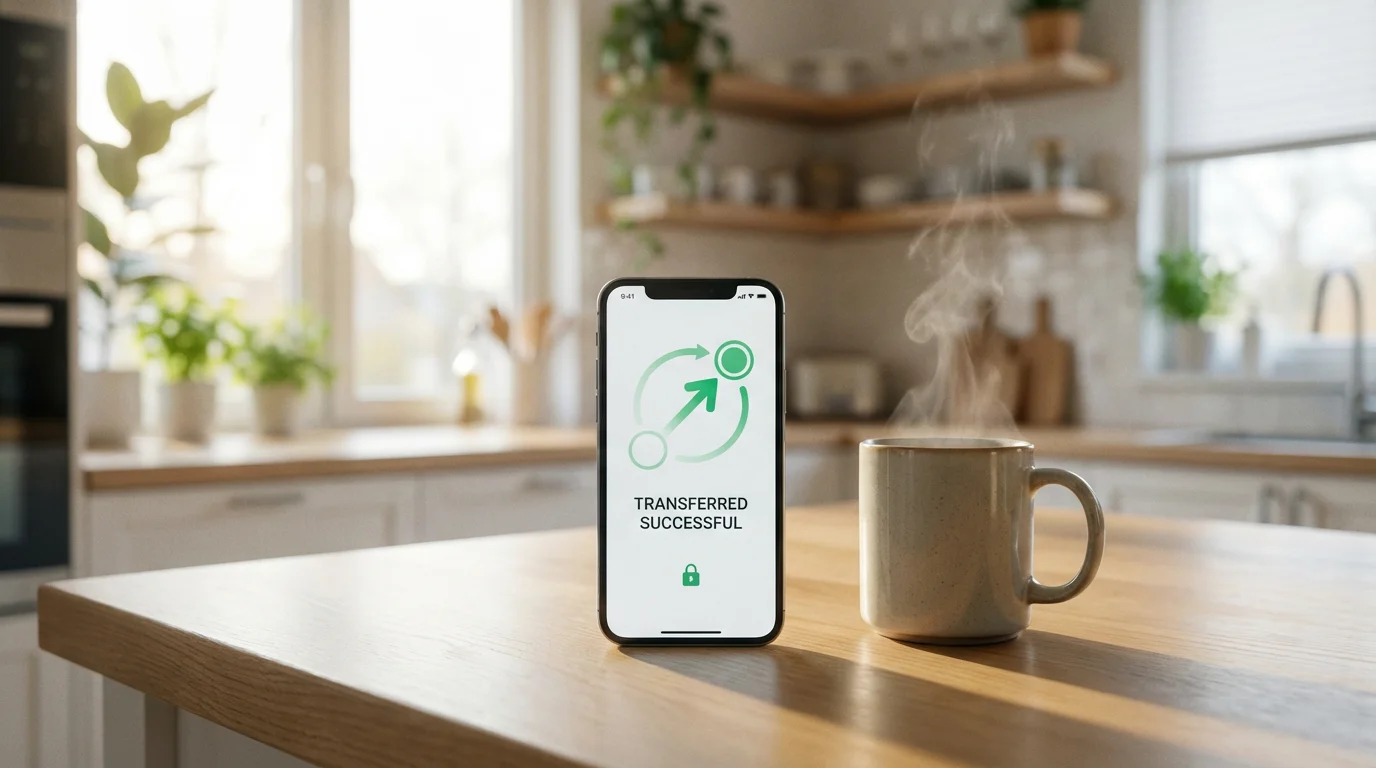
The Power of Automation
The secret weapon of successful savers is automation. When you rely on memory or willpower to transfer money to savings, life usually gets in the way. By automating your finances, you prioritize your future self before your current self has a chance to spend the money.
Set up a direct deposit split with your employer so that a portion of your paycheck goes immediately into a high-yield savings account. If you never see the money in your checking account, you won’t miss it. The Federal Deposit Insurance Corporation (FDIC) encourages automation as a primary tool for building an emergency fund, noting that consistency matters more than the initial amount.
Pro Tip: Name your savings accounts. Instead of a generic “Savings,” label them “Bali Trip,” “New Car,” or “Freedom Fund.” Giving your money a specific purpose makes it psychologically harder to raid that account for impulse purchases.

Combating Lifestyle Creep and FOMO
As you advance in your career and earn more money, there is a natural tendency to spend more. This is called lifestyle creep. It explains why someone earning $50,000 feels broke, and the same person earning $100,000 five years later still feels broke.
Opportunity Cost
Every time you say “yes” to a purchase, you are saying “no” to something else. This is the economic concept of Opportunity Cost. As defined by Investopedia, opportunity cost represents the potential benefits you miss out on when choosing one alternative over another. When you buy a $40,000 car, you aren’t just spending $40,000; you are trading away the potential growth that money could have earned in a retirement account over 20 years.
Managing Social Media Envy
Fear Of Missing Out (FOMO) is a budget killer, exacerbated by social media. Remember that Instagram is a highlight reel. You see your friends’ vacations, but you don’t see their credit card statements. Focus on your own race. When you feel the pressure to keep up, revisit your values-based spending list. If that trendy item isn’t on your list, let it go.

Common Pitfalls to Avoid
Even with the best intentions, it is easy to stumble. Watch out for these common traps that can derail your progress.
The “All-or-Nothing” Mentality
Don’t beat yourself up over a bad week. If you overspend one weekend, don’t abandon your budget for the whole month. Just get back on track on Monday. Consistency beats perfection every time.
Subscription Traps
Companies know that once you subscribe, you are unlikely to cancel. This inertia is profitable for them and costly for you. The Federal Trade Commission (FTC) has highlighted “negative option” marketing, where free trials automatically convert to paid subscriptions. Audit your credit card statement monthly to catch these recurring charges.
Ignoring Small Leaks
A $20 purchase here and there seems insignificant, but “death by a thousand cuts” is real. Tracking your spending for just one month can reveal these leaks. You might be surprised to find that your “occasional” snacks are costing you $150 a month.

When to Consult a Financial Professional
While many aspects of budgeting and saving can be managed personally, there are times when expert guidance is necessary to ensure long-term security. Consider seeking professional help in the following scenarios:
- Overwhelming Debt: If you are struggling to make minimum payments or are considering bankruptcy, a credit counselor is essential. The National Foundation for Credit Counseling (NFCC) provides access to certified counselors who can help create debt management plans.
- Complex Investment Needs: If you have received an inheritance, have a high net worth, or need tax-optimized investment strategies.
- Major Life Transitions: Marriage, divorce, or planning for a child with special needs often requires a tailored financial roadmap.
- Retirement Planning: As you approach retirement age, ensuring your savings will last is critical.
You can find certified professionals through the Certified Financial Planner Board. A fiduciary advisor is legally obligated to act in your best interest, providing peace of mind as you navigate complex decisions.
Frequently Asked Questions
How much of my income should I be saving?
A common guideline is 20% of your net income, as suggested by the 50/30/20 rule. However, if you have high-interest debt, you may want to prioritize paying that off before aggressively saving. If 20% is impossible right now, start with 1% or 5%. The habit is more important than the amount when you are starting out.
Is it okay to use a credit card if I’m trying to save?
Yes, but only if you pay the balance in full every month. Credit cards offer consumer protections and rewards, but if you carry a balance, the interest (APR) will likely outweigh any rewards you earn. If you struggle with overspending, stick to a debit card or cash until you build better habits.
Should I save for an emergency fund or pay off debt first?
Most experts recommend building a small starter emergency fund (e.g., $1,000) first. This prevents you from using credit cards when a minor unexpected expense arises. Once that buffer is in place, focus on high-interest debt. The CFPB suggests eventually aiming for 3 to 6 months of expenses in your emergency fund.
What if I try budgeting but fail every month?
You might be making your budget too restrictive. A budget that doesn’t allow for fun is destined to fail. Try the “pay yourself first” method instead: automate your savings contribution on payday, and then allow yourself to spend whatever is left in your checking account guilt-free. This simplifies the process and reduces stress.
When should I consult a professional about my savings?
If your debt feels unmanageable, or if you are unsure how to invest your savings for long-term growth (like retirement), it is time to see a pro. Specifically, if you have assets exceeding $100,000 or complex tax situations, a CPA or CFP can provide value far exceeding their fee.
What are the risks of being too frugal?
Extreme frugality can lead to burnout, social isolation, and delayed maintenance on your home or health. For example, skipping dental checkups to save money can lead to expensive root canals later. It is important to view spending as an investment in your quality of life, not just a loss of funds.
How do I stop impulse buying?
Implement the “72-Hour Rule.” If you see something you want to buy, wait 72 hours. If you still want it just as badly after three days, and you can afford it, go ahead. Often, the urge passes, and you will be relieved you kept the money.
Last updated: January 2026. Information accurate as of publication date. Financial regulations, rates, and programs change frequently—verify current details with official sources.
This article was reviewed for accuracy by our editorial team.
For trusted financial guidance, visit Money.com, Consumer Financial Protection Bureau (CFPB) and Internal Revenue Service (IRS).
Important: EasyMoneyPlace.com provides educational content only. We are not licensed financial advisors, tax professionals, or registered investment advisers. This content does not constitute personalized financial, tax, or legal advice. Laws and regulations change frequently—verify current information with official sources.
Disclaimer: This article is for informational purposes only and does not constitute financial, tax, or legal advice. Individual financial situations vary, and we encourage readers to consult with qualified professionals for personalized guidance. For those experiencing financial hardship, free counseling is available through the National Foundation for Credit Counseling.









Leave a Reply