In a world of one-click ordering and contactless payments, overspending has become effortless. You swipe a card or tap a phone, and the money vanishes without you ever physically seeing it leave your hand. If you struggle to track where your paycheck goes every month, the solution might not be a high-tech app. The answer might be paper, ink, and a few envelopes.
Implementing this method is a great way to start breaking the paycheck-to-paycheck cycle for good.
The envelope budgeting system is a cash-based approach to money management that forces you to interact with your spending limits physically. It is simple, visceral, and incredibly effective for breaking bad spending habits. By allocating cash into specific categories, you create a hard stop for your spending. When the envelope is empty, you stop buying. It effectively turns the abstract concept of a budget into a tangible reality.
Audience Scope: This guide is for U.S. residents, families, and individuals looking to gain better control over their day-to-day spending and debt repayment. If you have complex circumstances such as business ownership with commingled funds, high net worth requiring tax-loss harvesting strategies, or significant international assets, we recommend consulting with a qualified financial professional.

Key Takeaways
- Tangible Limits: Cash envelopes create a physical boundary for variable spending categories like groceries and entertainment.
- Psychological Impact: Handing over physical cash triggers a “pain of paying” response that naturally curbs impulse buying.
- Hybrid Flexibility: You can combine this method with digital banking for fixed bills (like rent) while using cash for daily expenses.
- Debt Prevention: Because you cannot spend what you do not have, the envelope system inherently prevents overdrafts and new credit card debt.
- Customization: The categories and amounts are entirely up to you—it works for any income level.

What Is Envelope Budgeting?
The envelope budgeting system, often associated with “Grandma’s way of handling money,” is a form of zero-based budgeting. The core principle is simple: you assign every single dollar of your income to a specific job before the month begins. While zero-based budgeting can be digital, the envelope system takes it a step further by using physical cash for variable expenses.
Avoiding 7 common budgeting mistakes will help ensure your transition to envelopes is successful.
Here is how it functions at a high level: You determine how much you want to spend on groceries, dining out, and gas. You withdraw that exact amount in cash on payday. You place the cash into envelopes labeled with those categories. Throughout the month, you pay for those expenses exclusively from the corresponding envelopes. Once the “Dining Out” envelope is empty, you eat at home until the next payday. There is no swiping, no credit, and no cheating.
According to the Consumer Financial Protection Bureau (CFPB), creating a budget is the first step to getting your finances back on track, but sticking to it is the challenge. The envelope system bridges the gap between the plan on paper and the reality of daily life.
The Psychology: Why Cash Changes Behavior
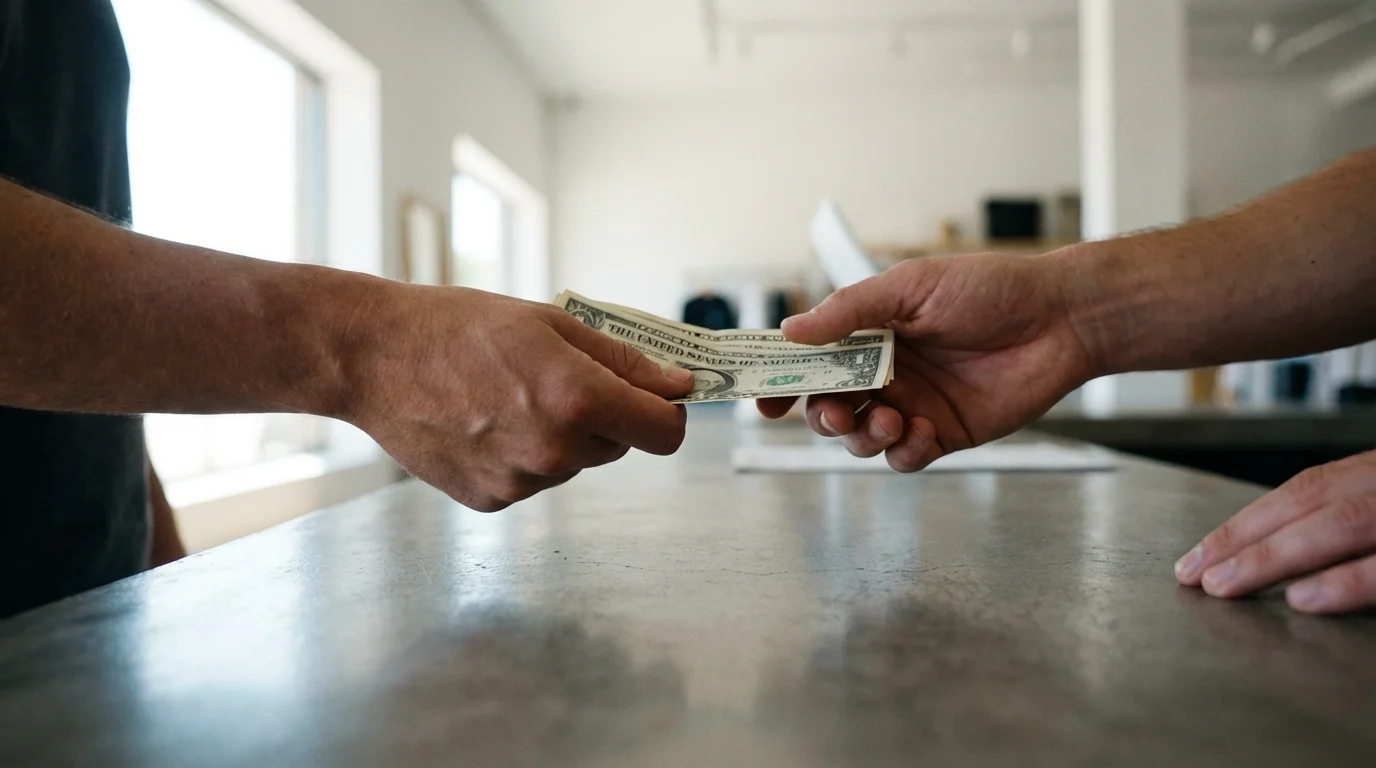
You might wonder why you should carry cash when credit cards offer rewards and convenience. The answer lies in behavioral psychology. When you use a credit card, the transaction is abstract. You get the product immediately, but the “pain” of paying is delayed until the bill arrives weeks later. This separation encourages higher spending.
Comparing cash vs. card spending habits shows that people often spend significantly less when using physical bills.
When you use cash, the pain is immediate. You see the bills leaving your wallet. You physically feel your purchasing power diminishing. This friction causes you to think twice about impulse purchases. Experts at NerdWallet note that switching to a cash-only diet for discretionary spending is one of the fastest ways to stop leaking money.
Furthermore, the visual nature of the envelope provides instant feedback. You do not need to log into an app to see if you can afford a latte. A quick peek inside the envelope tells you exactly where you stand. If you see only a single five-dollar bill remaining, you will naturally make more conservative choices without needing to perform complex mental math.

Step-by-Step: Setting Up Your System
Starting the envelope system requires a little preparation, but once you establish the routine, it becomes second nature. Follow this workflow to get started.
1. Create Your Base Budget
Before you touch an envelope, you must know your numbers. List your total monthly take-home pay. Next, list your fixed expenses—mortgage or rent, car payments, insurance, and utilities. These are bills that generally stay the same and are best paid electronically. Do not use cash envelopes for these.
2. Identify Your “Problem” Categories
The envelope system works best for variable expenses—the areas where you tend to overspend. Common categories include:
- Groceries and household supplies
- Restaurants and coffee shops
- Entertainment and hobbies
- Personal care (haircuts, cosmetics)
- Clothing
- Gifts
3. Assign Dollar Limits
Subtract your fixed expenses from your income. The remaining amount is what you have available for your envelopes and savings. Assign a realistic limit to each category. If you have allocated $500 for groceries, that is your hard cap.
4. Fill the Envelopes
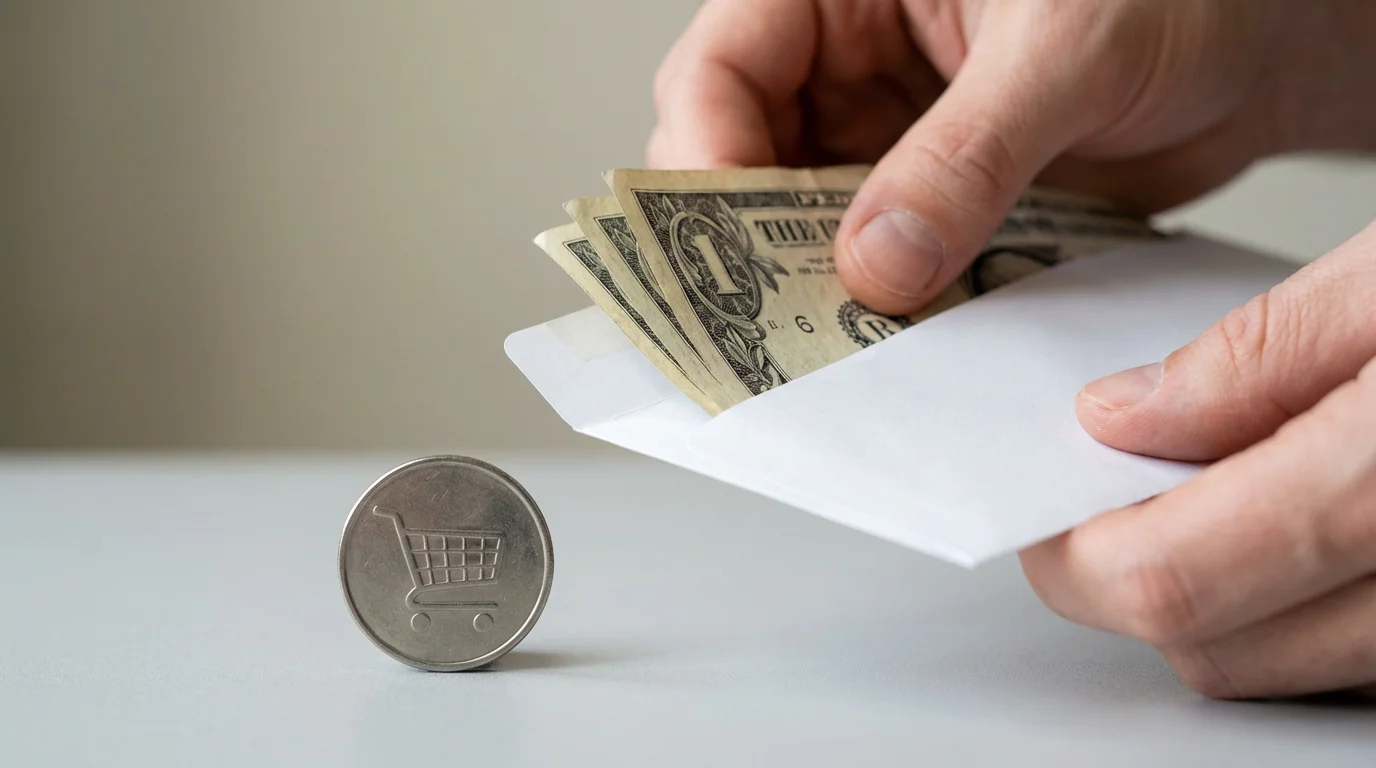
On payday, withdraw the total amount of cash needed for your variable categories. If you are paid bi-weekly, withdraw half the monthly amount. Break the large bills down; ask the teller for tens and twenties so you can split the money easily. Place the cash into envelopes labeled with the category name.
5. Spend Only From the Envelope
When you go to the supermarket, take the “Groceries” envelope. Pay with the cash inside. Put the change back in the envelope (and the receipt, if you are tracking prices). If you forget the envelope at home, you do not buy the groceries. This reinforces the habit.
Choosing Your Cash Categories
Not every expense requires an envelope. Trying to pay your electric bill or car insurance with cash is inconvenient and unnecessary. The goal is to control discretionary spending. Below is a breakdown of which expenses fit the system best.
While this system is straightforward for salaried employees, those with fluctuating pay should learn how to budget on an irregular income first.
Learning how to create a family budget can help ensure all members are on board with these spending limits.
| Expense Type | Method | Reasoning |
|---|---|---|
| Rent / Mortgage | Digital / Check | High dollar amount; requires a paper trail for proof of payment. |
| Groceries | Cash Envelope | Highly variable; easy to overspend on impulse items. |
| Utilities (Electric, Water) | Digital / Auto-pay | Usually a fixed necessity; late fees apply if missed. |
| Dining Out / Entertainment | Cash Envelope | Purely discretionary; the easiest category to cut when funds are low. |
| Gas / Transportation | Cash Envelope | Keeps you aware of travel costs, though some prefer cards for pump convenience. |
| Savings / Investments | Digital Transfer | Should be automated to ensure it happens before spending. |
| Personal Care / Haircuts | Cash Envelope | Occasional expense that can easily become expensive without a limit. |
According to the Federal Trade Commission (FTC), tracking your daily expenses is crucial for building a budget that actually works. If you aren’t sure how much cash to put in an envelope, track your spending for 30 days first to get a realistic baseline.
The Digital Twist: Budgeting in a Cashless World
Carrying large amounts of cash isn’t for everyone. Some people worry about theft, while others shop almost exclusively online. You can still utilize the principles of envelope budgeting without physical bills.
The Multiple Bank Account Strategy
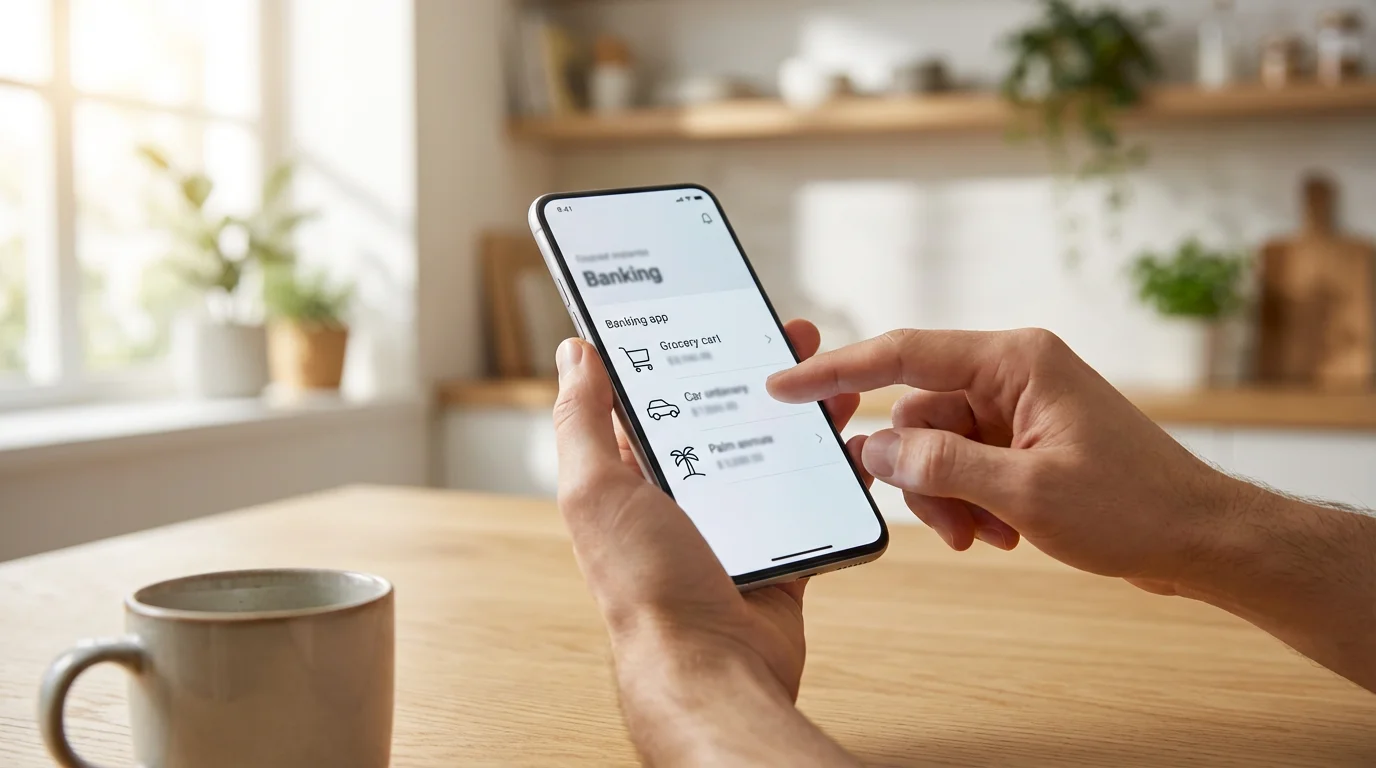
Some banks allow you to open multiple checking or savings sub-accounts for free. You can nickname these accounts “Groceries,” “Car Repairs,” or “Vacation.” On payday, you transfer money into these sub-accounts. When you buy groceries, you use the debit card associated with that account, or you transfer the money back to your main spending account immediately after the purchase to “cover” it.
Budgeting Apps
Several budgeting apps are designed specifically around the envelope philosophy. Software like YNAB (You Need A Budget) or Goodbudget allows you to create virtual envelopes. When you enter a transaction, you assign it to a category, and the app deducts it from that envelope’s balance. This allows you to use credit or debit cards while maintaining the discipline of categorical spending limits.
However, digital envelopes lack the “pain of paying” that physical cash provides. If you struggle significantly with impulse control, the digital method may not be restrictive enough in the beginning.

Pros and Cons of the Cash Method
No financial system is perfect. Understanding the advantages and limitations will help you decide if this method fits your lifestyle.
The Benefits
- Discipline: It forces you to stop spending when the money runs out.
- No Overdraft Fees: You cannot overdraft an envelope.
- Debt Reduction: By limiting spending, you free up more income to throw at debt.
- Emergency Preparedness: You build a habit of living within your means, which is essential for long-term financial health. Investopedia notes that zero-based budgeting systems like this often lead to higher savings rates.
The Drawbacks
- Security Risk: Cash can be lost or stolen. Unlike a credit card, cash has no fraud protection.
- Inconvenience: You must physically go to the bank or ATM. Paying for gas at the pump usually requires a card.
- Loss of Interest: Cash sitting in an envelope earns zero interest, whereas money in a high-yield savings account grows over time.
- No Credit Building: Paying with cash does not report to credit bureaus. You need to maintain some credit activity to build your score.

Common Pitfalls and How to Avoid Them
Even with the best intentions, you might stumble. Here are the most common mistakes people make with envelope budgeting and how to fix them.
1. Robbing Peter to Pay Paul
It is tempting to take $20 from the “Car Maintenance” envelope to fund a Friday night dinner when the “Dining Out” envelope is empty. Do not do this. It defeats the purpose of the system. If you run out of dining money, you eat leftovers. If you constantly run out, you need to adjust your budget next month, not cheat this month.
2. Ignoring the Change
Coins and small bills can accumulate quickly. Do not treat this change as “free money” to waste. Put it back in the envelope for next time, or collect it in a jar to deposit into savings once it fills up.
3. Keeping Too Much Cash on Hand
While cash helps curb spending, keeping thousands of dollars in your home is risky. According to the Federal Deposit Insurance Corporation (FDIC), money deposited in an insured bank is protected up to $250,000 per depositor. Money under your mattress has no such protection. Only withdraw what you need for the immediate pay period.
4. Giving Up After One Month
The first month will be messy. You will likely underestimate how much you need for groceries. You might feel frustrated at the checkout line. This is normal. It takes about three months to fine-tune your categories and get comfortable with the rhythm. Stick with it.

When to Consult a Financial Professional
While envelope budgeting is a powerful tool for day-to-day cash flow management, it is not a cure-all for severe financial distress or complex planning needs. There are specific times when DIY budgeting is not enough.
- Unmanageable Debt: If you cannot make minimum payments on your debts even after cutting expenses, or if you are facing foreclosure or wage garnishment, seek help immediately. The National Foundation for Credit Counseling (NFCC) offers free or low-cost counseling to help you explore options like debt management plans.
- Investment Strategy: Once you have mastered your budget and built savings, you may need guidance on how to invest for retirement or college. A Certified Financial Planner (CFP) can help structure a long-term wealth strategy. You can verify a professional’s certification through the Certified Financial Planner Board.
- Tax Complexity: If you have multiple income streams, business expenses, or inheritance issues, a CPA or tax professional can ensure you are compliant and efficient with your tax strategy.
Frequently Asked Questions
What happens if I have money left over in an envelope at the end of the month?
This is a great problem to have! You have two main options: roll it over to the next month (meaning you need to withdraw less cash next time) or take the surplus and put it toward a financial goal, such as an emergency fund or extra debt payment. Rewarding yourself with a small treat is also acceptable to maintain motivation.
Is it safe to carry cash envelopes everywhere?
You should not carry all your envelopes with you at all times. If you are going to the grocery store, take only the grocery envelope. Leave the rest in a secure place at home, like a fireproof safe. This minimizes your risk if your wallet or purse is lost or stolen.
Can I use this system with a spouse or partner?
Yes, but communication is key. You must agree on the budget amounts beforehand. Some couples split the cash (e.g., each person carries half the dining budget), while others keep the envelopes in a shared location at home and only take cash when heading out to make a specific purchase.
How do I handle online purchases like Amazon?
For online shopping within a variable category (like buying a gift or household item), you have to create a workaround. You can make the purchase on your debit card, then immediately take the cash out of the corresponding envelope and deposit it back into your bank account. Alternatively, you can designate one “Online Spending” envelope that stays digital, but this requires strict discipline.
When should I consult a professional about this?
If you find that your income simply cannot cover your basic needs (rent, food, utilities) regardless of how strictly you budget, you may be experiencing a deeper financial hardship. In this case, consulting a credit counselor or a social worker can help you identify resources, assistance programs, or debt relief options.
What are the risks or limitations?
The biggest risk is physical loss—cash cannot be replaced if stolen or destroyed in a fire. There is also the limitation of credit history; strictly using cash means you aren’t generating a payment history on your credit report. For this reason, many people maintain a small recurring bill (like Netflix) on a credit card set to auto-pay just to keep the credit line active and positive.
Last updated: January 2026. Information accurate as of publication date. Financial regulations, rates, and programs change frequently—verify current details with official sources.
This article was reviewed for accuracy by our editorial team.
For trusted financial guidance, visit
Federal Trade Commission (FTC),
Federal Deposit Insurance Corporation (FDIC),
Securities and Exchange Commission (SEC) and
USA.gov Benefits.
Important: EasyMoneyPlace.com provides educational content only. We are not licensed financial advisors, tax professionals, or registered investment advisers. This content does not constitute personalized financial, tax, or legal advice. Laws and regulations change frequently—verify current information with official sources.
Disclaimer: This article is for informational purposes only and does not constitute financial, tax, or legal advice. Individual financial situations vary, and we encourage readers to consult with qualified professionals for personalized guidance. For those experiencing financial hardship, free counseling is available through the National Foundation for Credit Counseling.








Leave a Reply