
You stand at the checkout counter. The total flashes on the screen. Do you reach for your wallet to count out physical bills, or do you instinctively tap a plastic card against the reader? That split-second decision affects more than just convenience—it fundamentally changes how your brain processes the transaction. For millions of Americans trying to stretch their paychecks, the debate between cash budgeting and card spending isn’t just about preference; it is about financial survival and growth.
We live in an increasingly digital world where money feels invisible. Yet, the tactile nature of cash remains a powerful tool for discipline. Conversely, cards offer security, tracking, and rewards that cash simply cannot match. So, which method actually keeps more money in your pocket at the end of the month? The answer depends on your psychology, your financial habits, and your specific goals.
Audience Scope: This guide is for U.S. residents managing personal or household finances who want to optimize their spending habits. If you have complex financial circumstances, such as significant business assets, international taxation issues, or high-net-worth estate planning needs, we recommend consulting with a qualified financial professional.

Key Takeaways
- Psychology matters: Spending physical cash triggers a “pain of paying” response that naturally curbs impulse buying, whereas cards reduce this friction.
- Protection varies: Credit cards offer robust fraud protection and rewards, but carry the risk of high-interest debt if not managed perfectly.
- The hybrid solution: Many successful budgeters use a “hybrid model”—paying fixed bills digitally while using cash for variable categories like groceries and dining out.
- Know yourself: If you struggle with discipline, cash is safer. If you are highly organized and want to build credit, cards are superior tools.
- Tracking is non-negotiable: Regardless of the method, you must track every dollar to see real savings.
The Psychology of Spending: Why It Hurts to Pay Cash
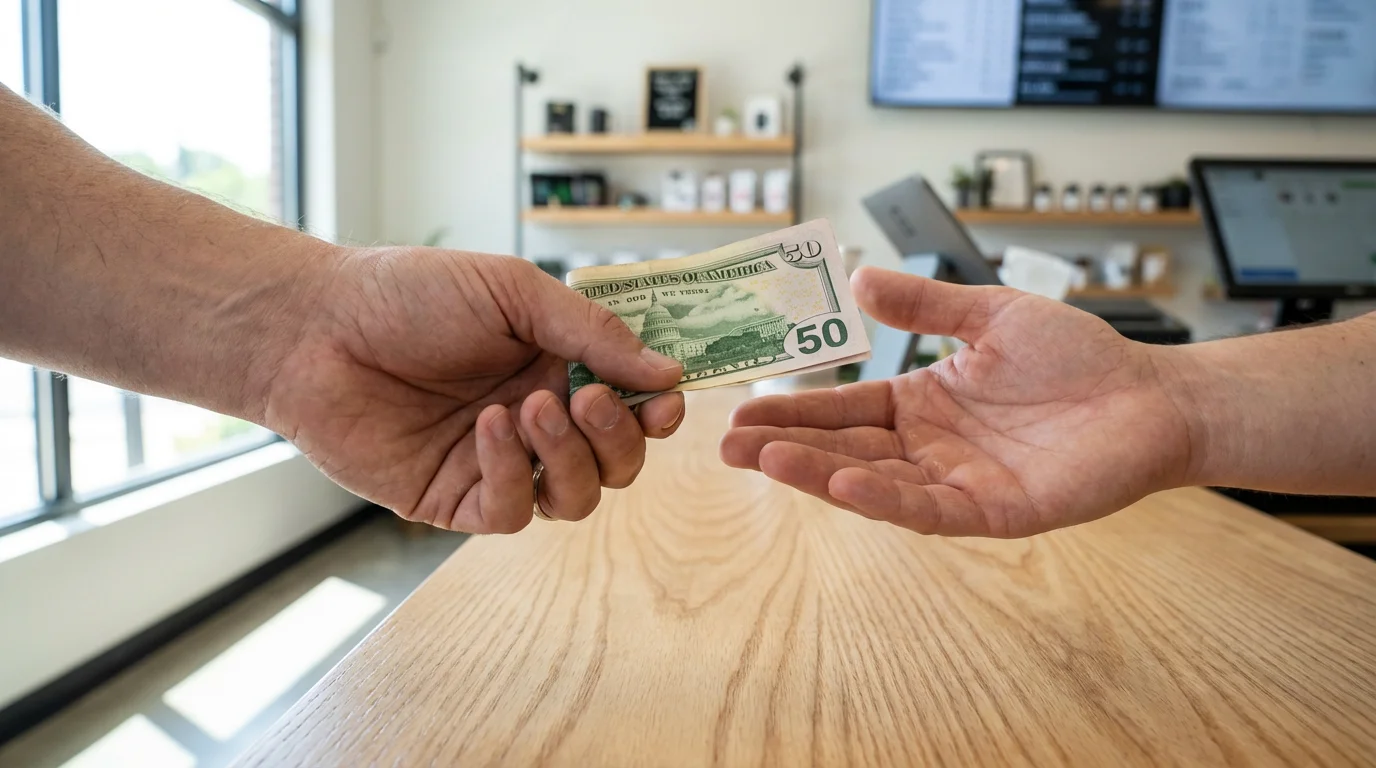
To understand which method saves you more, you first have to understand your brain. Behavioral economists have long studied a concept known as the “pain of paying.” When you hand over a $50 bill, you physically part with something of value. You see it leave your hand. You feel the loss immediately. This negative emotional response acts as a natural brake on spending.
Credit and debit cards remove this friction. A $5 coffee and a $500 television feel exactly the same physically—a simple tap or swipe. This phenomenon is often called “decoupling.” It separates the joy of buying from the pain of paying. Because the bill comes later (or the bank balance updates silently in the background), you don’t register the loss in the moment.
“We buy things we don’t need with money we don’t have to impress people we don’t like.” — Dave Ramsey
Research consistently suggests that people spend more when using cards compared to cash. You might be more likely to add an appetizer to your dinner order or grab an extra item at the checkout lane when paying with plastic. If your goal is strictly to reduce the total amount of money flowing out of your accounts, cash provides a psychological edge that is difficult to replicate digitally.

The Case for Cash: The Envelope Method
Cash budgeting is often associated with the “envelope system,” a traditional method that has made a massive comeback thanks to the debt-free community. It forces you to interact with your money physically.
How It Works
- Calculate Income: Determine your total take-home pay for the month.
- Subtract Fixed Expenses: Account for rent/mortgage, utilities, and debt payments (usually paid digitally).
- Withdraw the Rest: Take out cash for your variable spending categories (groceries, dining out, entertainment, gas, personal care).
- Stuff the Envelopes: Label physical envelopes for each category and place the allotted cash inside.
- Stop Spending: When an envelope is empty, you stop spending in that category until the next month. No borrowing from other envelopes.
Why Cash Saves You Money
The primary benefit of cash is the hard stop. You cannot overdraft an envelope. According to the Consumer Financial Protection Bureau (CFPB), overdraft and non-sufficient funds fees can cost Americans billions annually. Using cash eliminates this risk entirely for your daily spending. Furthermore, cash makes you a more conscious consumer. You are more likely to compare prices at the grocery store when you know you only have a specific amount of cash in your hand.
The Downsides of Cash
While effective for curbing spending, cash has limitations. It offers zero fraud protection. If you lose your wallet, that money is gone forever. Cash also fails to build your credit score. In a modern economy, having a healthy credit history is essential for renting apartments, buying homes, and even securing certain jobs. Finally, cash is inconvenient for the digital economy—you cannot pay for Amazon purchases or Uber rides with paper bills.
The Case for Cards: Digital Tracking and Rewards
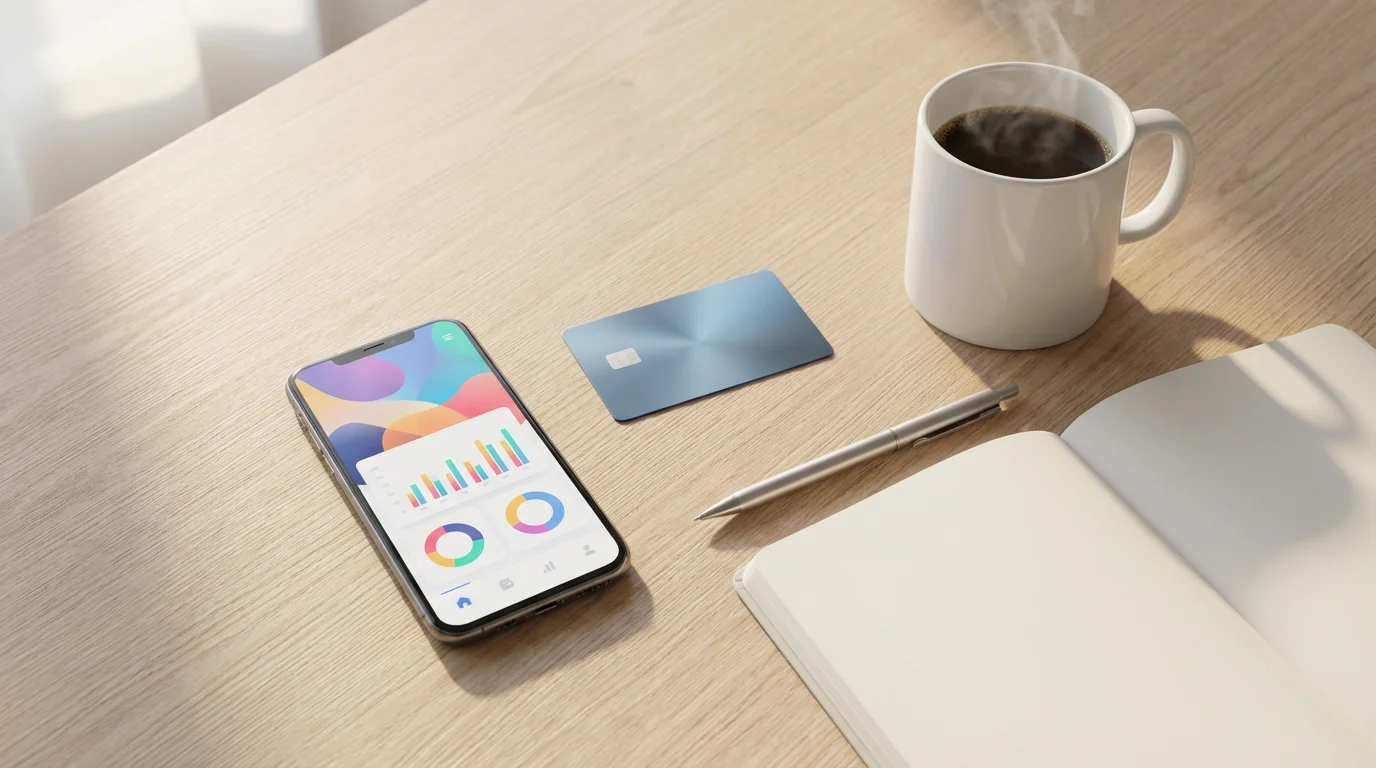
Card budgeting involves using debit or credit cards for all purchases and relying on apps or spreadsheets to track spending. This method suits those who are highly organized and value efficiency over the visceral “pain of paying.”
Debit Cards: The Middle Ground
Debit cards draw money directly from your checking account. They offer the convenience of plastic without the risk of accumulating interest-bearing debt. However, they still lack the “pain” of cash, and if you aren’t diligent about checking your balance, you risk overdraft fees.
Credit Cards: High Risk, High Reward
For the disciplined budgeter, credit cards are powerful financial tools. They offer:
- Float: You keep your cash in your account longer, potentially earning interest.
- Rewards: Cash back or travel points can effectively reduce the cost of your purchases by 1-5%.
- Protection: According to the Federal Trade Commission (FTC), credit cards offer the strongest protections against fraud. If your card is used unauthorized, your liability is generally limited to $50 (and most issuers offer zero liability).
However, the risks are severe. If you carry a balance, the interest charges (often exceeding 20% APR) will instantly wipe out any savings or rewards you earned. Credit cards are only a “budgeting method” if you treat them like debit cards—paying the balance in full every single month.

The Showdown: Comparing Costs and Benefits
To help you decide, let’s look at how these methods compare across critical financial categories.
| Feature | Cash Budgeting | Debit Card | Credit Card |
|---|---|---|---|
| Impulse Control | High (Best for saving) | Moderate | Low (Requires high discipline) |
| Fraud Protection | None | Moderate | Strongest |
| Credit Building | No | No | Yes |
| Rewards/Returns | None | Rare | Yes (Cash back/Points) |
| Convenience | Low (ATM trips required) | High | High |
The Verdict: If your primary goal is to stop overspending and get out of debt, cash wins. The friction it creates is a feature, not a bug. If your goal is to optimize finances and you already have excellent discipline, credit cards win due to rewards and security.

The Hybrid Approach: Best of Both Worlds
You do not have to choose one extreme. Most financially successful people eventually settle into a hybrid approach. This strategy leverages the security of digital payments for fixed costs while using cash to control “problem areas.”
Before splitting your money between payment types, you may want to explore the 50/30/20 budget rule to establish your core spending categories.
Step-by-Step Hybrid Strategy
- Automate Fixed Bills: Set up auto-pay for your mortgage, rent, utilities, and insurance using your bank account or a credit card (if you pay it off monthly). These amounts rarely fluctuate, so “impulse control” isn’t necessary here.
- Identify Problem Categories: Look at your bank statements. Where do you leak money? For most people, it is groceries, dining out, and “Target runs.”
- Use Cash for Variables: Withdraw cash only for those problem categories. If you budget $400 for groceries, put $400 in an envelope. When you go to the store, leave the cards at home.
- Digital “Envelopes”: If you hate carrying cash, use a budgeting app or a bank that allows “sub-accounts.” You can transfer money into a specific “Grocery” account and use a dedicated debit card for it.
This method prevents the catastrophe of missed bill payments while still curbing the impulse to overspend on daily consumables. As noted by experts at NerdWallet, finding a budgeting system that fits your lifestyle is more sustainable than forcing yourself into a rigid framework that makes you miserable.

Common Pitfalls to Avoid
Regardless of which method you choose, there are traps that can derail your progress. Being aware of these risks helps you safeguard your hard-earned money.
Pitfalls of Cash
- The “Found Money” Effect: Sometimes, loose change or leftover bills get treated as “free money” rather than part of the budget. It often disappears into vending machines or tip jars without being tracked.
- Safety Risks: Carrying large amounts of cash makes you a target. Never flash your envelope in public, and keep your home stash in a fireproof safe.
- No Digital Paper Trail: If you need to return an item or prove a purchase for a warranty, losing a paper receipt when you paid cash can be a nightmare.
Pitfalls of Cards
- The Minimum Payment Trap: Paying only the minimum due on a credit card is a financial disaster. It keeps you in debt for years and costs you thousands in interest.
- Chasing Rewards: Spending money you wouldn’t have otherwise spent just to earn 2% cash back is a losing mathematical game.
- Subscription Creep: When you link a card to subscription services, it’s easy to forget about them. The Federal Deposit Insurance Corporation (FDIC) suggests regularly reviewing your bank statements to catch recurring charges you no longer use.

When to Consult a Financial Professional
While budgeting is a fundamental skill you can manage yourself, certain situations require expert guidance. DIY approaches have limits, especially when debt becomes overwhelming or assets become complex.
Consider seeking professional help if:
- You are drowning in debt: If you cannot make minimum payments or are considering bankruptcy, a credit counselor is essential. The National Foundation for Credit Counseling (NFCC) provides access to legitimate, non-profit credit counseling agencies.
- You have complex income streams: If you are a freelancer, business owner, or have rental properties, tax implications and cash flow management become much harder to handle with simple envelopes.
- You are nearing retirement: Deciding how to spend down assets requires sophisticated planning that goes beyond monthly cash flow.
- You and your partner cannot agree: Financial arguments are a leading cause of divorce. A financial coach or planner can act as a neutral third party to help align your goals.
To find a qualified professional, look for a Certified Financial Planner (CFP) through the Certified Financial Planner Board. They are held to a fiduciary standard, meaning they must act in your best interest.
Frequently Asked Questions
Does using cash help my credit score?
No. Using cash does not generate a credit history. To build credit, you must borrow money and pay it back (e.g., credit cards, loans). However, using cash can indirectly help your score by preventing you from running up credit card debt you cannot repay.
Is it safer to use a debit card or a credit card online?
A credit card is generally safer for online shopping. If a hacker steals your debit card info, they can drain your actual bank account, potentially causing bounced checks and missed bill payments while the bank investigates. With a credit card, the thief is spending the bank’s money, not yours, and you have time to dispute the charges before paying the bill.
Can I use the envelope system if I pay everything online?
Yes. You can use a digital envelope system. Many budgeting apps allow you to allocate your bank balance into virtual categories. When the category hits zero in the app, you stop spending, even if there is still money in the bank account.
When should I consult a professional about my budgeting method?
You should consult a professional if your budgeting efforts are consistently failing to reduce debt, if you are experiencing severe anxiety regarding money, or if you have recently experienced a major life change like a divorce, inheritance, or job loss. A professional can help you build a strategy that accounts for emotions and complex regulations.
What are the risks or limitations of the cash-only method?
The biggest risks are theft and loss—once cash is gone, it is unrecoverable. Additionally, a cash-only lifestyle can make it difficult to rent cars, book hotels, or make large purchases. It also prevents you from building a credit score, which can result in higher insurance premiums and difficulty securing a mortgage later in life.
Are credit card rewards really worth it?
Rewards are only worth it if you never pay interest. If you earn $50 in cash back but pay $100 in interest because you carried a balance, you have lost money. Investopedia notes that for disciplined spenders who pay their balance in full every month, rewards are effectively a discount on life expenses.
How much cash should I keep in my emergency fund?
Most experts recommend keeping 3 to 6 months of living expenses in an easily accessible savings account. However, you should not keep this entire amount in physical cash at home due to the risk of theft or fire.
Can I split my payment at the store between cash and card?
Yes, most retailers allow split payments. You can pay the specific amount you have allocated in cash and put the remainder on a card, though this defeats the purpose of the “hard stop” that cash budgeting provides.
Last updated: January 2026. Information accurate as of publication date. Financial regulations, rates, and programs change frequently—verify current details with official sources.
This article was reviewed for accuracy by our editorial team.
For trusted financial guidance, visit
Consumer Financial Protection Bureau (CFPB),
Internal Revenue Service (IRS),
Social Security Administration (SSA) and
Federal Trade Commission (FTC).
Important: EasyMoneyPlace.com provides educational content only. We are not licensed financial advisors, tax professionals, or registered investment advisers. This content does not constitute personalized financial, tax, or legal advice. Laws and regulations change frequently—verify current information with official sources.
Disclaimer: This article is for informational purposes only and does not constitute financial, tax, or legal advice. Individual financial situations vary, and we encourage readers to consult with qualified professionals for personalized guidance. For those experiencing financial hardship, free counseling is available through the National Foundation for Credit Counseling.








Leave a Reply