
You work hard for your money, and watching prices climb at the grocery store and online retailers can feel frustrating. But there is a way to fight back against inflation and stretch your paycheck further without working more hours. It’s called “stacking.”
Stacking is the strategic layering of multiple discounts on a single purchase. Instead of just using a coupon or just waiting for a sale, you combine them. When you layer a store sale, a manufacturer coupon, a cashback app rebate, and credit card rewards, you can often purchase items for pennies on the dollar—or sometimes even for free.
This guide is for U.S. residents looking to optimize their household budget. Whether you are a single parent trying to keep the pantry full, a student managing loans, or a family saving for a vacation, these strategies apply to you. If you have complex financial circumstances, high net worth, or business procurement needs, we recommend consulting with a qualified financial professional.

Key Takeaways
- Layering is key: True savings happen when you combine at least three layers of discounts (Sale + Coupon + Cashback).
- Digital tools make it easier: You no longer need scissors and newspapers; most stacking happens via smartphone apps and browser extensions.
- Timing matters: Patience pays off. Waiting for a store sale to match your high-value coupons maximizes value.
- Cashback is king: utilizing portals and receipt-scanning apps turns spending back into income.
- Avoid overspending: A deal is only a deal if you actually need the item. Never spend money just to “save” money.

Understanding the “Stack”: How It Works
Many shoppers operate on a “one-and-done” basis. They see a sale price, buy the item, and leave. The “Stacker” views the sale price merely as the starting line. To maximize savings, you must change your mindset from looking for a single discount to building a savings structure.
Beyond retail goods, you can also learn how to negotiate prices for services or bills where coupons aren’t typically available.
If you need a structured way to gamify your progress, consider starting one of these money-saving challenges alongside your stacking efforts.
Think of every transaction as a puzzle. Your goal is to apply as many compatible price reductions as possible. Retailers and manufacturers have different budgets for marketing. The store wants you in the door (Store Sale). The brand wants you to try their product (Manufacturer Coupon). Market research firms want your purchase data (Cashback Apps). When you use all three simultaneously, you leverage these different marketing budgets for your own benefit.
Here is a breakdown of how a typical stack lowers the price of a household item, such as laundry detergent:
| Shopper Type | Action Taken | Cost Calculation | Final Price |
|---|---|---|---|
| The Impulse Buyer | Buys at full retail price. | $12.99 | $12.99 |
| The Sale Shopper | Waits for a weekly discount. | $12.99 – $3.00 Sale | $9.99 |
| The Stacker | Combines Sale + Coupon + App Rebate + 2% Credit Card Reward. | $9.99 – $2.00 Coupon – $3.00 App Rebate – $0.10 Card Reward | $4.89 |
As you can see, the Stacker pays nearly 60% less than the Impulse Buyer. Over a year of grocery shopping, this difference can amount to thousands of dollars funneled back into your savings or debt payments.
“It’s not about how much money you make, but how much money you keep, how hard it works for you, and how many generations you keep it for.” — Robert Kiyosaki

Layer 1: The Store Sale and Clearance
The foundation of any good stack is the base price. Applying a $2.00 coupon to a full-price item rarely yields a great deal. Applying that same coupon to an item already discounted by 40% creates a bargain.
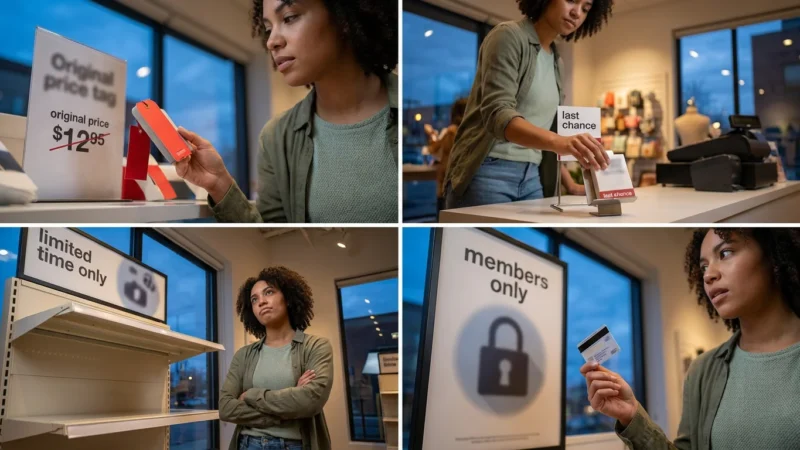
Before you begin your stack, it is essential to learn how to spot a fake sale to ensure you are starting with a genuine discount.
Retailers operate on cycles. Groceries generally operate on 6 to 12-week sales cycles. If your favorite cereal is on sale today, it will likely be at full price next week, but it will return to the sale price in about six weeks. The key to this layer is stocking up only when the item hits its lowest price cycle.
Weekly Flyers and Digital Ads
You no longer need to wait for the Sunday paper. Most major grocery chains and pharmacies publish their weekly ads online or in their apps every Wednesday or Thursday. Reviewing these ads is the first step in planning your shop. Look for “Loss Leaders”—items sold at or below cost to get you into the store (e.g., turkeys at Thanksgiving or eggs at Easter).
Clearance Sections
Clearance is the hidden goldmine of stacking. Manufacturers constantly update packaging. When a shampoo bottle changes from blue to green, the “old” blue bottles move to clearance. These items are still perfectly good. Importantly, coupons usually still work on clearance items unless the coupon fine print specifically excludes them.
According to the Consumer Financial Protection Bureau (CFPB), creating a budget and sticking to it is essential for financial health. When you identify these sales, adjust your weekly meal plan around what is discounted rather than buying what you crave and hoping for a deal.

Layer 2: Manufacturer vs. Store Coupons
This is where the magic happens. To stack effectively, you must understand the difference between a Manufacturer Coupon and a Store Coupon.
Understanding when to save and when to splurge on generic versus name-brand items is crucial since manufacturer coupons usually only apply to the latter.
- Manufacturer Coupons (MFR): These are issued by the brand (e.g., Tide, Colgate, General Mills). The brand reimburses the store for the value of the coupon. You can generally only use one MFR coupon per item purchased.
- Store Coupons: These are issued by the retailer (e.g., Target Circle, Walgreens IVC, CVS Store Coupon). This is a discount the store offers from its own margin.
The “Double Dip” Rule
Most retailers allow you to use one Manufacturer Coupon AND one Store Coupon on the same item. This is the classic “stack.”
For example, if a drugstore sells toothpaste for $4.00, and they offer a $1.00 store coupon in their app, the price drops to $3.00. If you also have a $2.00 manufacturer coupon (clipped from a newspaper or added digitally), you present both. The register deducts both, bringing your total to $1.00.
Digital vs. Paper: While paper coupons still exist, digital coupons are now dominant. You “clip” them in the store’s app, and they attach to your phone number or loyalty card. When you type your number at checkout, the system automatically applies the discounts. However, read the fine print carefully. Some digital coupons are “Store” and some are “Manufacturer.” The app will usually label them clearly.
Layer 3: Cashback Portals and Receipt Apps
After you pay at the register, the savings continue. This layer happens post-purchase or works in the background during the transaction.
Receipt Scanning Apps
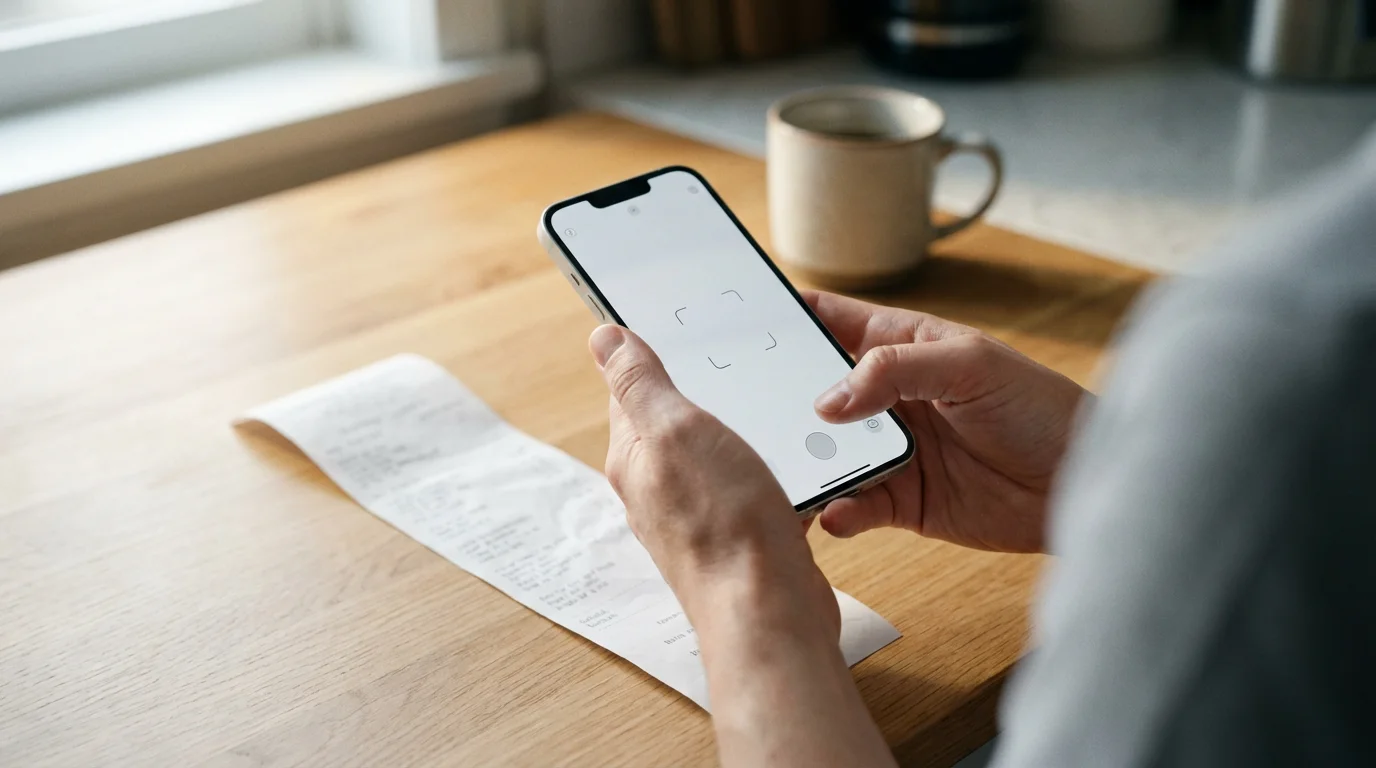
Several popular mobile apps pay you for buying specific products. After shopping, you open the app, select the offers you purchased (e.g., “$1.00 cash back on OREO cookies”), and take a photo of your receipt. The app verifies the purchase and deposits cash into your account within 24 to 48 hours.
These apps are actually data collection tools. Brands pay the app to gather data on consumer spending habits, and the app shares a portion of that revenue with you. According to the Federal Trade Commission (FTC), it is important to understand how your data is used. Always review the privacy policies of these applications to ensure you are comfortable with the information being shared.
Online Cashback Portals
For online shopping, never go directly to a retailer’s website. Start at a cashback portal. These sites (like Rakuten, TopCashback, or Swagbucks) act as affiliates. If you click their link to go to Macy’s or Home Depot, the retailer pays them a commission. The portal then splits that commission with you.
For example, if a portal offers 10% cashback at a clothing store, and you spend $100, you will see $10 accumulate in your portal account, which is later sent via check or PayPal. This stacks on top of any promo codes you used at checkout.

Layer 4: Payment Method Rewards
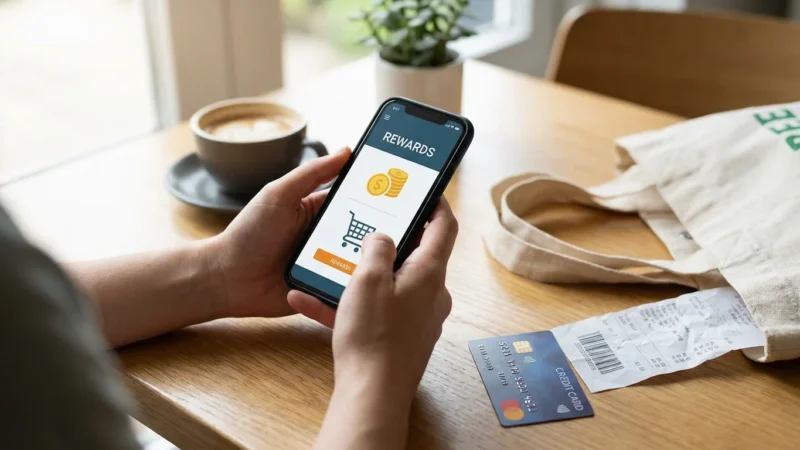
The final layer of the stack is how you pay for the transaction. Using a rewards credit card can earn you an additional 1% to 5% back on the purchase.
For major annual purchases, knowing whether to shop Black Friday vs. Cyber Monday can help you decide when to deploy your most valuable coupon stacks.
Warning: This strategy only works if you pay your credit card bill in full every month. If you carry a balance, the interest you pay will likely far exceed the value of any rewards you earn. As noted by the CFPB, understanding the Annual Percentage Rate (APR) is critical; high-interest debt can quickly negate savings strategies.
If you prefer not to use credit cards, look for debit cards that offer rewards, or use discounted gift cards. You can sometimes buy gift cards for your favorite stores at a discount (e.g., paying $45 for a $50 gift card) on reputable resale sites. Paying with a discounted gift card is an instant, guaranteed saving.

Step-by-Step Grocery Stacking Strategy
Let’s put this into practice with a concrete workflow for a grocery trip. Following a system reduces stress and prevents you from holding up the line at checkout.
If you find physical or digital coupons too time-consuming, you can still learn how to save money on groceries without clipping coupons using alternative strategies.
- The Scouting Phase: Check your grocery store’s app for the weekly ad. Identify what is on sale (Layer 1).
- The Digital Clip: While in the app, look for digital coupons that match the sale items. “Clip” them to your account (Layer 2).
- The Rebate Match: Open your rebate/cashback apps. Scan the database to see if any rebates match the items you plan to buy. Add them to your list (Layer 3).
- The Shop: Go to the store. Stick to your list. verify the exact size and scent matches the coupon requirements.
- The Checkout: Enter your loyalty phone number. Watch the digital coupons deduct from the total. Pay with your rewards credit card (Layer 4).
- The Scan: Once you get to your car or kitchen table, photograph the receipt into your rebate apps immediately. Do not wait, or you might forget/lose the receipt.
By following this routine, a $100 grocery bill can often be reduced to $60 or $70, with another $5 to $10 coming back later via rebate apps.

The Online Shopping Stack
Stacking works differently online because you cannot usually stack multiple coupon codes (most sites allow only one promo code per order). However, you can still build a powerful stack.
The Browser Extension Assistant
Install a browser extension that automatically tests coupon codes at checkout. These tools cycle through known database codes to find the one that gives the biggest discount. This saves you from Googling “promo codes” and trying expired ones.
The Discounted Gift Card Trick
For large purchases (like appliances or electronics), buy a discounted gift card first. If you need a $500 dryer from a home improvement store, and you can buy a $500 gift card for $450 on a verified resale site, you have saved $50 before you even start shopping.
The Workflow
1. Find the item and add it to your cart.
2. Activate the cashback portal extension (Layer 3).
3. Apply the best promo code using your browser tool (Layer 1 & 2).
4. Pay using the discounted gift card you bought, or a high-rewards credit card (Layer 4).

Common Pitfalls and “Gotchas”
Even experienced savers fall into traps. Be aware of the psychological triggers retailers use to make you spend more.
The “Spend to Save” Trap
Retailers often use “Threshold Coupons,” such as “Save $10 when you spend $50.” If you have $40 worth of groceries in your cart, you might be tempted to add $10 of junk just to use the coupon. In reality, you just spent an extra $10 to save $10 (a wash), or worse, bought items you won’t use. Only chase the threshold if you have legitimate items to buy.
Ignoring Unit Price
Sometimes, even with a coupon, the name brand is more expensive than the store brand. Always check the unit price (price per ounce or per pound). If the name brand is $5.00 with a $1.00 coupon ($4.00 total), but the generic brand is $3.50, the coupon did not make it the best deal.
Taxability of Savings
Generally, rebates and cashback earned from shopping are considered “discounts” rather than income by the Internal Revenue Service (IRS), meaning they are usually not taxable. However, bonuses for referring friends to these apps are considered income. If you earn over $600 in referral bonuses, you may receive a tax form. Always keep track of your earnings.

When to Consult a Financial Professional
While stacking coupons and maximizing sales is a powerful habit for everyday cash flow, it is not a cure-all for deep financial issues. There are specific times when DIY money management isn’t enough, and professional guidance is necessary.
You should consider seeking help from a Certified Financial Planner (CFP) or a non-profit credit counselor if:
- You are using credit cards to cover basic expenses: If you are relying on credit to bridge the gap between paychecks, you need a debt management plan, not just coupons.
- Shopping has become compulsive: If the “thrill of the deal” leads you to hoard items you don’t need or hide purchases from family members, this may indicate a shopping addiction.
- You are facing foreclosure or bankruptcy: These are legal and financial emergencies requiring immediate professional intervention.
- You have complex tax situations: If your side hustles or investments are complicating your taxes, a CPA is essential.
For free or low-cost advice, the National Foundation for Credit Counseling (NFCC) connects consumers with certified counselors who can help with budgeting and debt management plans. Additionally, resources from USA.gov Benefits can help you determine if you qualify for government assistance programs that provide more stability than couponing alone.
Frequently Asked Questions
Is coupon stacking worth the time investment?
For most people, casual stacking (using an app and a credit card) takes less than 5 minutes per week and can save $20-$50. Extreme stacking takes more time. Treat it like a wage: if you spend an hour to save $50, you essentially earned $50 an hour tax-free. Start small and see if the savings justify your effort.
Can I stack coupons at every store?
No. Every retailer has a specific coupon policy. Some allow stacking manufacturer and store coupons (Target, Walgreens, CVS), while others do not. You can usually find the policy on the store’s website or at the customer service desk.
What are the risks of using cashback apps?
The primary risk is data privacy. You are trading your purchase history for cash. Additionally, some users may overspend to reach a “bonus” level on an app. Always prioritize your budget over the app’s gamified goals.
When should I consult a professional about my spending?
If your couponing or deal-hunting is causing you to accumulate debt, hoard unnecessary items, or create conflict in your relationships, you should speak with a financial therapist or credit counselor. Visit the NFCC for guidance.
Does using coupons affect my credit score?
Using coupons and rebates does not affect your credit score. However, opening multiple store credit cards to get a “first purchase discount” does impact your credit report via hard inquiries. According to FICO (the data analytics company that calculates credit scores), new credit applications can temporarily lower your score.
Are cashback rewards taxable?
In most cases, cashback earned on purchases is treated as a rebate (a reduction in purchase price) and is not taxable income. However, referral bonuses (getting paid to invite friends) are considered income. Refer to IRS guidelines or a tax professional for your specific situation.
Last updated: January 2026. Information accurate as of publication date. Financial regulations, rates, and programs change frequently—verify current details with official sources.
This article was reviewed for accuracy by our editorial team.
For trusted financial guidance, visit
Social Security Administration (SSA),
Federal Trade Commission (FTC),
Federal Deposit Insurance Corporation (FDIC) and
Securities and Exchange Commission (SEC).
Important: EasyMoneyPlace.com provides educational content only. We are not licensed financial advisors, tax professionals, or registered investment advisers. This content does not constitute personalized financial, tax, or legal advice. Laws and regulations change frequently—verify current information with official sources.
Disclaimer: This article is for informational purposes only and does not constitute financial, tax, or legal advice. Individual financial situations vary, and we encourage readers to consult with qualified professionals for personalized guidance. For those experiencing financial hardship, free counseling is available through the National Foundation for Credit Counseling.







Leave a Reply