
Opening your utility bill shouldn’t feel like a monthly shock to your system. Yet, for millions of households, rising energy costs create significant anxiety and strain on monthly budgets. Whether you are battling the heat of summer or the chill of winter, keeping the lights on and the temperature comfortable often comes with a steep price tag.
Controlling your energy consumption is one of several 15 painless ways to save $500 this month without sacrificing your lifestyle.
The good news is that you have more control over these costs than you might think. You don’t need to live in the dark or freeze in your own living room to see a difference. By making strategic changes to your home environment, adjusting daily habits, and understanding how your home consumes energy, you can permanently lower your expenses.
Audience Scope: This guide is for U.S. residents managing household expenses, including renters and homeowners. If you have complex circumstances such as business ownership, rental property portfolios, or require commercial-grade energy solutions, we recommend consulting with a qualified financial or energy professional.

Key Takeaways
- Heating and cooling dominate costs: Temperature control accounts for nearly half of the average utility bill, making it your biggest target for savings.
- Small leaks add up: addressing air drafts and water leaks costs very little upfront but yields compounding savings every month.
- Behavior beats technology: While smart thermostats help, simple habit changes like cold-water washing and adjusting window treatments are free and effective.
- Water temperature matters: Lowering your water heater temperature and using flow restrictors can significantly reduce gas or electric usage.
- Assistance is available: Various government and local programs exist to help those struggling with high energy burdens.
Step 1: Audit Your Energy Use
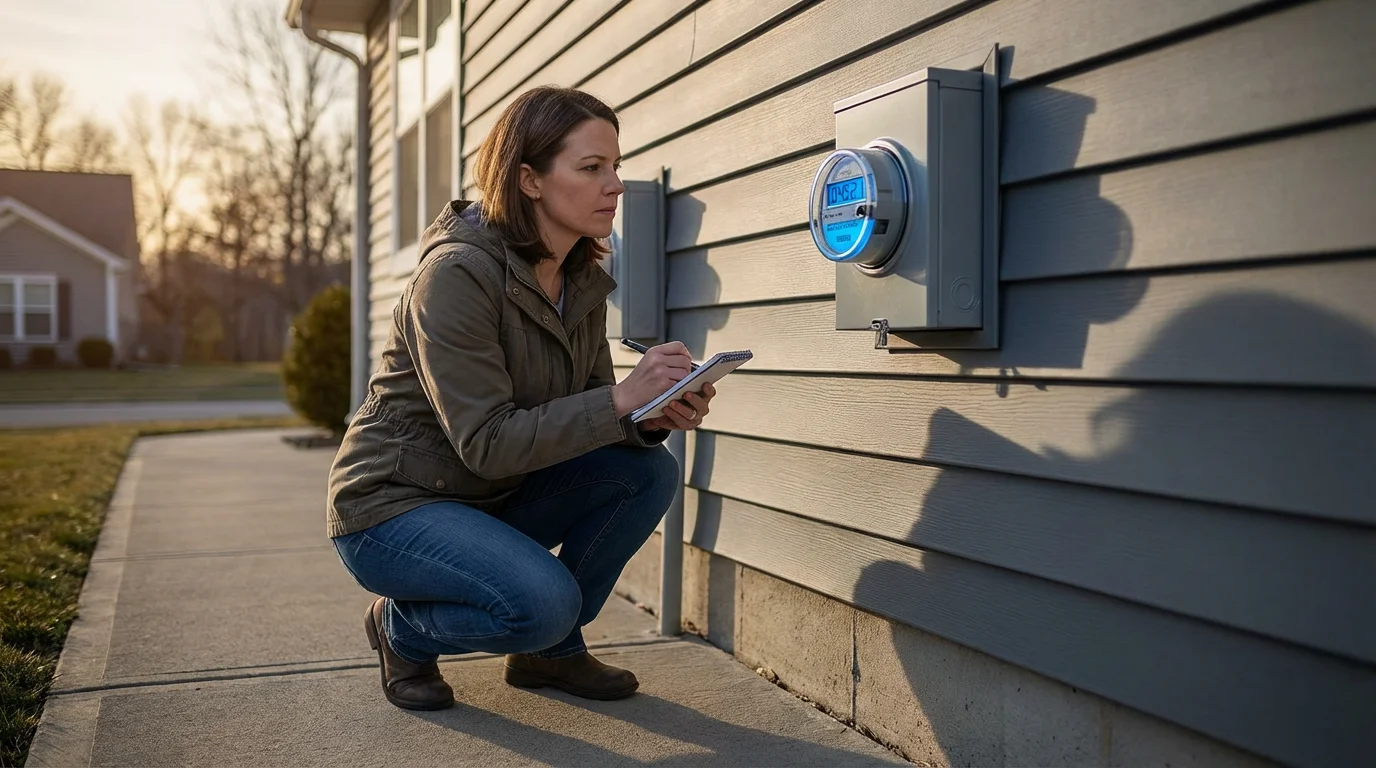
Before you start buying weatherstripping or yelling at your family to turn off the lights, you need to understand where your money is actually going. A utility bill is more than just a “total due” amount; it is a data sheet revealing your consumption habits.
Beyond reducing usage, you may also be able to negotiate lower bills by contacting your providers directly to discuss rate options.
Deciphering the Bill
Most utility bills are split into two main components: supply and delivery. Supply is the cost of the actual electricity or gas you use. Delivery is the cost of bringing it to your house through wires and pipes. While you cannot usually change delivery fees, you can directly influence the supply portion by reducing usage.
Look for your usage history graph. This typically shows your consumption over the last 12 months. Identify your peak months. If your bill spikes in July and August, your primary focus should be cooling. If it skyrockets in January, your heating system or insulation is the culprit.
The DIY Home Walkthrough
Conduct a simple visual inspection of your home. On a windy day, carefully move a lit candle or an incense stick around window frames, door jams, and electrical outlets on outer walls. If the smoke wavers horizontally, you have an air leak. Note these locations; sealing them is one of the cheapest ways to save money immediately.

Mastering Heating and Cooling
Your HVAC (Heating, Ventilation, and Air Conditioning) system is the hungriest appliance in your home. According to Consumer Reports, heating and cooling can account for about half of your home’s energy usage. Taming this beast is the most effective way to lower your bill.
Lowering your utility costs is a perfect example of how to save money while still enjoying life and maintaining a comfortable home environment.
The Thermostat Strategy
You do not need to suffer to save, but you do need to be strategic. The “set it and forget it” method often leads to wasted money, especially when you are asleep or away at work.
Adopt the “8-degree rule.” In the winter, set your thermostat back 8 degrees while you are at work or sleeping. In the summer, set it forward 8 degrees during the same times. The Department of Energy suggests this can save you up to 10% a year on heating and cooling. A programmable or smart thermostat makes this automatic, removing the need for you to remember every morning.
Maintenance Matters
A dirty air filter restricts airflow, forcing your system to work harder and run longer to achieve the target temperature. Replace your filters every 60 to 90 days (or more often if you have pets). This costs less than $20 but prevents the system from overworking, which saves electricity and extends the lifespan of the unit.
Cutting Water Heating Costs
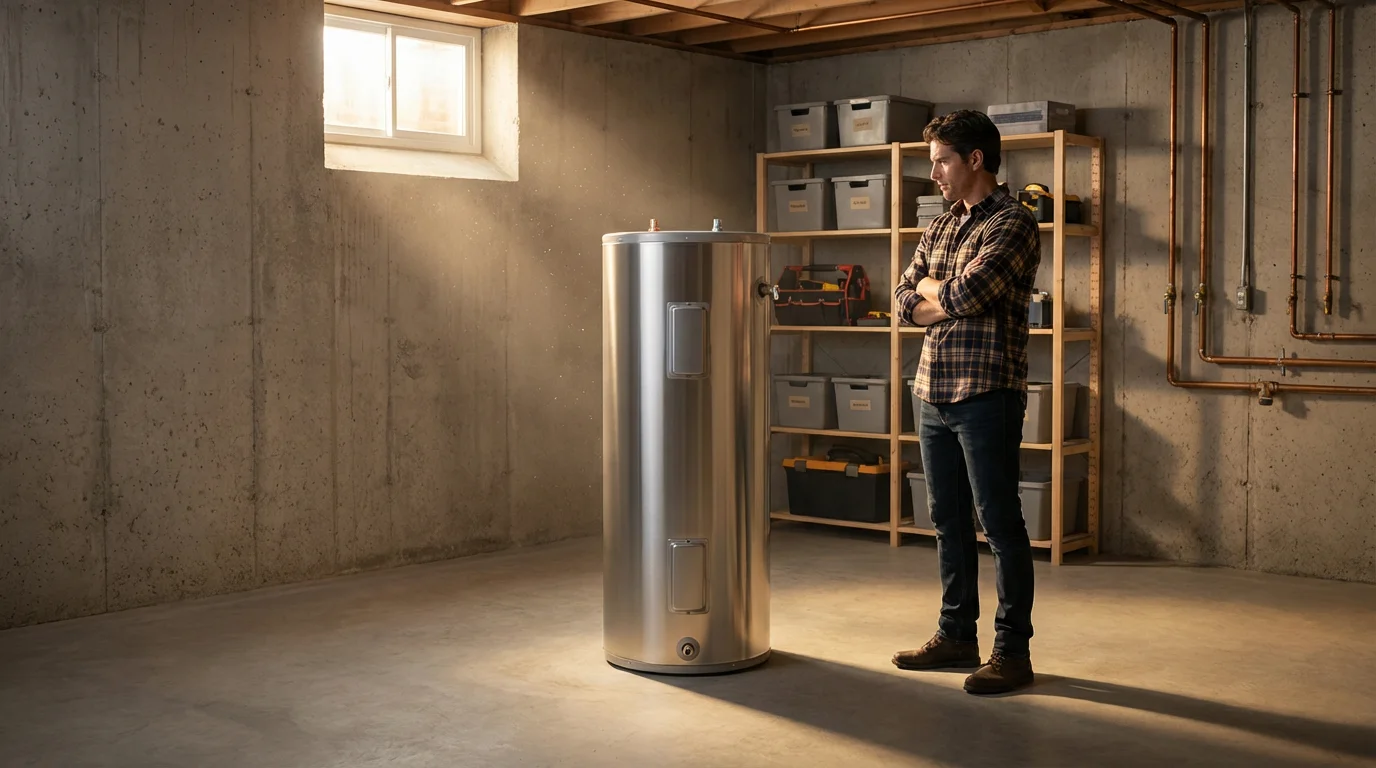
After HVAC, water heating is typically the second-largest energy expense in the home. You pay to bring water into your home, you pay to heat it, and often you pay sewer fees for it to leave. Reducing hot water usage attacks your bill from three angles simultaneously.
Lower the Temperature
Manufacturers often ship water heaters with the thermostat set to 140°F. For most households, this is dangerously hot and unnecessary. Lowering the temperature to 120°F serves two purposes: it reduces the energy required to maintain the water temperature, and it slows mineral buildup and corrosion in your pipes. This simple adjustment costs nothing and takes five minutes.
Low-Flow Fixtures
If your showerhead was installed before 1992, you might be using 5.5 gallons of water per minute. Modern low-flow showerheads use 2.5 gallons or less while maintaining excellent pressure. This cuts your hot water consumption in half without changing the length of your shower.
Optimizing Major Appliances
Your appliances are the workhorses of your home. Using them efficiently requires a mix of maintenance and behavioral changes.
While optimizing appliance use helps your utility budget, you can find similar rewards when you learn how to save money on groceries through simple habit shifts.
The Laundry Room
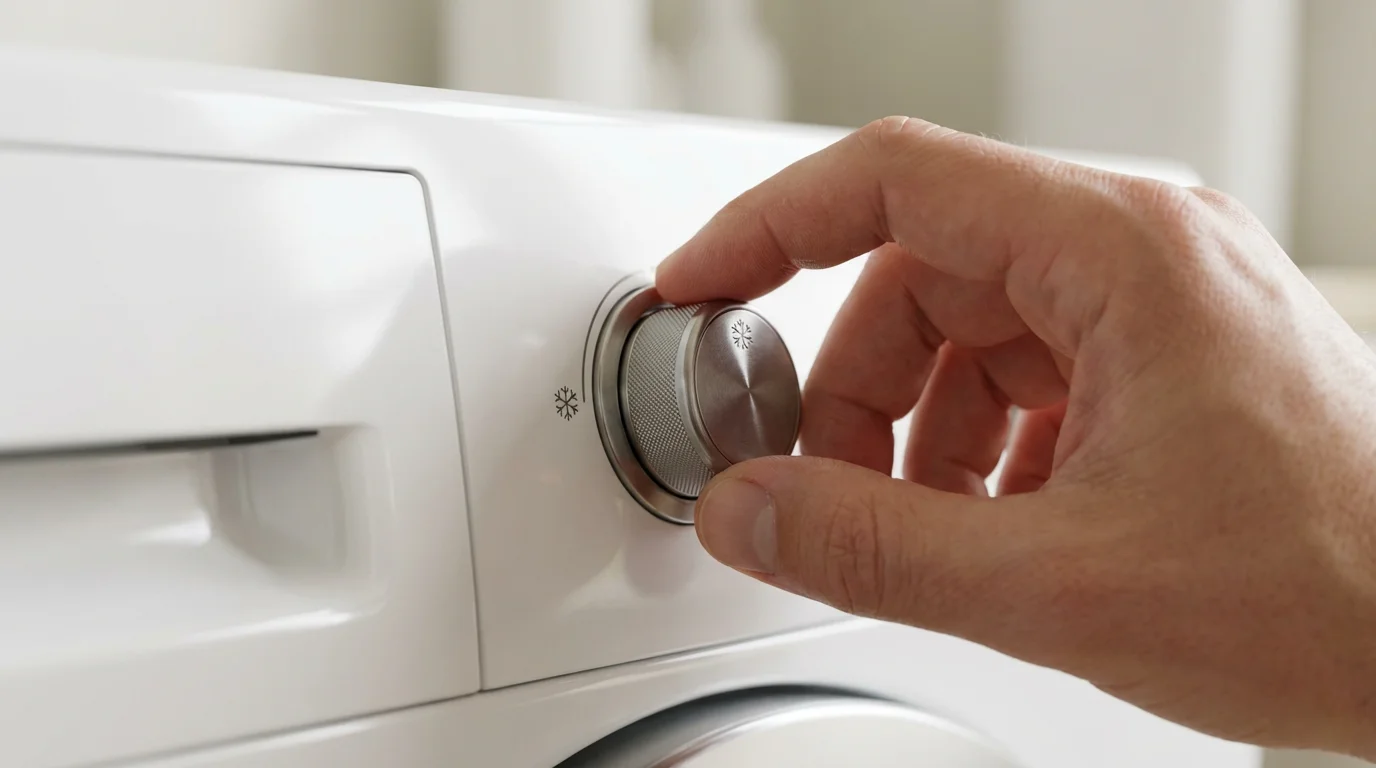
Heating water accounts for about 90% of the energy needed to run a washing machine. Switching from hot water to cold water for your laundry loads is an immediate money-saver. Modern detergents are enzymatic and formulated specifically to work effectively in cold water. Unless you are sanitizing cloth diapers or hospital scrubs, cold water gets the job done.
Additionally, clean your dryer’s lint trap after every single load. A clogged trap reduces airflow, forcing the dryer to run longer. If your dryer has a moisture sensor, use it. This feature shuts the machine off once clothes are dry, rather than running for a set time and “baking” your clothes unnecessarily.
The Refrigerator
Your fridge runs 24/7. To keep it efficient, vacuum the coils (usually located at the bottom or back) once or twice a year. Dust buildup insulates the coils, making the compressor work harder to release heat. Also, keep your fridge fastidiously full—but not overcrowded. Solids and liquids retain cold better than air. If your fridge is empty, fill a few pitchers with water to take up space.

Lighting and Phantom Loads
Lighting technology has changed rapidly. If you still have incandescent bulbs in your home, you are literally burning money. An LED bulb uses at least 75% less energy and lasts 25 times longer than incandescent lighting.
Banish the Vampires
“Phantom load” or “vampire power” refers to the electricity electronics consume when they are turned off but still plugged in. Computers, gaming consoles, TVs, and coffee makers are common culprits. According to the Consumer Financial Protection Bureau (CFPB), managing small recurring expenses is a key part of financial health; eliminating phantom loads is a perfect example of this.
You don’t need to unplug everything manually. Use advanced power strips for your entertainment center and home office. These strips can sense when a “master” device (like the TV) is turned off and automatically cut power to “peripheral” devices (like the soundbar and game console), preventing them from drawing power unnecessarily.
Weatherproofing: The DIY Approach
Think of your home as an envelope. If the envelope isn’t sealed, you are paying to heat or cool the neighborhood. You do not need to be a contractor to improve your home’s envelope.
Consider adding a weatherproofing inspection to your spring financial cleanup to ensure your home remains efficient year-round.
Windows and Doors
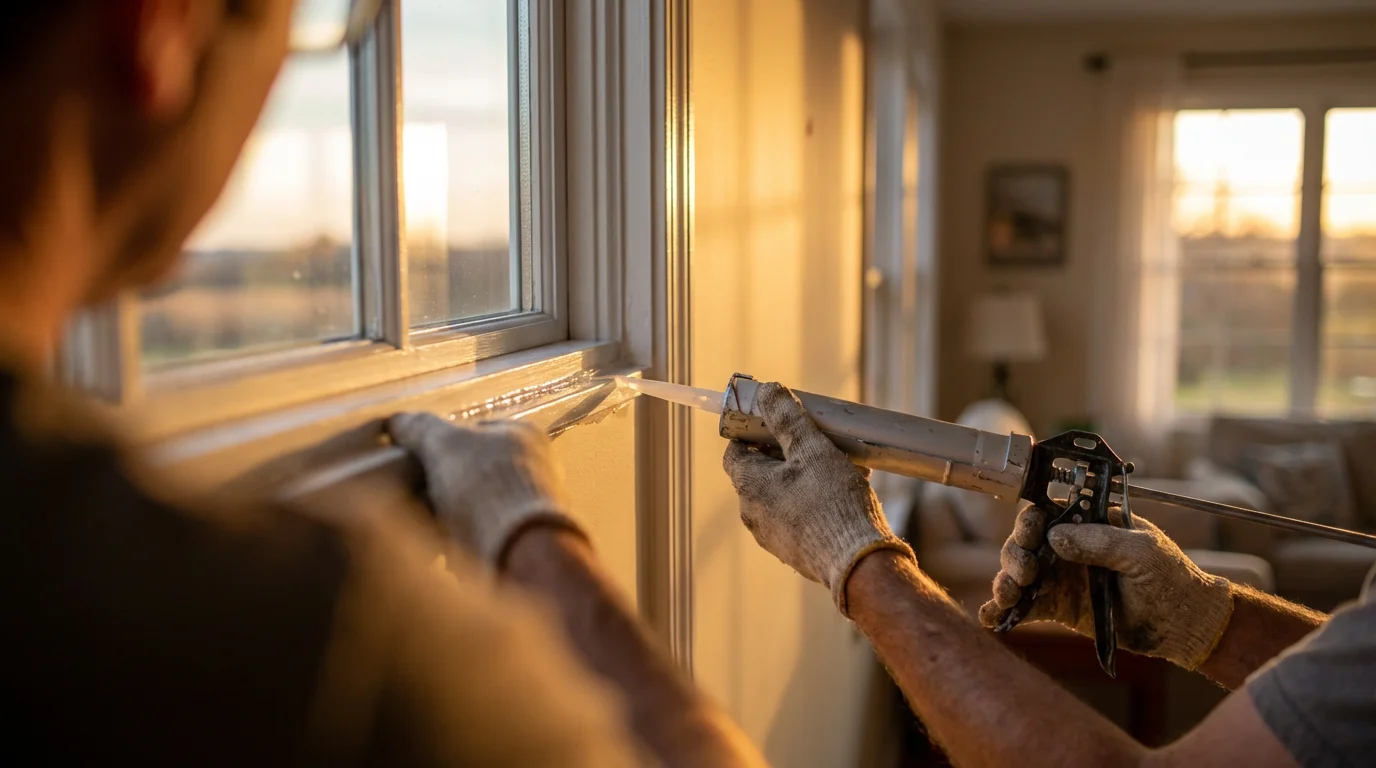
Drafty windows are a major energy drain. While replacing windows is expensive, sealing them is cheap.
Weatherstripping: Apply foam or V-seal weatherstripping around movable parts of windows and doors.
Caulking: Use clear silicone caulk to seal cracks around stationary window frames.
Door Sweeps: If you can see light coming in under your front door, air is getting out. Install a rubber door sweep to bridge the gap.
“The cheapest energy is the energy you don’t use. Sealing leaks is the single most cost-effective step a homeowner can take.”

Seasonal Strategies: Summer vs. Winter
Different seasons require different tactics. Adapting your home environment to the weather allows your HVAC system to rest.
Winter: Harness the Sun
In the winter, open curtains on your south-facing windows during the day. This allows sunlight to naturally heat your home (passive solar gain). As soon as the sun goes down, close the curtains to trap that heat inside. If you have drafty windows, thermal curtains can provide an extra layer of insulation.
Summer: Block the Heat
In the summer, do the opposite. Keep window coverings closed during the day to block solar heat. Ceiling fans are your best friend in the summer, but remember: fans cool people, not rooms. They work by the wind-chill effect on your skin. If you leave a room, turn the fan off, or you are just wasting electricity.

Estimated Savings Potential
It can be helpful to prioritize tasks based on effort and reward. This table outlines common actions and their potential impact on your wallet.
| Action | Upfront Cost | Effort Level | Potential Savings |
|---|---|---|---|
| Adjusting Thermostat (8° setback) | $0 | Low | High (up to 10%/year) |
| Washing Clothes in Cold Water | $0 | Low | Medium |
| Sealing Air Leaks (Caulk/Strip) | $20 – $50 | Medium | High |
| Switching to LED Bulbs | $2 – $5 per bulb | Low | Medium |
| Lowering Water Heater Temp | $0 | Low | Medium |
| Changing HVAC Air Filters | $10 – $20 | Low | Medium (prevents repairs) |

Assistance Programs and Payment Plans
Sometimes, efficiency tips aren’t enough. If you are facing financial hardship, you should know that help is available. Utility companies and government agencies offer programs specifically designed to keep essential services running.
Reducing your monthly energy burden provides the extra cash flow needed to learn how to build an emergency fund from scratch.
LIHEAP
The Low Income Home Energy Assistance Program (LIHEAP) helps eligible low-income households pay for heating and cooling costs. According to USA.gov Benefits, this federally funded program can assist with bill payment, energy crisis assistance, and weatherization/energy-related home repairs. Qualification is usually based on income and household size.
Budget Billing
Most utility companies offer “budget billing” or “level pay.” This doesn’t lower your total cost, but it averages your annual usage into equal monthly payments. This eliminates the shock of a massive bill in January or July, making budgeting much easier and more predictable.
Common Pitfalls to Avoid
In the quest to save money, homeowners sometimes make mistakes that end up costing more or creating safety hazards.
- Closing Vents: Many people believe closing vents in unused rooms saves money. In central HVAC systems, this actually increases pressure in the ductwork, leading to leaks and forcing the blower to work harder, which can shorten the system’s life.
- Space Heaters: Using a space heater to warm one small room while turning down the central heat can be effective. However, running multiple space heaters in different rooms is almost always more expensive than running your central gas furnace. They also pose a significant fire risk if left unattended.
- Ignoring Small Drips: A faucet dripping one drop per second wastes over 3,000 gallons of water a year. Ignoring “minor” plumbing issues is literally flushing money down the drain.

When to Consult a Financial Professional
While most of the advice in this guide is DIY-friendly, there are times when you need expert guidance to ensure you are making sound financial decisions. Here are specific scenarios where professional help is recommended:
Once you have successfully optimized your household budget, you may want to research high-yield savings accounts to ensure your savings are earning the best possible return.
- Investing in Solar or Geothermal: Before taking out a loan for a $20,000+ solar array, consult a CPA or financial advisor to understand the tax credits, Return on Investment (ROI), and how the debt affects your overall financial picture.
- Persistent Financial Hardship: If you are consistently unable to pay utility bills despite cutting usage, it may be a symptom of a larger budget deficit. The National Foundation for Credit Counseling (NFCC) can connect you with certified counselors to help you manage debt and create a sustainable budget.
- Evaluating Energy Efficient Mortgages: If you are buying a home and considering an Energy Efficient Mortgage (EEM) to finance upgrades, speak with a mortgage professional to understand the long-term cost implications.
Frequently Asked Questions
Does unplugging appliances really save money?
Yes. The Department of Energy estimates that “vampire energy”—power used by devices in standby mode—accounts for 5% to 10% of residential energy use. While unplugging a phone charger saves pennies, unplugging a gaming console, older TV, or desktop computer setup can save significantly more over a year.
Is it cheaper to leave the heat on all day or turn it off?
It is generally cheaper to turn the heat down (not necessarily off) when you are away. The widely held myth that “it takes more energy to warm the house back up than to maintain the temperature” has been debunked. The slower the heat loss from your home to the outside, the less energy you use. Lowering the inside temperature slows that heat loss.
When should I consult a professional about my energy bills?
You should consult a professional contractor if you suspect structural issues like missing insulation, or if your HVAC system is over 15 years old and inefficient. Financially, if your utility debts are leading to collections or threatening your credit score, you should consult a credit counselor immediately.
Are tankless water heaters worth the investment?
Tankless heaters are more efficient (8%–34% more efficient depending on usage) because they heat water only when needed. However, the upfront installation cost is high. You need to calculate the “payback period”—how many years of savings it takes to cover the installation cost. For many, this period is 10+ years.
What are the risks of DIY weatherproofing?
The main risk is trapping moisture or pollutants inside the home. Homes need to “breathe” slightly to ensure air quality and prevent mold. If you seal a house too tightly without proper ventilation, you risk carbon monoxide buildup or mold growth. Always ensure you have working carbon monoxide detectors on every floor.
Do solar panels eliminate electric bills completely?
Rarely. Most solar setups are grid-tied, meaning you still pay a connection fee to the utility company. Furthermore, you will still pull power from the grid at night or during cloudy periods unless you have expensive battery storage. Solar significantly reduces bills, but rarely eliminates the bill entirely.
Can renters save money on utilities?
Absolutely. Renters can change light bulbs to LEDs (keep the old ones to swap back when moving), use weatherstripping tape (which peels off), install low-flow showerheads, and adjust their habits regarding laundry and thermostat settings. Always ask your landlord before making semi-permanent changes.
How do I know if an energy-saving device is a scam?
Be wary of devices that claim to cut your bill by huge percentages (like 40%) simply by plugging them into an outlet. The Federal Trade Commission (FTC) warns consumers about “power saver” devices that claim to stabilize your current but offer zero real-world savings.
Last updated: January 2026. Information accurate as of publication date. Financial regulations, rates, and programs change frequently—verify current details with official sources.
This article was reviewed for accuracy by our editorial team.
For trusted financial guidance, visit
USA.gov Benefits,
National Credit Union Administration (NCUA),
AARP Money,
National Foundation for Credit Counseling (NFCC) and
FINRA Investor Education.
Important: EasyMoneyPlace.com provides educational content only. We are not licensed financial advisors, tax professionals, or registered investment advisers. This content does not constitute personalized financial, tax, or legal advice. Laws and regulations change frequently—verify current information with official sources.
Disclaimer: This article is for informational purposes only and does not constitute financial, tax, or legal advice. Individual financial situations vary, and we encourage readers to consult with qualified professionals for personalized guidance. For those experiencing financial hardship, free counseling is available through the National Foundation for Credit Counseling.









Leave a Reply