
Winter brings cozy sweaters and hot cocoa, but for many Americans, it also brings the dread of opening the utility bill. Watching your heating costs skyrocket while the temperature drops is a stressful annual tradition that many of us would gladly skip. Whether you heat with natural gas, electricity, propane, or oil, the cost of staying warm is a significant portion of the household budget. Fortunately, you don’t have to choose between draining your bank account and shivering in your own living room.
Lowering your thermostat is just one of many painless ways to save money without sacrificing your quality of life.
You can take control of your energy usage with practical, actionable changes that don’t require a degree in engineering. Some solutions cost nothing but a change in habit, while others require a small weekend project. The goal isn’t to make your home uncomfortable; it is to make your home efficient so that every dollar you spend actually warms your family rather than leaking out through the cracks.
Audience Scope: This guide is for U.S. residents managing household budgets, including renters and homeowners. If you have complex circumstances such as rental property ownership, significant tax implications regarding energy credits, or severe structural home issues, we recommend consulting with a qualified tax professional or structural engineer.
Key Takeaways
- Stop the Leaks: Drafty windows and doors are the biggest invisible thieves of your heating budget; sealing them is often a cheap DIY fix.
- Smart Thermostat Management: Adjusting your thermostat by just 7-10 degrees for 8 hours a day can save up to 10% a year on heating.
- Maintain Your System: A neglected furnace works harder and costs more to run; simple filter changes make a massive difference.
- Assistance is Available: Federal and state programs exist to help qualifying households cover heating costs during extreme weather.
- Zone Heating Strategy: Heating only the room you are in can be cheaper than heating the whole house, provided you do it safely.
1. Master the Thermostat Settings
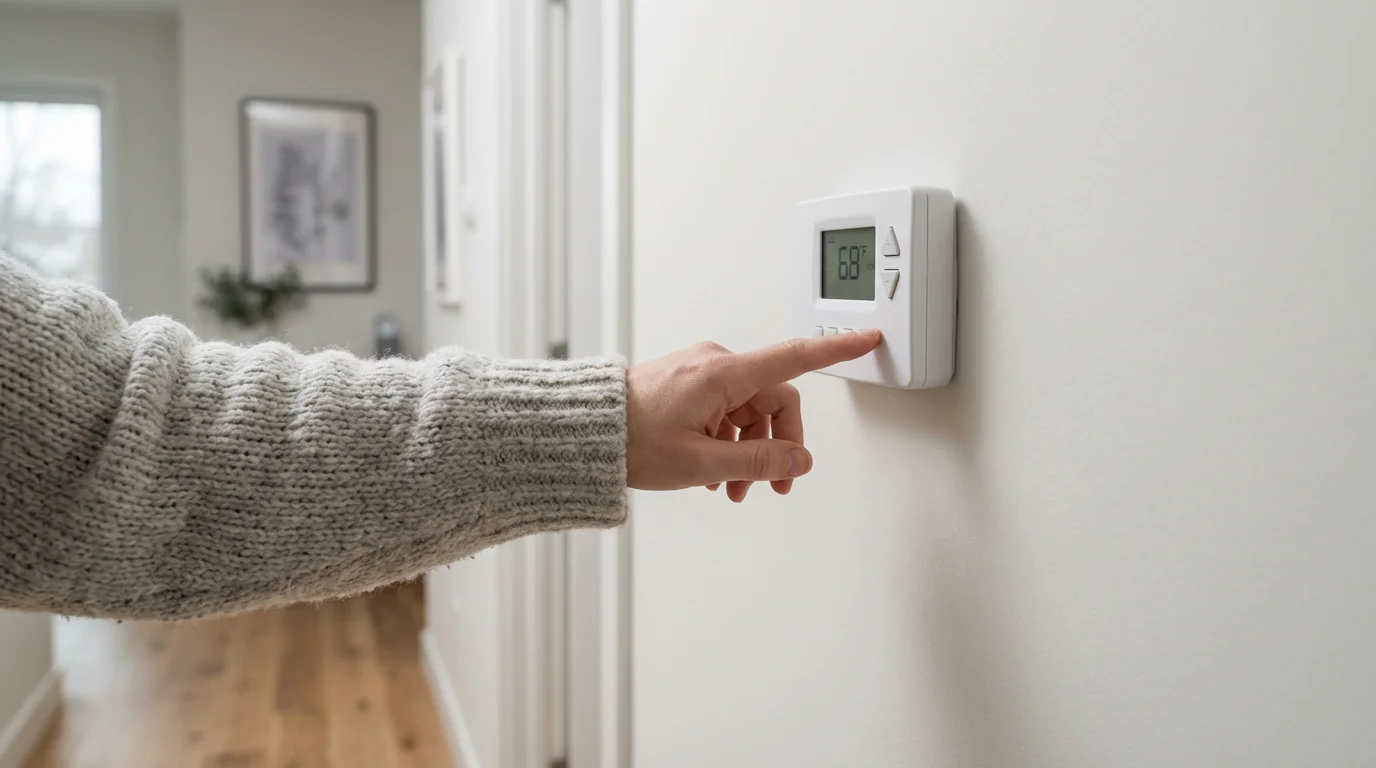
The thermostat is your command center for savings, yet many people set it and forget it. The most effective way to lower your bill immediately is to lower the temperature. You might fear that turning the dial down means freezing, but the body adapts surprisingly well, especially if you dress for the season inside your home.
While these tips focus on the cold, you can use similar logic to cut cooling costs when the summer heat waves arrive.
Controlling these seasonal expenses is a vital step when you are recovering from holiday debt and resetting your finances for the new year.
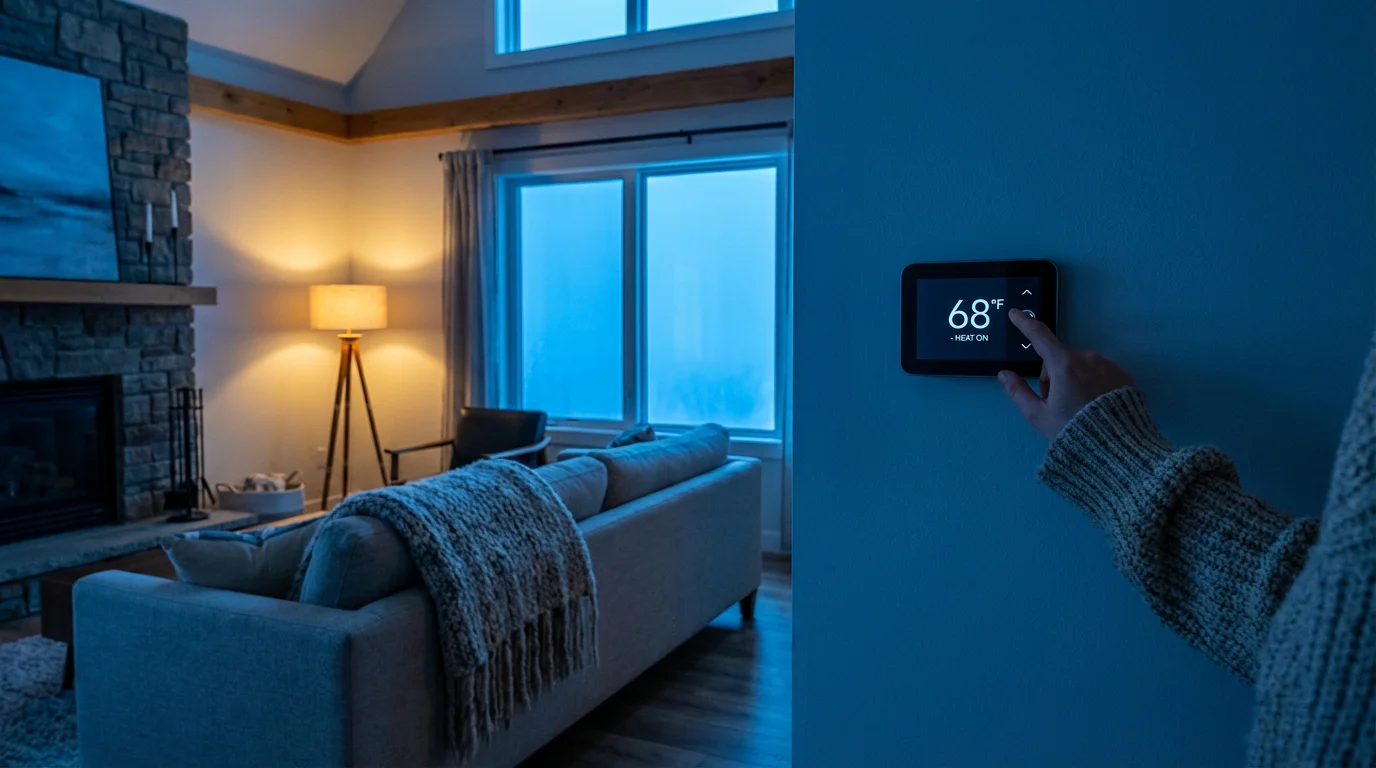
According to Consumer Reports, you can achieve significant savings by programming your thermostat to lower the heat when you are asleep or away at work. A common recommendation is setting your thermostat to 68°F (20°C) while you’re awake and setting it lower while you’re asleep or away from home.
The “Setback” Strategy
The concept of “setback” involves turning the thermostat back 7° to 10°F for 8 hours a day from its normal setting. There is a persistent myth that it costs more to re-heat the house than it does to maintain a constant temperature. This is incorrect for most modern systems. Heat moves to cold; the hotter your house is compared to the outside, the faster it loses energy. By keeping the house cooler for part of the day, you slow down that energy loss.
Smart Thermostats
If you have trouble remembering to adjust the dial, a smart thermostat or a programmable thermostat is a worthy investment. These devices learn your schedule and adjust automatically. Some local utility companies even offer rebates that cover the cost of the device entirely, so check your provider’s website before buying one at full price.

2. Seal the Envelope: Stop Drafts Cold
Imagine trying to fill a bucket with water while it has holes in the bottom. That is exactly what happens when you run a furnace in a drafty home. Warm air escapes, and cold air rushes in to replace it. Sealing these leaks is one of the highest-return activities you can do for your wallet.
How to find leaks: wait for a windy day, light an incense stick, and carefully walk it around your windows, doors, electrical outlets, and baseboards. If the smoke trail wavers or blows sideways, you have a leak.
DIY Fixes
- Weatherstripping: Apply adhesive foam or v-seal weatherstripping around movable parts of windows and doors. It costs very little and takes minutes to install.
- Door Sweeps: If you can see light coming in under your front or back door, money is escaping. Install a door sweep or use a weighted “draft snake” to block the gap.
- Caulking: Use acrylic latex caulk to seal stationary cracks around window frames and baseboards.
- Window Film: For older, single-pane windows, plastic window film kits (the kind you shrink with a hair dryer) create an insulating air pocket that mimics a double-pane window. It may not look fancy, but it is incredibly effective.
3. Harness Passive Solar Energy
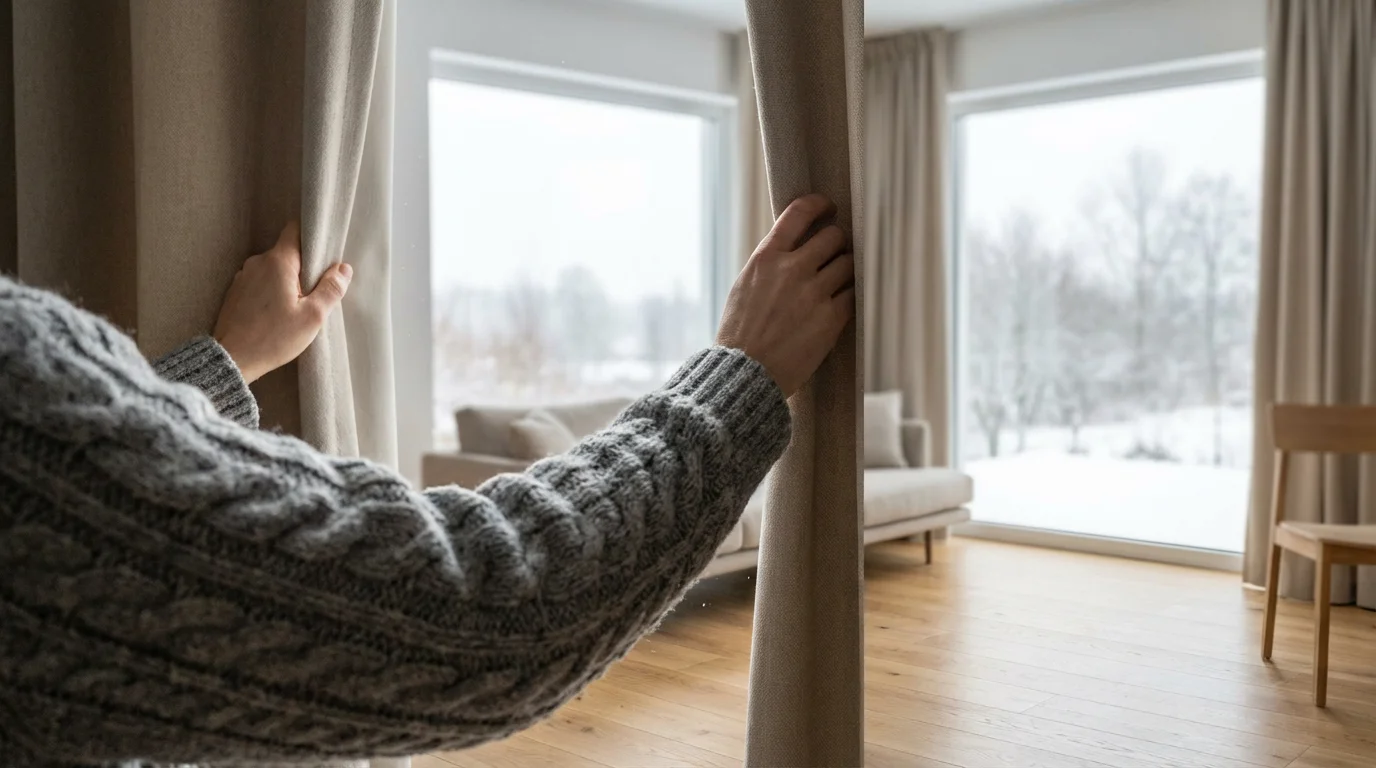
The sun provides free heat, even on cold days. You can lower your heating load simply by managing your curtains strategically. This is passive solar heating, and it requires zero financial investment.
Open curtains and blinds on your south-facing windows during the day to allow sunlight to naturally heat your home. This greenhouse effect can raise a room’s temperature by several degrees. However, the moment the sun goes down, you must close them. Windows are poor insulators; thick curtains act as a blanket, keeping that captured heat inside during the night. If you do not have thermal curtains, hanging a heavy blanket over a drafty window at night is a practical temporary solution.
4. Prioritize Furnace Maintenance
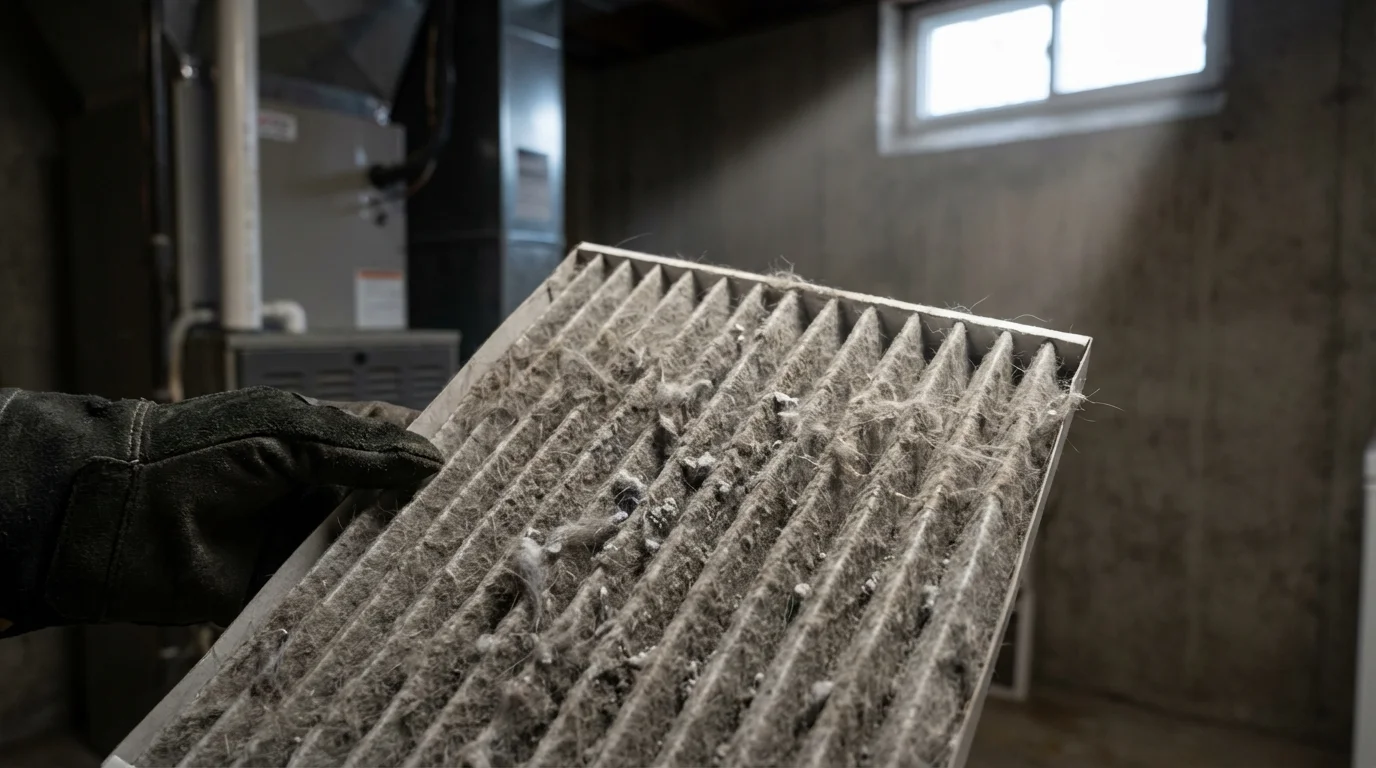
A neglected heating system has to work harder to push air through clogged filters and dirty components. This not only raises your monthly bill but also shortens the lifespan of your expensive equipment.
Routine checks prevent the need for expensive repairs, helping you build a budget that survives emergencies like a sudden mid-winter furnace failure.
Change the filter: Check your furnace filter every month during heating season. If it looks gray and fuzzy, replace it. A clean filter improves airflow and efficiency. Standard fiberglass filters are cheap, but pleated filters capture more dust—just be sure your system is rated for the higher restriction of pleated filters.
Professional Tune-up: While you can change a filter, you should consider hiring a pro for an annual inspection. They clean the blower, check the heat exchanger for cracks (a safety issue), and ensure the burner is efficient. It’s an upfront cost that prevents emergency breakdowns during a blizzard.
5. Optimize Your Water Heater
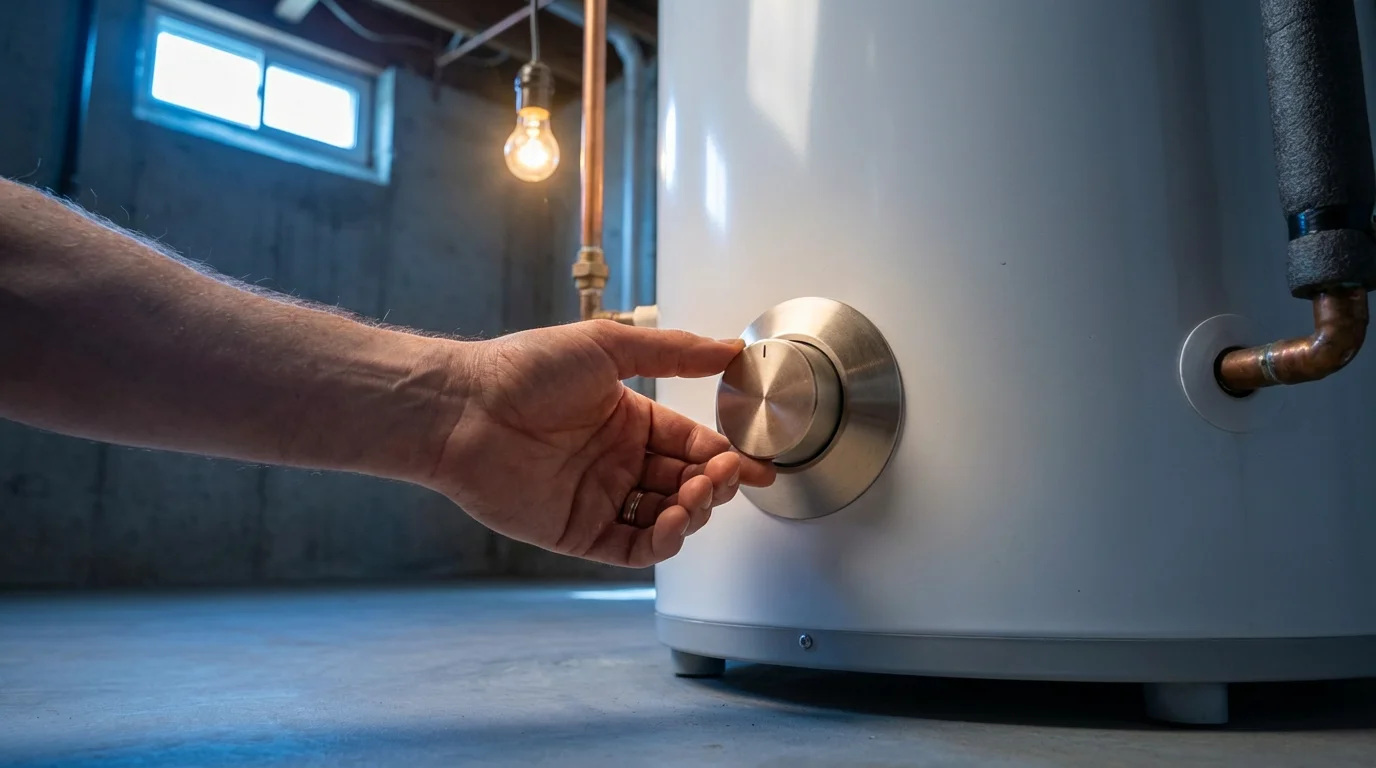
Water heating is often the second-largest energy expense in a home, accounting for about 18% of your utility bill. Because your water heater usually sits in a cold basement or garage, it constantly loses heat to the surrounding air.
Lower the Temperature: Most manufacturers set water heaters to 140°F by default. This is often hotter than necessary and poses a scalding risk. Lowering the temperature to 120°F is safer and reduces the energy used to maintain that standby temperature.
Insulate the Tank: If your water heater is older and warm to the touch, it lacks sufficient internal insulation. You can buy a pre-cut water heater blanket for about $20. Wrapping your tank helps it retain heat, meaning the burner cycles on less frequently.
6. Implement Strategic Zone Heating
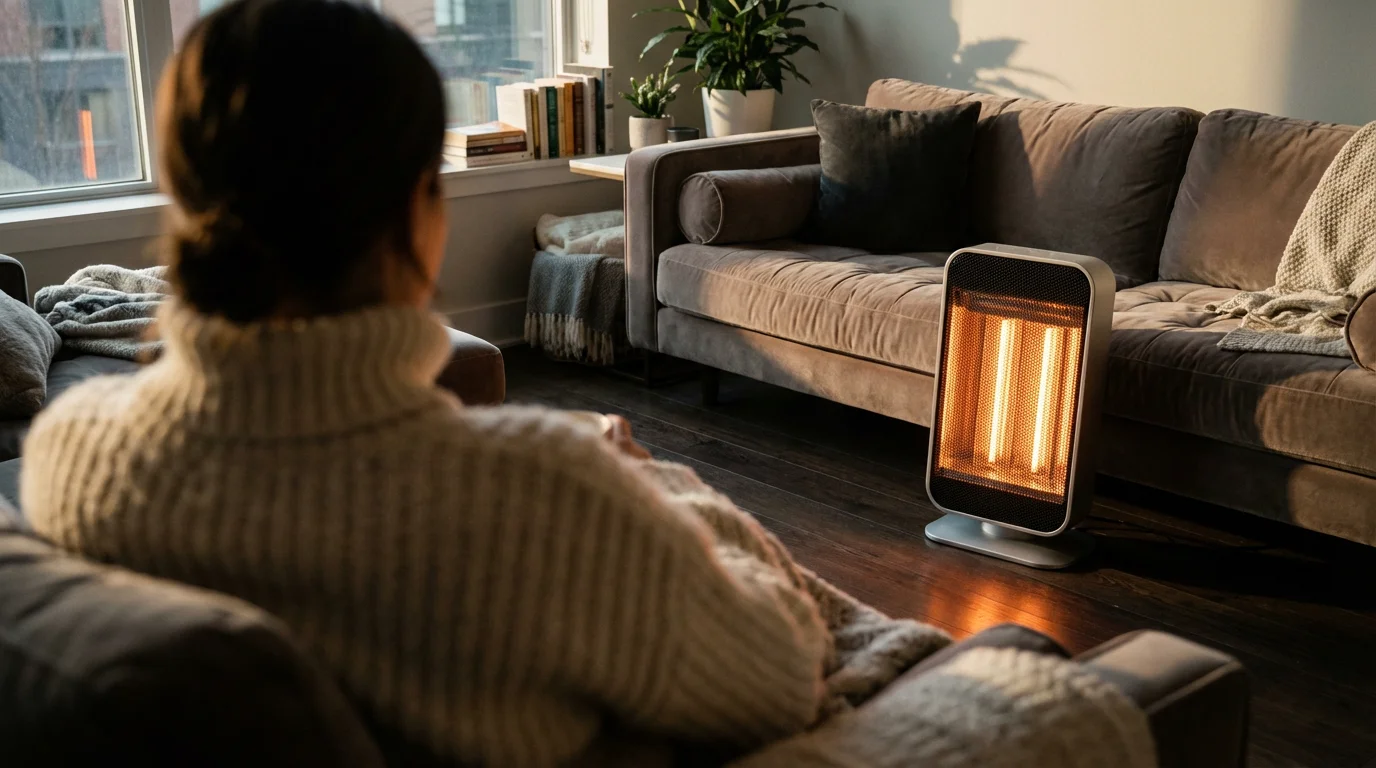
If you live in a large house but spend most of your time in the living room and bedroom, there is no need to keep the guest room or dining room at 72°F all day. Zone heating involves lowering the central thermostat and using a supplemental heat source in the room you are occupying.
Portable electric space heaters can be effective here, but the math must make sense. Electricity is generally more expensive per unit of heat than natural gas. If you turn the central gas heat down to 60°F and run a 1500-watt electric heater in the living room, you will likely save money. If you leave the central heat at 70°F and also run the space heater, you are just increasing your bill.
Safety Warning: According to Consumer Financial Protection Bureau (CFPB) resources on home safety and insurance, supplemental heating equipment is a leading cause of home fires. Never plug a space heater into an extension cord, and keep it at least three feet away from curtains, furniture, or bedding.
7. Manage Indoor Humidity
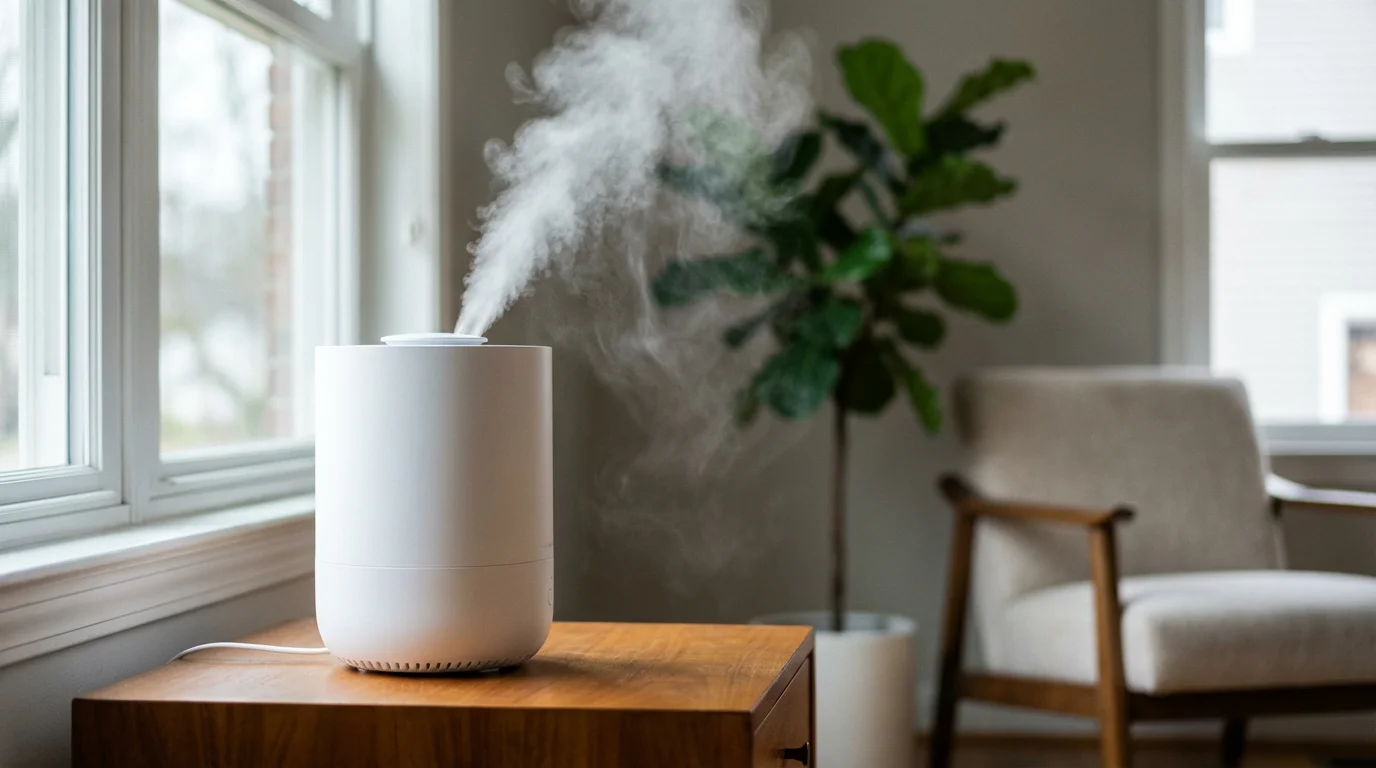
Have you ever noticed that a 90°F day in a dry desert feels cooler than a 90°F day in a humid swamp? Humidity holds heat. In the winter, the air inside your home becomes incredibly dry, which makes the air feel colder on your skin. This leads you to crank up the thermostat.
By maintaining a comfortable humidity level (between 30% and 50%), the air will feel warmer, allowing you to lower the thermostat without feeling chilly. You can add humidity by using a humidifier, placing bowls of water near heat vents, or hanging laundry to dry indoors. Houseplants also release moisture into the air, contributing to a more comfortable environment.
8. Reverse Your Ceiling Fans
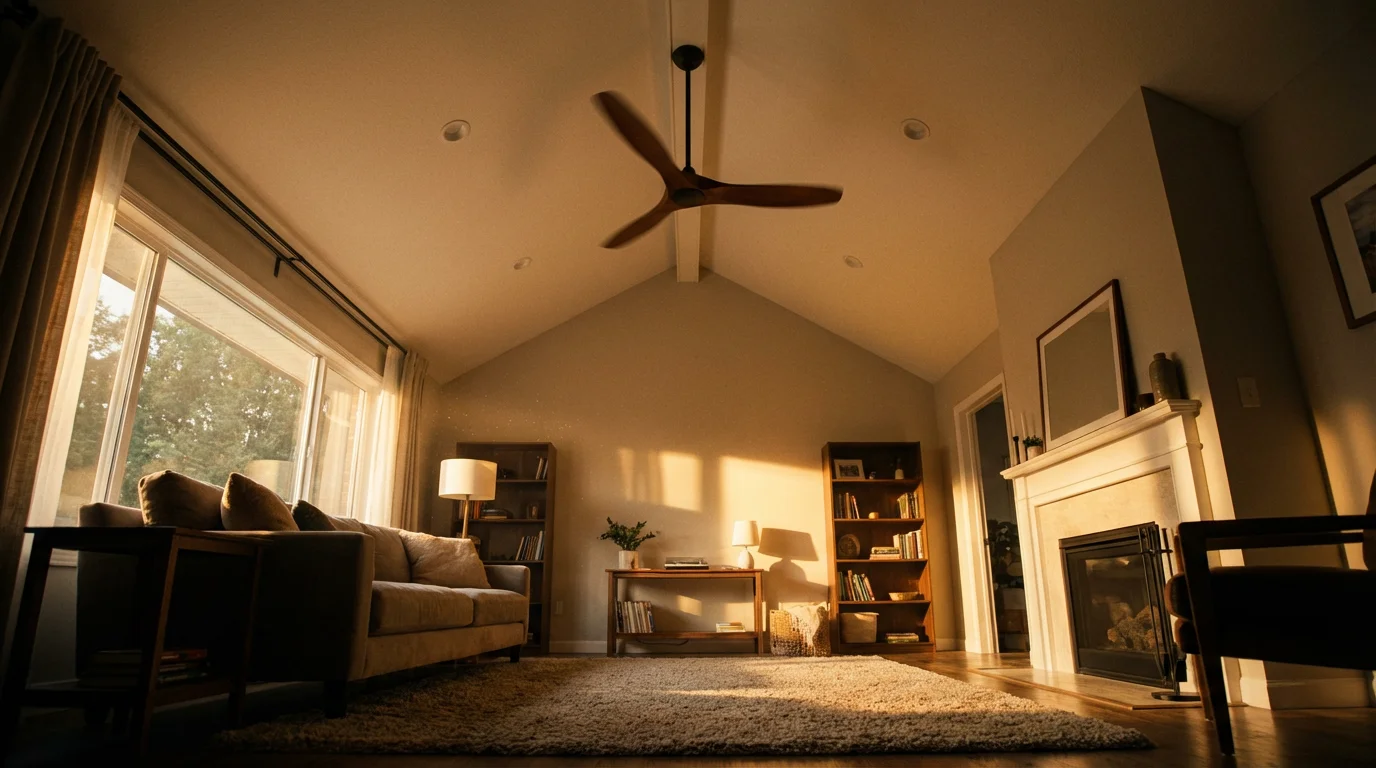
Many people think ceiling fans are only for summer cooling, but they are effective winter tools as well. Heat rises, meaning the warmest air in your room is trapped up near the ceiling where it does you no good. Most ceiling fans have a small switch on the motor housing that reverses the blade direction.
Set your fan to run clockwise at a low speed. This creates an updraft that gently pushes the warm air trapped at the ceiling out toward the walls and back down to the floor level. This recirculation makes the room feel warmer without generating any new heat.

9. Utilize Budget Billing Plans
While this tip doesn’t technically reduce the amount of energy you use, it is a vital tool for managing your cash flow. High winter heating bills can wreck a monthly budget, leading to overdraft fees or credit card debt.
Don’t forget that you can often negotiate lower bills simply by calling your utility provider and asking about current promotions or rate reductions.
Most utility companies offer “Budget Billing” or “Level Pay” plans. They average your annual usage over 12 months, so you pay the same amount every month. Your bill won’t spike in January; instead, you pay a manageable average year-round. This predictability allows you to budget effectively and avoids the financial shock of a severe cold snap.
10. Inspect and Upgrade Insulation
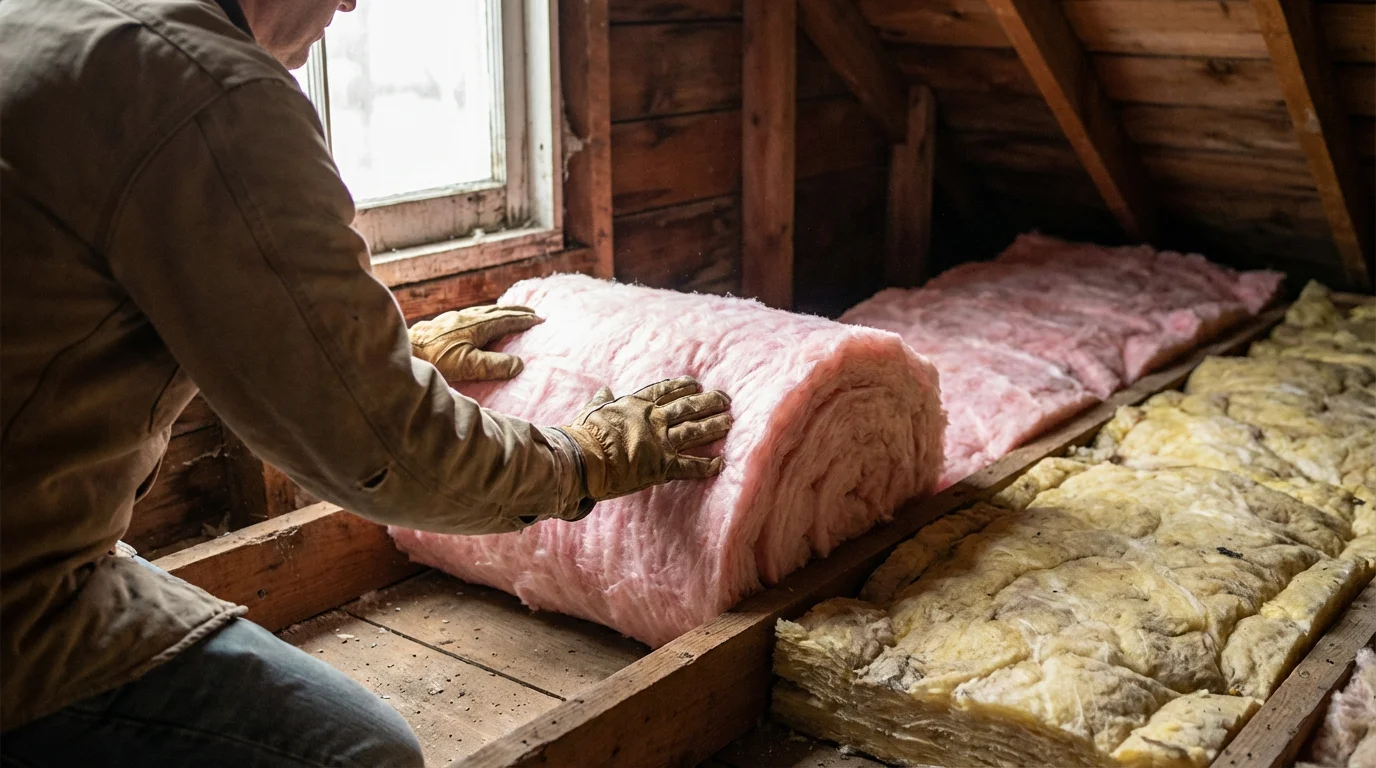
If your home was built before 1980, it is likely under-insulated by modern standards. Adding insulation to your attic is one of the most cost-effective home improvements you can make. Heat rises, and if your attic floor is poorly insulated, your furnace is essentially trying to heat the neighborhood.
According to Bankrate, upgrading insulation provides a solid return on investment by permanently lowering utility costs. While professional installation is an option, many homeowners can roll out fiberglass batting or rent a blower for loose-fill cellulose insulation themselves. Check with your local utility provider before starting; many offer substantial rebates for insulation upgrades that can cover a large percentage of the material costs.

11. Adjust Laundry and Kitchen Habits
Your appliances generate heat and use energy; utilizing them smartly contributes to overall savings.
- Wash in Cold: About 90% of the energy used by a washing machine goes toward heating the water. Switching to cold water saves that energy immediately, and modern detergents are designed to work perfectly in cold settings.
- Full Loads Only: Run your dishwasher and washing machine only when they are full. Running half-loads uses the same amount of energy for half the benefit.
- Oven Strategy: When you finish baking, leave the oven door cracked open (if safe for children and pets) to let the residual heat warm your kitchen. Conversely, avoid using the kitchen exhaust fan excessively, as it sucks warm air out of your house.
12. Explore Energy Assistance Programs
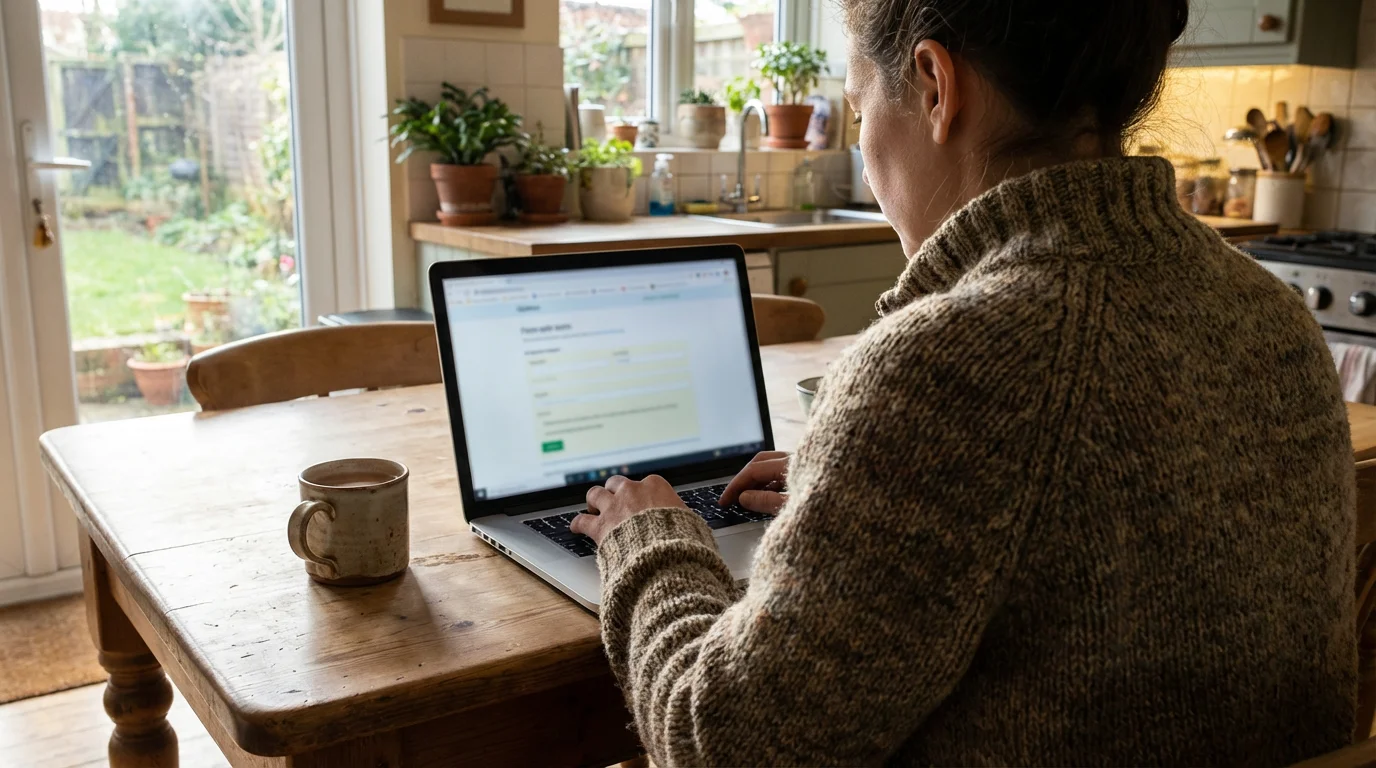
If you are already doing everything right and still cannot afford your heating costs, do not wait until your service is disconnected to seek help. There are federal and state programs designed specifically to keep families safe during the winter.
The Low Income Home Energy Assistance Program (LIHEAP) helps eligible low-income households pay for heating and cooling energy costs. According to USA.gov, these programs can also assist with energy crisis assistance, weatherization, and energy-related home repairs. Eligibility usually depends on your household size and income level.
Additionally, the Weatherization Assistance Program (WAP) provides funds to modify homes to be more energy-efficient for low-income families, reducing energy costs over the long term. Contact your local community action agency or utility provider to ask about application procedures.
Comparison: Effort vs. Savings
Not all savings methods are created equal. Use this table to decide which tactics fit your current time and budget availability.
| Strategy | Upfront Cost | Effort Level | Potential Savings |
|---|---|---|---|
| Lowering Thermostat | $0 | Low | High (up to 10%) |
| Sealing Drafts (DIY) | $20 – $50 | Medium | Medium to High |
| Attic Insulation | $300 – $1,500+ | High | Very High (Long-term) |
| Water Heater Blanket | $20 – $30 | Low | Low to Medium |
| Sunlight Management | $0 | Low | Low |

Common Pitfalls to Avoid
In the rush to save money, it is easy to make mistakes that end up costing more in the long run. Be careful to avoid these common errors.
Turning the heat off completely: When you leave for a winter vacation, do not turn the furnace off. If the interior temperature drops below freezing, your pipes can burst, causing thousands of dollars in water damage. Keep the thermostat at a minimum of 55°F.
Using the oven to heat the house: This is dangerous. Gas ovens release carbon monoxide, an odorless and deadly gas. Even electric ovens are not designed for space heating and pose a fire risk.
Closing too many vents: In a central forced-air system, closing vents in unused rooms seems logical, but closing too many (more than 20% of the total) increases pressure in the ductwork. This can cause leaks in the ducts, damage the blower motor, and actually reduce efficiency.

When to Consult a Financial Professional
While many heating cost issues can be solved with DIY methods and budgeting, there are times when you need expert guidance. If your energy bills are causing you to fall behind on other debt obligations, or if you are considering a major loan for energy improvements, professional advice is warranted.
A financial advisor can also help you identify common budgeting mistakes that might be hindering your ability to save for long-term wealth.
Proactive financial planning, such as learning how to build an emergency fund from scratch, can prevent seasonal bill spikes from turning into long-term debt cycles.
Consider seeking help in these scenarios:
- Persistent Debt Cycles: If high winter bills force you to use credit cards for basic necessities every year, a credit counselor can help you restructure your budget.
- Major Home Renovations: Before taking out a Home Equity Line of Credit (HELOC) to replace windows or a furnace, consult a financial advisor to ensure the debt makes sense for your long-term financial picture.
- Tax Credits and Rebates: If you are planning significant energy upgrades (like solar or heat pumps), consult a tax professional to understand the Inflation Reduction Act credits and how they apply to your specific tax situation.
You can find qualified assistance through the National Foundation for Credit Counseling (NFCC) or verify the credentials of financial planners through the Certified Financial Planner Board.
Frequently Asked Questions
Is it cheaper to leave the heat on all day or turn it off when I’m away?
It is almost always cheaper to turn the heat down (not off) when you are away. The fuel required to reheat the home is generally less than the fuel wasted maintaining a high temperature in an empty house all day. A programmable thermostat handles this efficiently.
Are electric space heaters cheaper than central heating?
Generally, no. Natural gas is usually cheaper per unit of heat than electricity. However, space heaters can save money if you use them for “zone heating”—heating only one small room while turning the central furnace down to 60°F or lower. If you run space heaters and central heat, you will pay more.
What temperature should I set my thermostat to in winter?
The Department of Energy suggests 68°F while you are awake and lower while you are asleep or away. Ultimately, the “right” temperature is the lowest setting your family finds comfortable. Lowering it by just one degree can save up to 1% on your bill.
When should I consult a professional about my high bills?
If your bill spikes unexpectedly without a change in weather or usage, you should call an HVAC professional immediately, as this could indicate a mechanical failure. Financially, if your bills are unmanageable, contact your utility provider’s assistance department or a credit counselor immediately.
What are the risks of sealing my house too tightly?
While rare in older homes, sealing a house too tightly can reduce ventilation, leading to moisture buildup, mold, or carbon monoxide accumulation from combustion appliances. If you do extensive air sealing, it is wise to have a professional perform a “combustion safety test” to ensure your furnace and water heater are drafting properly.
Can I get tax credits for new windows or insulation?
Yes. The federal government offers tax credits for energy-efficient home improvements, including windows, doors, insulation, and new heating systems. According to the Internal Revenue Service (IRS), these credits can cover a percentage of your costs. Always verify the specific requirements for the current tax year.
Last updated: January 2026. Information accurate as of publication date. Financial regulations, rates, and programs change frequently—verify current details with official sources.
This article was reviewed for accuracy by our editorial team.
For trusted financial guidance, visit AARP Money, National Foundation for Credit Counseling (NFCC) and FINRA Investor Education.
Important: EasyMoneyPlace.com provides educational content only. We are not licensed financial advisors, tax professionals, or registered investment advisers. This content does not constitute personalized financial, tax, or legal advice. Laws and regulations change frequently—verify current information with official sources.
Disclaimer: This article is for informational purposes only and does not constitute financial, tax, or legal advice. Individual financial situations vary, and we encourage readers to consult with qualified professionals for personalized guidance. For those experiencing financial hardship, free counseling is available through the National Foundation for Credit Counseling.








Leave a Reply