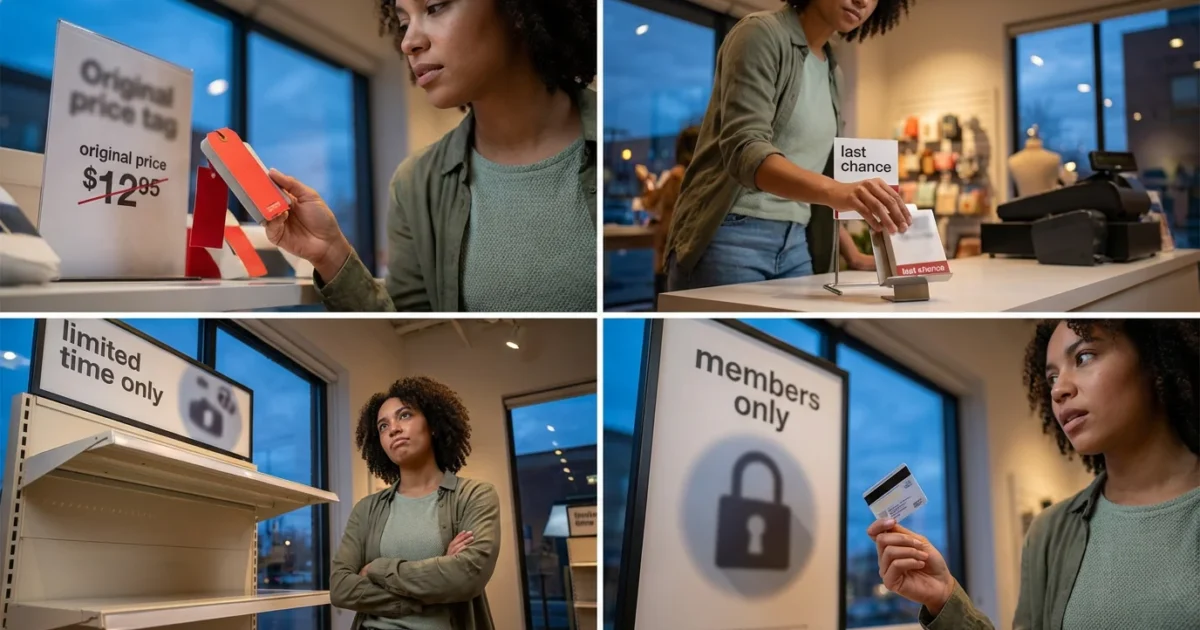
You know the feeling. You walk into a store or scroll through a website, and you see it: a pair of headphones slashed from $200 down to $99. The red tag screams “50% OFF!” Your heart beats a little faster. You feel smart, savvy, and ready to buy before the deal disappears.
But did you actually save $101? Or was that $200 price tag a fiction created to make you spend $99 on headphones worth exactly $99?
Retailers are experts in psychology. They know that the pain of paying is mitigated by the thrill of a bargain. While many sales are legitimate opportunities to save, a significant portion of “deals” are carefully engineered illusions. Understanding these tactics protects your wallet and puts you back in the driver’s seat of your financial life.

Key Takeaways
- Anchor Pricing is pervasive: Retailers often inflate an “original” price that an item never actually sold for, making the “sale” price look like a steal.
- Outlets aren’t always leftovers: Many major brands manufacture lower-quality goods specifically for outlet stores; you aren’t getting main-store quality at a discount.
- History tells the truth: Price-tracking tools and browser extensions are your best defense against artificial price spikes before holidays like Black Friday.
- Scarcity is often manufactured: Digital countdown timers and “only 2 left in stock” warnings are frequently automated scripts designed to bypass your logical decision-making.
- Math beats marketing: “Buy One, Get One 50% Off” is effectively a 25% discount, which may not be worth doubling your spending.
Audience Scope: This guide is for U.S. residents and everyday consumers looking to maximize their budget. If you have complex financial circumstances such as business procurement needs, high-volume resale operations, or significant credit card debt related to compulsive spending, we recommend consulting with a qualified financial professional.
The Anatomy of a Fake Sale: Anchor Pricing
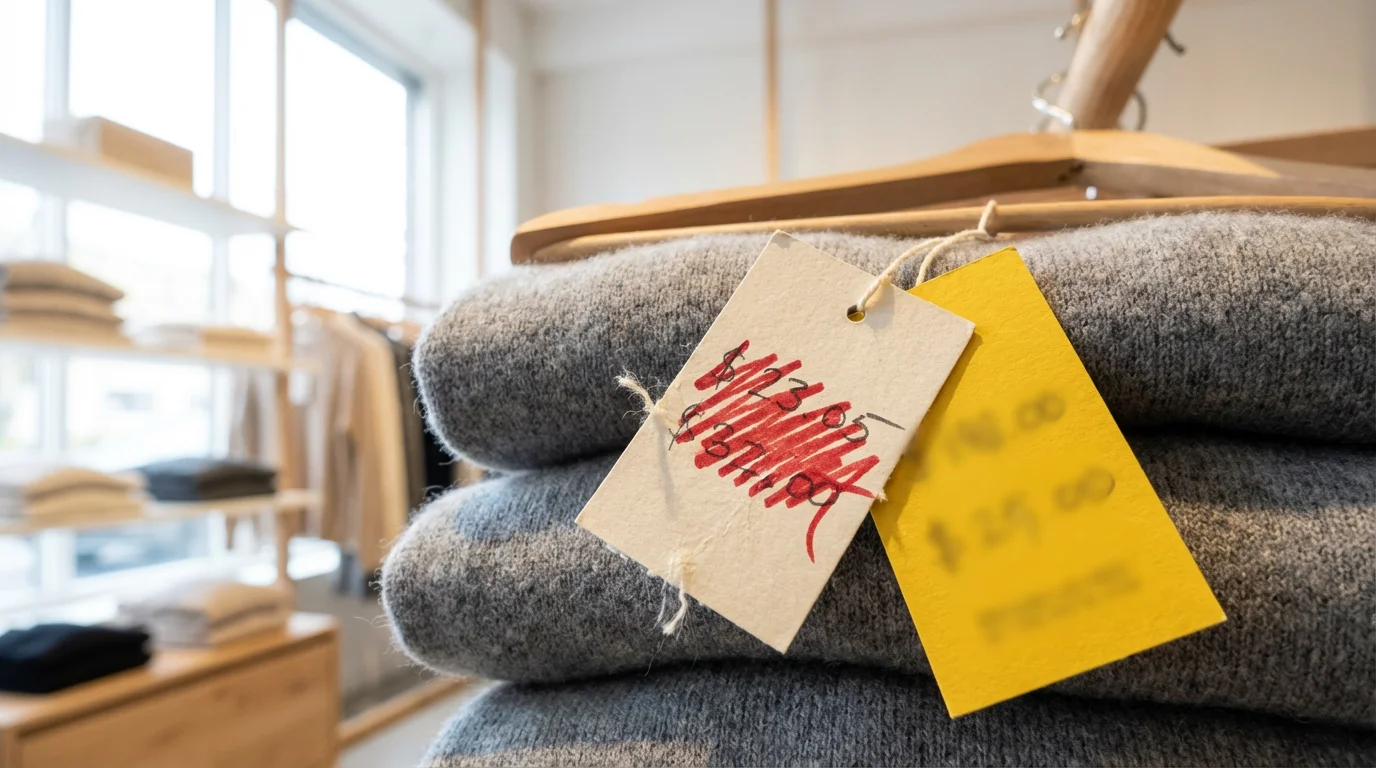
The most common tool in the retailer’s arsenal is “anchor pricing.” This occurs when a store displays a high “original” price (the anchor) next to a lower “sale” price. Your brain instinctively relies on the first piece of information it receives (the $100 tag) to judge the value of the second piece of information (the $60 tag).
In this scenario, you don’t evaluate whether the item is worth $60. You only register that you are “saving” $40. However, if that item was never actually sold at $100, or was only listed at that price for a negligible amount of time, the savings are imaginary.
The Federal Trade Commission (FTC) has guidelines regarding deceptive pricing, stating that former price comparisons must be based on actual sales or honest offers. Despite these regulations, the practice remains widespread because it works. Retailers may briefly list an item at an inflated Manufacturer’s Suggested Retail Price (MSRP) just to legally slash it days later.
High-low pricing strategies involve keeping everyday prices artificially high so the store can constantly run “sales.” If a store has a permanent “70% off” rack, that is not a sale section; that is the actual price of the merchandise, dressed up to look like a bargain.
Psychological Tricks Retailers Use
Beyond simple price tags, retailers use environmental and emotional triggers to override your logical budgeting. Recognizing these triggers is the first step to neutralizing them.
The Scarcity Principle
Fear of Missing Out (FOMO) is a powerful motivator. You have likely seen signs saying “Limited Time Only” or “While Supplies Last.” Online, this manifests as “Only 3 left in stock!” often displayed in red text. While sometimes true, this is frequently a marketing tactic to force a snap judgment. If you feel panicked to buy, step back. True emergencies rarely involve consumer goods.
Charm Pricing
The “left-digit effect” is a well-documented psychological phenomenon. A price of $19.99 feels significantly cheaper than $20.00 because your brain encodes the first digit it sees. While this is a basic trick, it remains effective. Always round up to the nearest dollar when calculating the cost in your head to strip away the charm.
The Decoy Effect
This trick is often used in subscription models or technology pricing. A company might offer:
- Option A: $30 (Basic)
- Option B: $60 (Pro)
- Option C: $65 (Pro + Premium Add-on)
Option B exists primarily to make Option C look like an incredible value. The retailer wants you to buy Option C. Without the decoy (Option B), you might have stuck with the Basic plan. With the decoy, you spend more than double your original intent because the “value” seemed too good to pass up.
“The most expensive purchase is the one you didn’t need but bought because it was on sale.”

Digital Traps: Dark Patterns and Dynamic Pricing
Online shopping removes the friction of physical cash, making it easier to overspend. E-commerce platforms utilize sophisticated data tracking to maximize how much you spend.
Beyond shopping, you can use similar scrutiny to negotiate lower monthly bills for your internet and utilities.
These digital tactics are especially prevalent during massive e-commerce events, so having a Prime Day strategy can keep your spending under control.
Learning specific Amazon hacks can help you navigate these digital traps on major platforms.
Dynamic Pricing
Dynamic pricing is an algorithmic strategy where prices fluctuate based on demand, user behavior, and demographics. Airlines are famous for this, but retailers use it too. If you visit a product page multiple times, the algorithm knows you want it. You might find the price has increased slightly, triggering you to buy “before it goes up again.”
Dark Patterns
Dark patterns are user interface designs meant to trick you. Common examples include:
- Sneak into Basket: Adding insurance or warranties to your cart by default, requiring you to manually remove them.
- Confirmshaming: Using wording like “No, I don’t want to save money” when you try to decline an email signup or discount.
- Roach Motel: Making it incredibly easy to sign up for a subscription service but requiring a phone call or convoluted process to cancel.
According to the Consumer Financial Protection Bureau (CFPB), consumers have the right to transparent financial transactions. If you notice hidden fees or subscriptions appearing on your statements that you did not explicitly authorize, you should dispute them immediately.

The Outlet Store Illusion
For decades, shoppers believed outlet stores sold “factory seconds”—items with minor cosmetic flaws—or last season’s overstock from mainline stores. Today, that is largely a myth.
Most major brands now have specific manufacturing lines dedicated solely to their outlet locations. These items are designed to look like the expensive versions but are made with cheaper fabrics, lower stitch counts, and less durable hardware. The “Compare At” price on the tag often refers to the mainline version of the product, which the outlet item was never actually sold as.
| Feature | Mainline Store Product | Outlet / Factory Store Product |
|---|---|---|
| Material Quality | Premium natural fibers (wool, silk, high-grade leather). | Synthetic blends (polyester, lower-grade bonded leather). |
| Construction | Complex stitching, lining, durable zippers. | Basic stitching, unlined, plastic zippers. |
| Tagging | Standard brand logo. | Often has a distinct mark (e.g., three dots, squares, or specific “Factory” label). |
| Price Source | Based on manufacturing cost + margin. | Based on a theoretical “Compare At” price. |
To avoid being tricked, check the internal tags. Look for words like “Factory,” or check the fabric composition. If a sweater feels thin or a leather bag feels stiff and plasticky, it is likely a made-for-outlet product. It may still be worth the price, but it is not a “steal” on a luxury item.

How to Verify if a Deal is Real
You do not have to guess whether a sale is legitimate. Data is your best ally. By using price history tools, you can see exactly what an item sold for last week, last month, and last year.
Use Price Tracking Tools
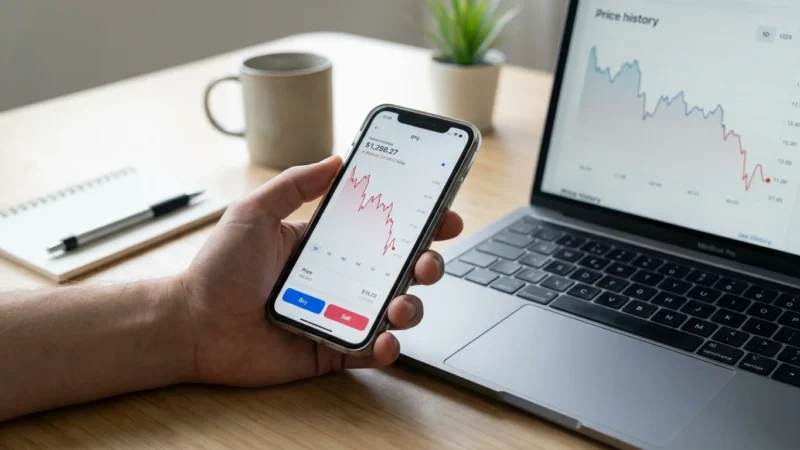
Several browser extensions and websites track the price history of products on major e-commerce sites. Before you click “Buy,” copy the URL into a tracker. You might discover that the “Black Friday Deal” is actually $20 more expensive than the price was in September.
Clear Your Cookies or Use Incognito Mode
To combat dynamic pricing, browse in “Incognito” or “Private” mode. This prevents the retailer from tracking your visit history. If you see a lower price in Incognito mode than you do when logged in, the retailer is using your data against you.
Check Model Numbers
During major sale events like Black Friday, retailers often sell “derivative models.” These are electronics (especially TVs and laptops) that look identical to top-tier models but have slightly different model numbers and inferior specs (fewer HDMI ports, older processors). Always search the specific model number to ensure reviews match the product you are buying.
Experts at Consumer Reports frequently test these holiday-specific models and often find that their performance lags behind the standard models sold the rest of the year.

The Math Behind Bundle Offers
Retailers love “Buy One, Get One” (BOGO) offers because they move inventory and increase your average transaction value. However, the math rarely works out as favorably as it feels.
BOGO 50% Off
This is the most common trap. If you buy one item for $60 and get a second one for 50% off ($30), you have spent $90 for $120 worth of merchandise.
The Real Discount: 25% off.
The Catch: You spent $90 instead of $60. If you did not need the second item, you didn’t save 25%; you overspent by $30.
Spend More to Save More
“Get $25 off when you spend $100.” This sounds appealing, but it forces you to meet a threshold. If your cart totals $80, you might add a $25 item just to get the discount. You are now spending $105 (minus $25 discount = $80) to get the same total cost, but you have purchased “clutter” you didn’t intend to buy.

Common Pitfalls to Avoid
Even when you know the tricks, it is easy to slip up. Here are the common behavioral traps that lead to regret.
Buying for the “Fantasy Self”
We often buy things for the person we want to be, not who we are. You might buy a high-end blender on sale because you imagine a future where you make smoothies every morning. If you hate waking up early, that blender will sit in a cupboard. A sale price never justifies buying a lifestyle you don’t actually live.
Confusing Value with Price
Just because something is cheap doesn’t mean it is a good value. A $10 toaster that breaks in three months is more expensive over time than a $40 toaster that lasts five years. This concept, often called the “boots theory” of socioeconomic unfairness, highlights how buying cheap goods can be expensive in the long run.
Organizations like AARP Money emphasize that for retirees and those on fixed incomes, durability often yields higher returns than initial low prices.
Ignoring Return Policies
Final Sale items are the ultimate gamble. Retailers often put their least desirable or potentially defective inventory on “Final Sale” to clear it out. If the fit is wrong or the color is off, you have simply donated your money to the store. Unless you have tried on that exact item before, avoid final sale racks.

When to Consult a Financial Professional
While spotting a fake sale is a useful skill, some spending behaviors point to deeper financial issues that cannot be solved by smart shopping alone. If you find yourself unable to resist sales to the point of financial detriment, it may be time to seek help.
- Compulsive Shopping: If you shop to manage emotions, hide purchases from family, or feel a “rush” followed by guilt, you may benefit from speaking with a therapist or a credit counselor.
- Credit Card Debt: If you are carrying balances specifically due to “sale” shopping, a non-profit credit counselor can help you create a debt management plan.
- Budgeting Struggles: If you cannot make ends meet despite a good income, a financial coach or planner can help you restructure your cash flow.
You can find accredited non-profit credit counselors through the National Foundation for Credit Counseling (NFCC). These professionals can review your finances and help you build a plan to recover from overspending.
Frequently Asked Questions
Is price matching a good way to avoid fake sales?
Yes. Price matching is one of the most effective ways to ensure you pay the true market rate. If a store refuses to match a competitor’s lower price on the exact same item, it is a strong indicator that their “sale” price is inflated. Always have the competitor’s ad or website ready on your phone at the register.
Are “Going Out of Business” sales legitimate?
Not always. When a chain goes out of business, they often hire a third-party liquidator to handle the inventory. These liquidators may actually raise prices back to the full MSRP (or higher) before applying a “discount.” You often find better deals at stable retailers than at liquidation sales until the very last days when selection is poor.
Is it illegal for stores to fake a sale price?
Technically, yes. The Federal Trade Commission (FTC) has rules against deceptive pricing. However, enforcement is difficult, and retailers use loopholes—such as selling the item at the higher price in a limited number of markets—to justify the “original” price. As a consumer, you should assume the “original” price is marketing, not fact.
What are the risks of using “Buy Now, Pay Later” (BNPL) services during sales?
BNPL services can make sale items feel free in the moment, but they encourage overspending. Returns can also be complicated, as you may have to continue paying the loan provider while waiting for the merchant to process the refund. If you miss a payment, you may face late fees or damage to your credit score.
When should I consult a professional about my spending habits?
If your shopping habits are causing arguments with your spouse, preventing you from saving for emergencies, or leading to high-interest debt, you should consult a professional. Organizations like the NFCC provide confidential counseling.
Does checking price history work for groceries?
It is more difficult for groceries due to local pricing variations, but checking unit prices (e.g., price per ounce) is the best defense. Often, the “Family Size” on sale is actually more expensive per ounce than the standard size. Always look at the shelf tag for the unit price breakdown.
Why do I see higher prices on my mobile phone than on my laptop?
Retailers may use dynamic pricing based on your device. Some data suggests that users on expensive devices (like the latest iPhone or Mac) may be shown higher prices or more expensive product recommendations because the algorithm assumes they have higher disposable income.
Last updated: January 2026. Information accurate as of publication date. Financial regulations, rates, and programs change frequently—verify current details with official sources.
This article was reviewed for accuracy by our editorial team.
For trusted financial guidance, visit
USA.gov Benefits,
National Credit Union Administration (NCUA),
AARP Money and
National Foundation for Credit Counseling (NFCC).
Important: EasyMoneyPlace.com provides educational content only. We are not licensed financial advisors, tax professionals, or registered investment advisers. This content does not constitute personalized financial, tax, or legal advice. Laws and regulations change frequently—verify current information with official sources.
Disclaimer: This article is for informational purposes only and does not constitute financial, tax, or legal advice. Individual financial situations vary, and we encourage readers to consult with qualified professionals for personalized guidance. For those experiencing financial hardship, free counseling is available through the National Foundation for Credit Counseling.






Leave a Reply